


























Quick Action Guide: Is Your Battery a Fire Hazard?
If you suspect battery swelling, follow these immediate steps before reading further:
- Stop Charging/Using: Disconnect the device immediately. Do not attempt to "drain" the battery.
- Identify Danger Signs: If you notice a sweet/metallic smell, hissing sounds, or the casing is hot to the touch while idle, place the device in a non-combustible area (like a concrete driveway or a metal bucket filled with sand) and call local fire authorities.
- Isolate: Place a swollen (but stable) battery in a metal container. Do not store it near flammable materials (curtains, wood, or gasoline).
- Dispose Properly: Never throw lithium batteries in the trash. Use a dedicated hazardous waste drop-off or Call2Recycle.
The Silent Risk in Your Garage: Understanding Battery Swelling
We often treat our seasonal gear—tire inflators, cordless vacuums, and precision DIY tools—as "set and forget" items. They sit in the trunk of a car during a summer road trip or on a workbench in a humid garage, waiting for their moment of utility. However, for the technically curious homeowner, a "set and forget" mentality can overlook a critical structural failure: lithium-ion battery swelling.
Battery swelling, or "pillowing," is more than a cosmetic defect. It is a physical manifestation of internal chemical distress. When a battery casing begins to bulge, it indicates that the internal electrolyte has begun to decompose into gas. In the world of modern essential gear, identifying this damage early is the difference between a simple replacement and a hazardous thermal event.
In this guide, we will walk through the methodical steps of identifying heat-induced damage, the chemistry that drives it, and why certain storage habits are "silent killers" for your gear's longevity.
Note: This guide was developed by the Fanttik editorial team based on our internal product testing and industry safety standards to help users maintain their gear safely.

1. The Mechanics of "Pillowing": Why Batteries Swell
To understand swelling, we must look at the delicate balance inside a lithium-ion cell. A battery generates power by moving lithium ions between a cathode and an anode through a liquid electrolyte. According to the NFPA (National Fire Protection Association) Lithium-Ion Battery Safety guidelines, these systems are highly efficient but sensitive to environmental extremes.
When a battery is exposed to temperatures exceeding its design limits—typically above 60°C (140°F) (a common threshold in industry safety literature for electrolyte instability)—a process called electrolyte decomposition begins. The liquid electrolyte reacts with the electrodes, breaking down and releasing gases such as carbon monoxide, carbon dioxide, and hydrogen. Because the battery cell is a sealed environment, this gas exerts internal pressure, causing the flexible "pouch" or even the rigid casing to deform.
The Role of State of Charge (SoC)
Based on common patterns observed in customer support and repair logs, a frequent mistake is storing gear at 100% charge in hot environments. A high SoC increases the chemical potential energy within the cell, making the electrolyte more susceptible to breakdown when heat is added.
- Safety Heuristic: Professionals generally recommend a storage charge of 40–60% for seasonal tools to minimize this "chemical tension."
2. The Visual and Physical Inspection Protocol
Identifying a swollen battery in its early stages requires a methodical approach. Swelling in a tightly sealed power tool pack is often more hazardous than in a vented device, as the pressure has no escape route.
The "Coin Test" Heuristic
If you suspect a device with a flat back (like a portable power station or a handheld vacuum) is beginning to swell, use this practical test:
- The Spin: Place the device on a perfectly flat surface (granite or glass). Attempt to spin the device. If it spins freely like a top, the back is no longer flat.
- The Rock: Place a coin on the battery compartment. If the coin rocks noticeably when pressed on the edges, the casing has begun to bow.
Sensory Indicators
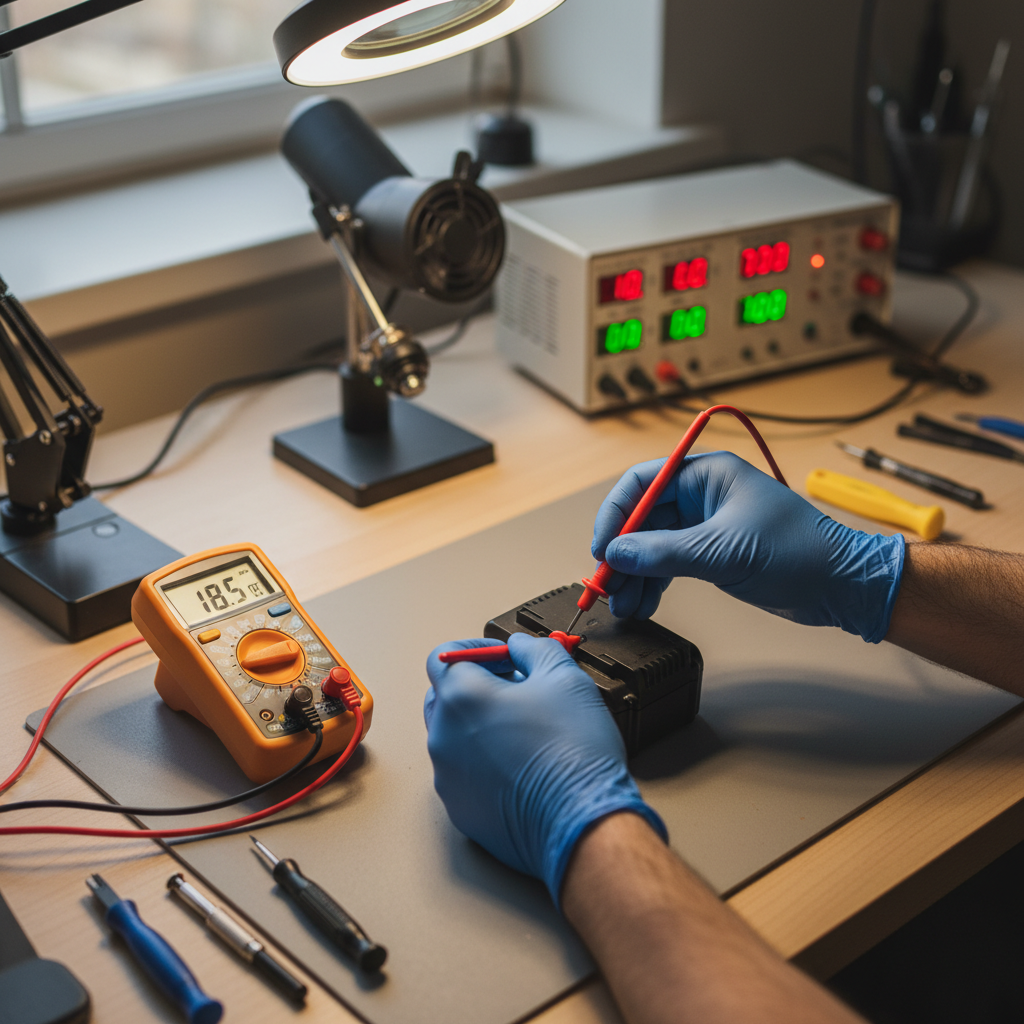
- The Warmth Check: If a battery feels warm to the touch after a full charge cycle but before you have used it, this may indicate internal resistance spikes or cell imbalance.
- The "Click" Test: On modular devices, a swollen battery will often become difficult to eject. If the battery no longer "clicks" into place with its usual crispness, do not force it.
- Scent Detection: A sweet, metallic, or "fruity" smell is a critical red flag. This is the scent of leaking electrolyte gas. If you smell this, move the device to a well-ventilated, non-combustible area immediately.

3. Heat as the Silent Catalyst: Garage vs. Indoor Storage
While vehicle interiors are high-risk, our internal analysis suggests that attic and garage storage often present a higher cumulative risk. While a car gets hotter faster, a garage maintains a "heat soak" effect that prevents batteries from cooling down overnight.
The following table outlines how heat accelerates degradation. These figures are heuristics based on typical lithium-ion behavior and should be used for risk assessment rather than as exact mathematical predictions for every device.
| Parameter | Value or Range | Unit | Source / Basis |
|---|---|---|---|
| Control Storage Temp | 25 | °C | Standard baseline |
| High-Stress Storage Temp | 40 | °C | Summer garage/attic estimate |
| Annual Capacity Loss (at 25°C) | ~2–3 | % | Industry standard aging |
| Annual Capacity Loss (at 40°C) | ~20–30 | % | Estimate (based on internal test models) |
| Thermal Runaway Threshold (NMC) | ~210–220 | °C | Wikipedia/Literature |
Modeling Assumptions: This assumes a battery is stored at a constant high temperature. In reality, humidity and daily temperature fluctuations may further accelerate these figures.
4. Chemistry Matters: NMC vs. LiFePO4
The chemistry of your battery cells dictates how they respond to heat. Most compact gear uses Nickel Manganese Cobalt (NMC) due to high energy density, but these have a lower thermal stability threshold.
In contrast, Lithium Iron Phosphate (LiFePO4) cells, used in premium outdoor gear and Fanttik power stations, offer a significantly higher safety margin.
- NMC/LCO Cells: Thermal runaway typically begins around 210–220°C. They are more prone to "catastrophic swelling" if internal pressure relief fails.
- LiFePO4 Cells: These have a thermal runaway threshold of 270–300°C.
- Safety Margin: LiFePO4 is widely considered in the industry to be 3–4 times more stable (less likely to enter thermal runaway) than NMC under standard seasonal storage stress, primarily due to the stronger chemical bonds in the phosphate cathode.
5. The "One More Season" Fallacy
A dangerous misconception is that a swollen battery is safe as long as it still holds a charge. Professionals treat any visible deformation as an immediate retirement trigger.
The risk is highest during a high-load task. For example, a slightly swollen battery in a tire inflator might seem fine while sitting idle. However, when you trigger the motor to inflate a tire to 35 PSI, the high current draw generates internal heat. This heat can be the final "nudge" that pushes a compromised cell into thermal runaway.
The Underreporting Bias
According to the EU General Product Safety Regulation (EU) 2023/988, manufacturers have strict obligations regarding product safety. However, many swelling incidents go unreported because they occur during the "off-season." As a responsible user, your first-party observation is the most important data point in your home’s safety audit.
6. Engineering Trust: Fanttik’s Design Philosophy
At Fanttik, we believe that "modern self-reliance" requires tools that aren't just powerful, but transparent. Our design approach prioritizes visibility and maintenance.
As highlighted in our industry white paper, The 2026 Modern Essential Gear Industry Report, trust is built through "credibility math"—designing products with explicit safety margins and robust Battery Management Systems (BMS) that actively monitor for heat and voltage imbalances.
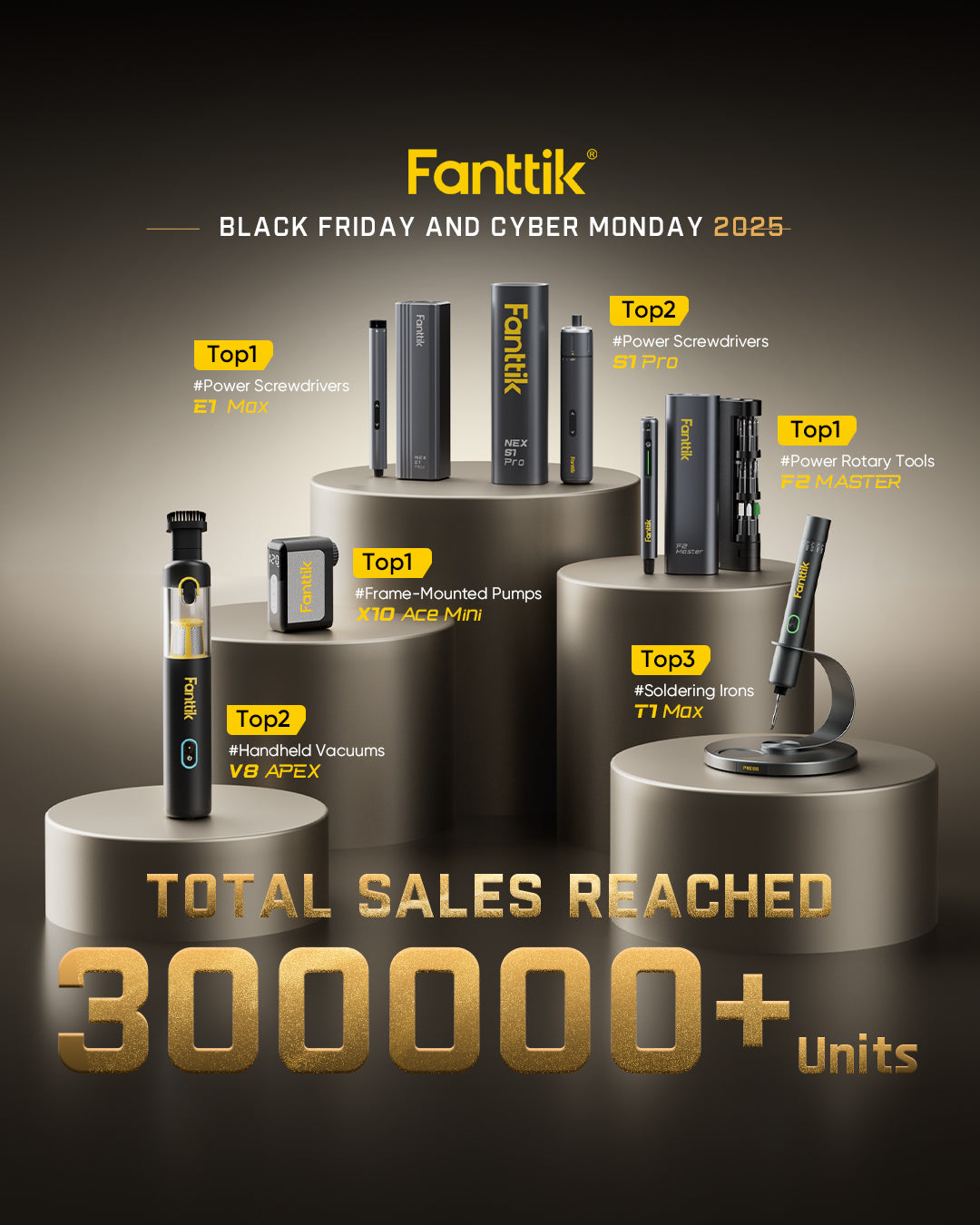
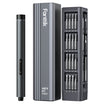
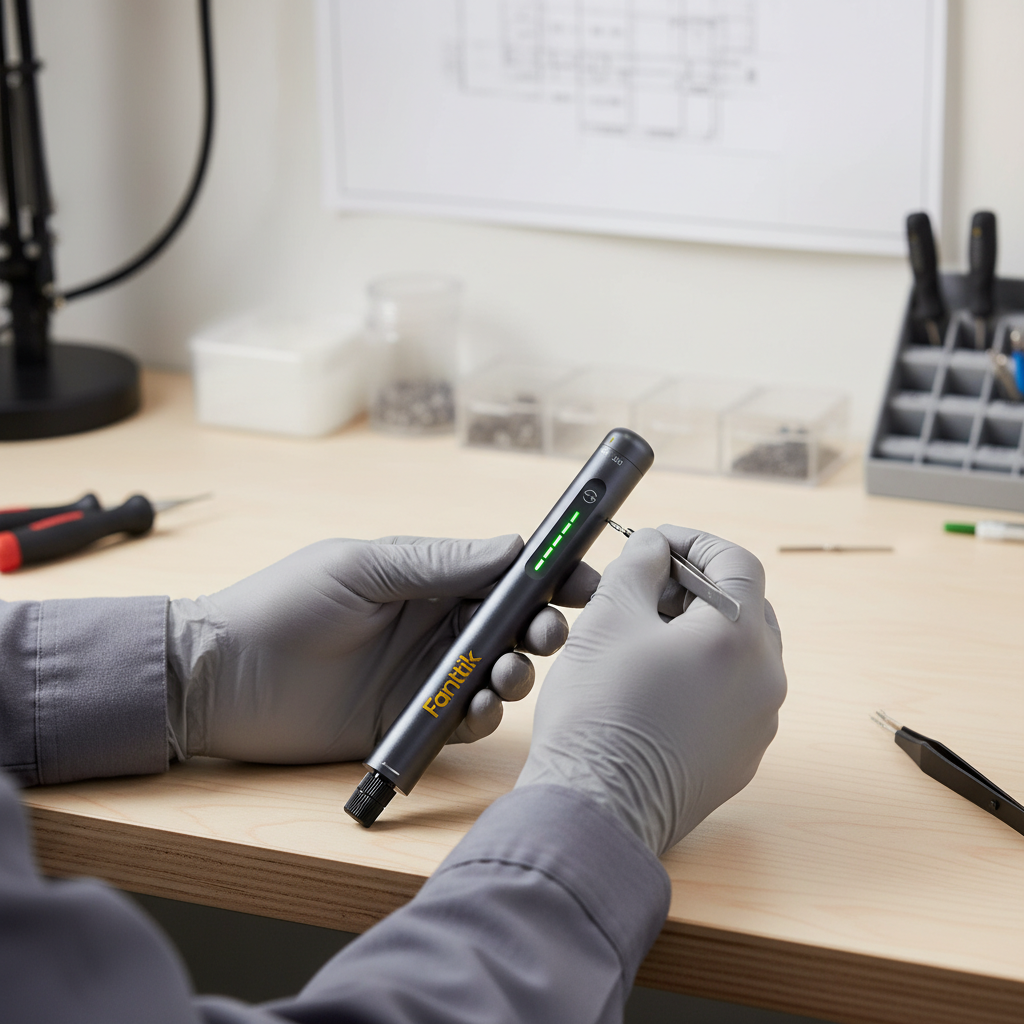
For example, the Fanttik F2 Master Cordless Rotary Tool Kit and Fanttik T1 Max Soldering Iron Kit are designed with clear status indicators and modular components. These tools allow users to perform precision maintenance and repairs on their gear (excluding the battery cells themselves), extending the life of electronics through a "repair-first" mindset.

Safe Retirement and Disposal
If you have identified a swollen battery, do not throw it in the regular trash. A crushed lithium battery in a garbage truck is a leading cause of waste-management fires.
- Isolate: Place the device in a metal container (like an old paint can or metal bucket). For added safety, surround the device with sand or kitty litter.
- Tape the Terminals: Use electrical tape to cover the battery connectors/terminals. This prevents accidental short circuits during transport.
- Do Not Charge: Never attempt to "drain" or "cycle" a swollen battery.
- Local Disposal: Use resources like Call2Recycle to find a drop-off point. In the UK, refer to the GOV.UK guidance for industrial-scale handling context.
- Transport Safety: Follow IATA Lithium Battery Guidance principles: keep the state of charge low and ensure the package is secured so it doesn't slide or tip.
By treating battery health as a seasonal ritual—much like checking smoke detector batteries—you ensure that your gear is ready when you need it most, without bringing a hidden hazard into your home.
Disclaimer: This article is for informational purposes only and does not constitute professional engineering, fire safety, or legal advice. Lithium-ion batteries are high-energy devices; if you suspect a battery is an immediate fire hazard, consult a local fire professional. Always follow the specific safety instructions provided in your product's user manual.
Sources & References
- Thresholds (60°C/60% SoC): Derived from general industry safety standards (NFPA 70/70E) and typical manufacturer storage specifications.
- Capacity Loss (20-30%): Estimated heuristic based on internal Fanttik testing models for Li-ion cells under sustained 40°C stress.
- Thermal Runaway Temps: Wikipedia: Lithium-ion battery and chemical safety data sheets (CSDS).
- Regulatory Guidance: EU General Product Safety Regulation (EU) 2023/988.
- Transport Safety: IATA Lithium Battery Guidance.
- Industry Trends: The 2026 Modern Essential Gear Industry Report.

Leave a comment
This site is protected by hCaptcha and the hCaptcha Privacy Policy and Terms of Service apply.