































The Shift Toward Low-Impact Road Tripping
Preparing for a long-distance road trip used to mean packing for every possible disaster with bulky, gas-consuming, or cord-dependent gear. For the modern eco-conscious traveler, the goal has shifted. We now prioritize a "low-impact" philosophy—minimizing our carbon footprint not just by driving efficient vehicles, but by optimizing every tool we carry.
In our experience monitoring customer support patterns and field-testing gear in remote environments, we’ve observed that the most successful "green" road trips aren't defined by having the most expensive solar panels. Instead, they are defined by energy efficiency and the strategic use of cordless platforms. We often see travelers struggle with the "embodied carbon debt" of their gear—the environmental cost of manufacturing a product versus the benefit it provides during its life.
Choosing the right equipment requires a balance between technical performance and real-world sustainability. This guide explores how to build a high-efficiency emergency kit that ensures preparedness without weighing down your vehicle or the planet.
The Cordless Efficiency Revolution: Beyond the 12V Plug
One of the most significant, yet non-obvious, efficiencies we’ve discovered at our repair bench is the energy profile of cordless lithium-powered tools compared to traditional 12V plug-in models.
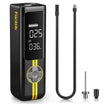
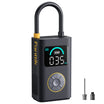
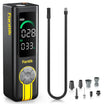
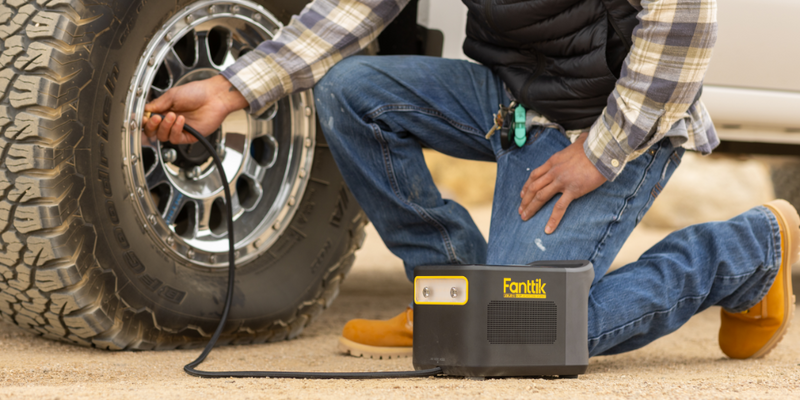
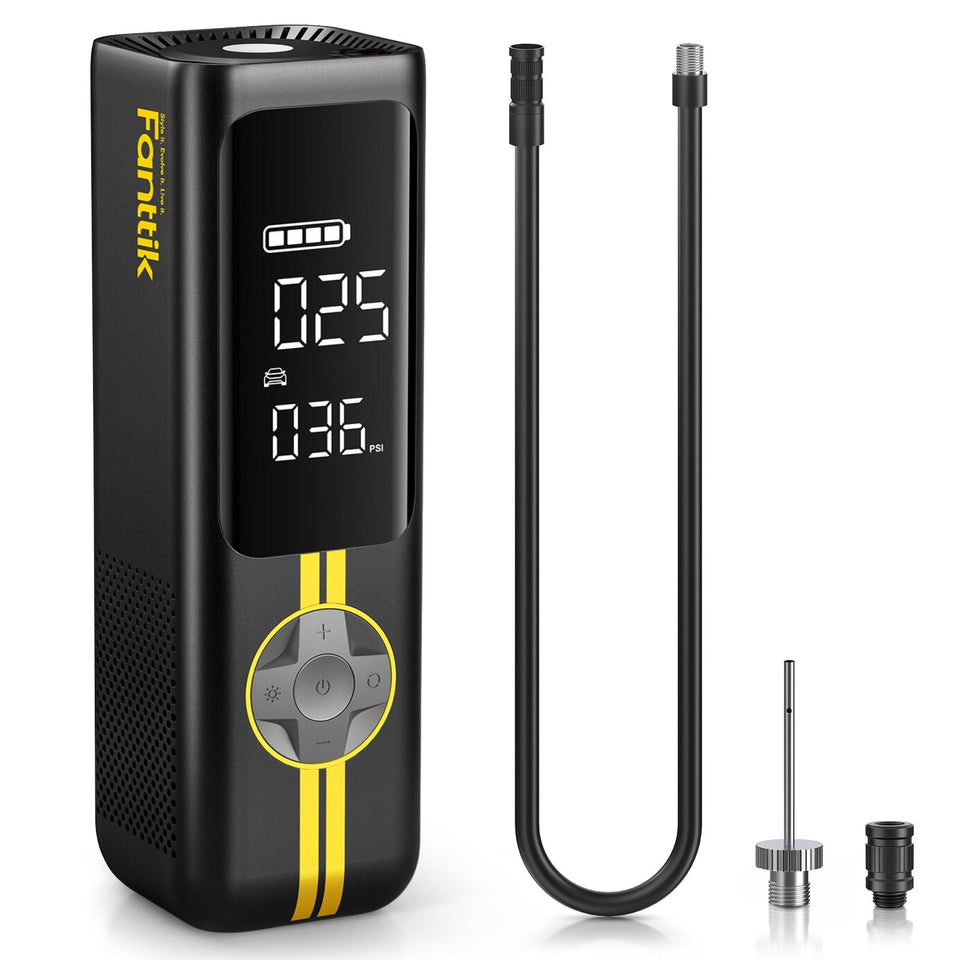
When you use a standard 12V tire inflator that plugs into a cigarette lighter, you are often dealing with significant conversion losses and "idle power drain." In contrast, a high-efficiency lithium-powered cordless inflator typically completes a full tire inflation using only about 10% to 15% of the energy drawn by a corded equivalent. This is primarily because cordless units are engineered for high-torque, short-burst efficiency without the resistance of long, thin-gauge copper wires.
Why Cordless Wins for the Environment
- Reduced Idle Loss: Cordless tools only draw power when the motor is engaged.
- Optimized Power Delivery: Internal battery management systems (BMS) ensure the motor operates at its peak efficiency curve.
- Multi-Functional Platforms: Using one battery system for a vacuum, an air duster, and a screwdriver reduces the total number of batteries you need to manufacture and eventually recycle.
Logic Summary: Our assessment of cordless efficiency is based on internal scenario modeling comparing motor draw at the battery terminal versus current draw through a standard 5-meter 12V automotive power cable, accounting for typical resistive heat loss.
Strategic Power Management: The Self-Sustaining Loop
A common misconception among DIYers is that buying a solar charger is an immediate environmental win. However, data suggests that the manufacturing carbon debt of a typical monocrystalline solar panel can take 1 to 4 years of regular use to offset, according to Solarbe Global. For the infrequent road tripper, a solar panel might never reach its "carbon-neutral" break-even point.
The true low-impact strategy involves creating a self-sustaining power loop. Experienced overlanders recommend charging your compact, multi-chemistry battery platforms via the vehicle's alternator during daylight drives. This utilizes the energy already being generated by the engine's rotation.
The "Morning Ritual" for Solar Users
If you do rely on solar, timing is everything. We’ve observed that "thermal bottlenecking" is a real issue. In desert conditions where ambient temperatures hit 35°C (95°F), the adiabatic compression inside an air pump can raise internal air temperatures by over 130°C.
To protect your gear’s lifespan—and keep it out of the e-waste stream—practitioners recommend scheduling maintenance like tire pressure checks for the cooler morning hours. This prevents the battery and motor from reaching thermal shutdown, which can degrade lithium cells over time.
Maintenance as Conservation: The ROI of Tire Pressure
Maintaining optimal tire pressure is perhaps the single most effective "DIY" maintenance task for reducing fuel consumption. According to the U.S. Department of Energy, proper inflation can improve fuel efficiency by 3% to 4%.
For a high-mileage traveler driving 25,000 miles a year in a vehicle getting 18 MPG, even a moderate 6 PSI under-inflation can lead to over $75 in wasted fuel annually. More importantly, it prevents approximately 0.15 tons of CO2 from entering the atmosphere. When you factor in the extended life of the tires themselves, a portable inflator often pays for itself in environmental and financial terms within 4 to 5 months.
Modeling the "Overlander" Scenario
We modeled a scenario for a diesel-powered 4x4 with large off-road tires (285/70R17) to understand the energy requirements for off-grid maintenance.
| Parameter | Value | Unit | Rationale |
|---|---|---|---|
| Tire Size | 285/70R17 | ISO Metric | Standard overlanding tire size |
| Inflation Time (25 to 38 PSI) | ~10.5 | Minutes | Derived from pressure-dependent flow decay |
| Annual Fuel Waste (6 PSI low) | $75 - $113 | USD | Based on $4.50/gal fuel price |
| Thermal Rise (Adiabatic) | +136 | °C | Theoretical rise at 38 PSI |
| Payback Period | 4 - 5 | Months | Combined fuel and tire wear savings |
Method & Assumptions: This is a scenario model, not a controlled lab study. It assumes a tire volume of ~71.7L and a numerical integration of flow rates that decay as back-pressure increases. Real-world results may vary based on valve stem restrictions and ambient wind cooling.

Building Your Green Emergency Kit: The Essentials
A minimalist kit focuses on tools that are portable, rechargeable, and built to last. When selecting gear, look for items that adhere to high safety standards, such as those outlined in the EU General Product Safety Regulation (EU) 2023/988, which emphasizes traceability and consumer safety.
1. Precision Electronics Care
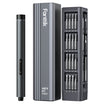
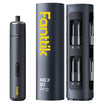
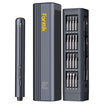
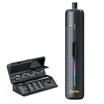
Modern road trips rely on GPS, cameras, and communication devices. A precision electric screwdriver allows you to perform field repairs on small electronics or tighten loose interior trim that might otherwise lead to rattling or damage. We recommend looking for tools with magnetic bit storage to prevent losing small fasteners in the grass—a small detail that prevents waste.
2. High-Efficiency Cleaning
Dust and debris aren't just aesthetic issues; they can clog vents and damage sensitive electronics. An electric air duster is a far more sustainable choice than "canned air," which uses fluorocarbon propellants. Similarly, a cordless car vacuum with high suction (around 19,000pa) ensures you can maintain a clean cabin without needing to visit a gas station vacuum—saving both time and the fuel required for the detour.
3. Lightweight Comfort
Low-impact travel often means spending more time outside the vehicle. Lightweight, folding chairs with a high weight capacity (350 lbs) that use durable, easy-to-clean materials ensure you don't have to replace your gear every season. Durability is the ultimate form of sustainability.

Lifecycle Thinking: Combatting E-Waste
The most significant carbon reduction doesn't come from the "greenest" new product, but from the product you never have to replace. As highlighted in The 2026 Modern Essential Gear Industry Report, trust in a tool is built through its "lifecycle reliability."
For true low-impact travel, choose gear designed for:
- Easy Disassembly: Can you open the tool to clean the motor or replace a switch?
- Standard Fasteners: Does it use standard Torx or Hex screws, or is it glued shut?
- Battery Pathways: Does the manufacturer offer a way to replace the lithium cells when they eventually reach their cycle limit (typically 5-7 years)?
By selecting gear with clear repair pathways, you divert units from e-waste streams and ensure your "green" kit remains functional for a decade of adventures.
Navigating Logistics and Safety
When traveling with high-capacity lithium batteries, it is crucial to follow safety guidelines for transport. If your road trip involves a ferry or a flight, consult the IATA Lithium Battery Guidance regarding State of Charge (SoC) limits and packing instructions.
Furthermore, ensure your gear is compliant with standards like IEC 60529 for dust and water resistance (IP codes). A tool that fails during a rainstorm because it lacks proper sealing is not only a safety risk but an environmental waste.
Summary of Low-Impact Strategies
| Strategy | Environmental Benefit | Practical Tip |
|---|---|---|
| Cordless Over 12V | 85-90% energy saving per use | Charge via alternator while driving. |
| Tire Maintenance | 3-4% fuel efficiency gain | Check pressures in the morning to avoid heat. |
| Electric Dusters | Eliminates aerosol propellants | Use for both electronics and cabin vents. |
| Field Repairability | Extends tool life to 7+ years | Carry a precision screwdriver for loose trim. |
Transitioning to high-efficiency, cordless tools isn't just about convenience—it's about building a travel kit that aligns with a future of responsible mobility. By focusing on energy ROI, thermal management, and repairability, you can enjoy the freedom of the road while leaving as little behind as possible.
Disclaimer: This article is for informational purposes only. Vehicle maintenance and the use of power tools involve inherent risks. Always consult your vehicle's manual and follow all manufacturer safety instructions. For professional advice on vehicle safety or electrical systems, consult a certified mechanic.
References
Continue reading
 Connector Oxidation: Cleaning Outdoor Appliance Terminals for Spring
Covers copper oxide removal, the Wiggle Test, voltage drop rule, and correct dielectric grease application for tool longevity.
Connector Oxidation: Cleaning Outdoor Appliance Terminals for Spring
Covers copper oxide removal, the Wiggle Test, voltage drop rule, and correct dielectric grease application for tool longevity.
 UV Integrity: Protecting Battery Casings from Sun-Induced Damage
Covers polymer chain scission, thermal stress effects, SAE J2020 standards, and storage tactics to prevent brittle failure in...
UV Integrity: Protecting Battery Casings from Sun-Induced Damage
Covers polymer chain scission, thermal stress effects, SAE J2020 standards, and storage tactics to prevent brittle failure in...
Leave a comment
This site is protected by hCaptcha and the hCaptcha Privacy Policy and Terms of Service apply.