











































Good camp coffee cleanup starts with two jobs. First, get the used grounds and rinse water into containers. Second, take each one only where your campground or land manager says it should go.
Cleaning the portable coffee machine itself is a different job. For that part, follow the instructions for your exact model, not general campsite tips.

How to Handle Grounds and Rinse Water at Your Campsite
Hold both waste streams in containers until you know the site's approved route for each. Then follow that route. Don't borrow another campground's rule.
- Contain the grounds right away. Knock or scrape the used grounds into a lidded container or a sealable bag. Keep them off the ground and off the picnic table.
- Catch the rinse water. Pour leftover brew water and rinse water into a basin or jug. Don't dump it at the site while you're still unsure.
- Check the site's directions. Read the campground regulations, the posted signs, or the reservation details. Note which facilities count as approved, such as trash cans, dumpsters, or utility sinks.
- Ask if the rules aren't clear. If the written directions don't say where solids and dishwater go, ask the campground host, the ranger, or the land manager before you dispose of anything.
- Treat solids and water as separate streams. Some sites send food solids to one place and wastewater to another. Send each one to the destination the rules name for it.

Here is one local example of separate destinations. The Shenandoah campground dishwater directions tell campers to wash dishes in a basin at the campsite, not in restrooms, drinking fountains, or at water spigots. Campers then strain the dishwater, put the food particles in a trash can, and pour the strained water into the restroom utility sinks. That procedure applies to Shenandoah National Park campgrounds. It is not a national rule for coffee rinse water.
Some sites give you a general requirement and no step-by-step route. The Watchman Campground waste rule in Zion says all food and waste must be properly stored or disposed of. That rule doesn't name a destination for coffee grounds or rinse water. In that situation, keep both contained and ask staff which facility to use.
Until you have an answer, put the sealed grounds in your food storage with the rest of your trash. You can pack them out if you never find an approved spot on-site.
How to Clean the Portable Coffee Machine
Clean the brewer according to its own manual. Campsite rules tell you where waste goes. They don't tell you how to care for your machine.
Portable brewers differ a lot. Some parts may come off and some may not. The same goes for rinsing under water, full immersion, and which liquids are allowed. Different models carry different rules, so never assume another camper's routine or another brewer's limits apply to your machine.
Keep the manual's cleaning section with your camp kitchen kit. A photo or saved PDF on your phone works too. If the manual says to clean a part at home, empty it at camp, pack it dry, and finish the cleaning once you're back.
FAQs
Can I bury or scatter used coffee grounds at camp?
Only if the campground or land manager allows it. The sources here don't approve burying or scattering grounds anywhere. Keep them sealed and use the disposal route the site names, or pack them out.
What should I bring to make camp coffee cleanup easier?
Bring a lidded container or sealable bag for grounds, a basin or jug for rinse water, and a strainer in case the site asks you to separate solids from water. Add paper towels and a trash bag so everything packs out cleanly.
Is it okay to rinse my brewer at a water spigot or drinking fountain?
Not by default. Shenandoah, for example, specifically prohibits washing dishes at water spigots, drinking fountains, or in restrooms. Check your own site's rules before using any shared water source for washing.
What if my campsite has no sinks or trash service?
Then pack out what you brought in. Seal the grounds, carry the rinse water in a container, and ask the land manager where wastewater is allowed. Don't guess based on another site's rules.
Continue reading
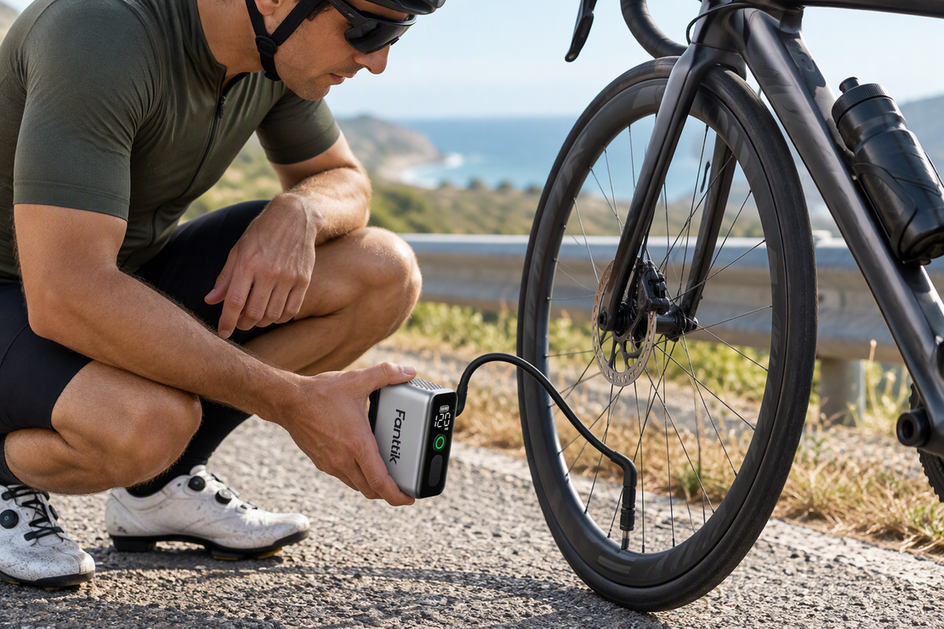 How to Choose a Bike Pump for a Long Ride With Few Stops
Mini pump, frame pump, or CO2? Compare carry size, pumping speed, and reuse, match the pump to your...
 Rotary Tool or Power Drill for Small Holes: Which Fits the Job?
Why a power drill is the practical starting point for ordinary small holes, when a rotary tool can...
Leave a comment
This site is protected by hCaptcha and the hCaptcha Privacy Policy and Terms of Service apply.