








































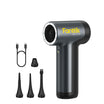



Use a microfiber towel for water sitting on open panels like the hood, roof, and doors. Use a blower for water trapped in panel gaps, trim, mirrors, lights, and lug nuts, where a towel can't fully reach. If water is left in both kinds of places after the rinse, use both.

Neither tool wins every time. Among car drying methods, the right pick comes down to where the water sits once you put the hose down and whether any loose grit could still be on the car or your tools.
Which Should You Use: a Blower, a Towel, or Both?
Match the tool to where the water sits, not to which tool seems more advanced. Detailed Image's washing guide says to dry using a clean drying towel and/or a blower, so one tool alone or both together can be the right call.
When Does a Blower Fit the Remaining Water?
A blower fits when water is hiding in places a towel can't fully get into. The same Detailed Image guide suggests using a blower on panel gaps, trim pieces, lug nuts, the area between mirrors, glass, and lights "to stop any dripping." Car Wash Country's drying guide gives similar advice: blow water out of mirrors, trim, and crevices.
Here's why that matters. A towel only dries the surface it touches. Water inside a mirror housing or a trim seam stays there and runs out later, often across a panel you already dried. Air pushes that water out without you jamming a towel edge into a tight seam.
A blower has a limit, though. The Car Wash Country guide notes that air dryers won't prevent hard-water spots on their own. So a blower handles the seams well, but it doesn't make a finishing towel unnecessary. This advice is about an air tool you aim at the car. If that tool is a leaf blower, it needs extra prep, which is covered in the next section.
When Does a Microfiber Towel Fit the Remaining Water?
A microfiber towel fits the broad, open surfaces: the roof, hood, trunk lid, doors, and glass. These are areas you can reach flat with the towel, and it soaks up water directly instead of pushing it around.
How you use the towel matters as much as which towel you use. Detailed Image advises that you lightly drag or blot the towel across the surface and avoid pressing hard, using extra pressure, or wiping aggressively. Car Wash Country describes the same light touch: gently blot or glide to absorb the water. In practice, let the towel's weight and fibers do the work. Don't scrub. If a spot isn't drying, make another light pass rather than pushing down harder.
A towel's limit is reach. It can't clear water sitting deep in seams, behind mirror glass, or inside grille openings. That water stays put until it drips out.
Using both closes that gap. Car Wash Country's routine dries the panels with a microfiber towel first, then uses air in tight areas. Here's an illustrative example. You rinse a sedan in your driveway, towel the roof, hood, and doors, then blow out the mirror housings, trim, and wheels. If a thin line of drips shows up under a mirror afterward, one light blot with the towel takes care of it.

What to Prepare Before Drying
Drying works best on a car that's already clean, with tools that are clean too. Anything left on the paint or caught in a towel gets dragged across the surface during the first wipe. Do these things before you start drying:
- Finish the wash and rinse completely. The Car Wash Country guide says to make sure the car is fully washed and rinsed before drying. If you can still see suds, film, or dirt on the lower panels, rinse again before any towel touches the car. If you rinse with a pressure washer, the right pressure washer car wash attachments make that final rinse easier to control.
- Start with a clean drying towel. Detailed Image calls for a clean, high-quality drying towel. If your towel has fallen on the driveway or picked up grit, put it aside and use a fresh one.
- Pick your air tool with ground debris in mind. Car Wash Country recommends a handheld dryer over a leaf blower because a leaf blower can kick up debris from the ground. If a leaf blower is your only option, stay aware of what it might stir up from the driveway or lawn around the car.
FAQs
Do I need a blower if I already own a good drying towel?
No. Detailed Image presents a towel and a blower as an either/or-both choice, so a towel alone can dry a car. The trade-off is drips. Without air, water may keep running out of mirrors, trim, and panel gaps after you finish. Keep the towel nearby and give those spots a light blot as they drain.
What should I do if water drips onto a panel I already dried?
Blot the drip lightly with your drying towel instead of wiping across the whole panel again. Then find where it came from, which is usually a mirror, a trim piece, or a panel gap above it. Next wash, blow out that spot before you do your final towel pass so it has less water left to drain.
Does the same drying routine work after a winter road-salt wash?
For the painted body, yes. Use the towel on open panels and air for the gaps, just like any other wash. The underside of the car is a separate job with its own rinse and drying steps. Our guide to removing road salt residue covers that part of a post-winter cleanup.
Is microfiber the only towel option for drying a car?
No. A chamois is another option, and Car Wash Country's guide compares chamois, microfiber towels, and blowers as separate car drying methods. Whatever material you use, the handling advice above still applies: keep the towel clean and use light pressure.
Continue reading
 Dual-Action vs. Rotary Polishers: How to Choose a Car Buffer for Home Detailing
A practical guide to choosing between a dual-action and a rotary buffer at home, with machine and pad...
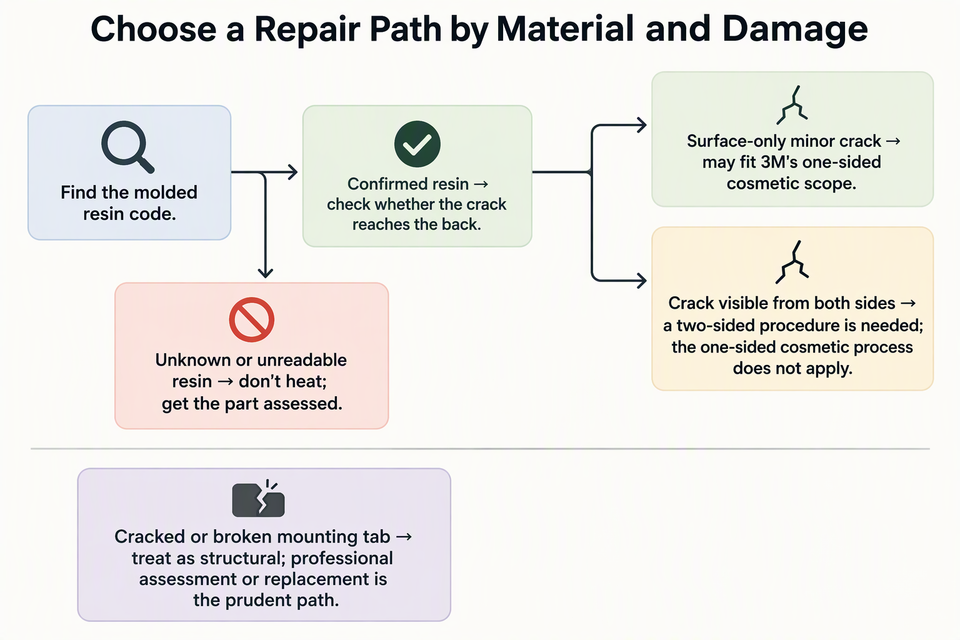 Using a Soldering Iron to Weld Cracked Automotive Plastic Bumpers and Tabs
A practical check for cracked ABS or polypropylene bumpers and tabs: confirm the resin, judge crack depth, and...

Leave a comment
This site is protected by hCaptcha and the hCaptcha Privacy Policy and Terms of Service apply.