































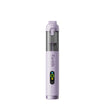










A basic home car wash needs five things: a household hose or a pressure washer, a vehicle-safe car soap, wash mitts, buckets, and absorbent drying towels. Wheel brushes, trim tools, and a foam accessory are useful additions, but a foam-assisted setup only works when the exact washer, connector, accessory, and soap are documented as compatible with each other. Until that documentation exists, treat foam as an optional branch rather than a required part of the basic kit.
Numeric pressure and spray-distance settings work the same way. A pressure washer's maximum PSI is a machine spec, not a recommended setting for painted vehicle surfaces, so this guide separates what can be answered directly from what still requires checking your specific equipment's documentation.
Key Takeaways
- A minimal home wash setup covers a hose or pressure washer, vehicle-safe soap, mitts, buckets, and drying towels; wheel and detail tools are optional add-ons.
- A foam accessory and soap pairing is only safe to use once the washer, connector, accessory, and soap documentation all confirm compatibility with each other.
- Test the GFCI and keep every power connection away from standing water and runoff before you turn on any electrical equipment near the wash area.
- Wash in a fixed order: prepare the site, pre-rinse, apply only documented-compatible soap or foam, contact-wash top to bottom, rinse, detail the wheels separately, then dry and clean up.
- Maximum PSI is not a vehicle-safe working pressure; use the soap or equipment's own instructions instead of a converted or borrowed number.
What Equipment Do You Need for a Home Car Wash?
The minimum kit for a home wash is a household hose or a pressure washer, a vehicle-safe car soap, wash mitts, a couple of buckets, and absorbent drying towels. Everything past that point is either optional for extra detailing or conditional on documented compatibility.
- Essential: a household hose or a pressure washer for a car with soap, a vehicle-safe car soap, wash mitts, two buckets (one for rinse water), and microfiber drying towels. Skipping any of these leaves you without a way to safely lift dirt off the paint or dry it without streaking.
- Optional for detail work: dedicated wheel and tire brushes, soft trim brushes, and crevice tools. These matter once brake dust, tar, or trim contamination is part of the job; leaving them out just means slower or less thorough cleaning in those specific spots.
- Conditional on documentation: a foam accessory and detergent path. Choose a soap whose own car wash soap documentation confirms both the vehicle finish and foam-cannon use, and follow that product's exact ratio instead of guessing or borrowing one from another soap. A pressure washer helps with pre-rinsing and rinsing, but it does not by itself prove a complete wash or drying process.
Which Home Car Wash Setup Fits Your Vehicle and Site?
The right setup depends on how often you wash, whether you want foam, how much wheel and trim work is involved, and how much water or power you have on hand. Each scenario below adds or removes equipment based on a specific condition, not on accessory count.
For an Occasional Basic Wash
If you're washing a car every few weeks and storage space is limited, stick with the minimum kit: a hose or pressure washer, soap, mitts, buckets, and drying towels. Adding a foam cannon or dedicated wheel brushes here just adds storage and cost without changing the outcome of an occasional rinse-and-wash.

For a Foam-Assisted Exterior Wash
Foam only belongs in the setup once the pressure washer, the foam accessory's connector, the detergent path, and the chosen soap are all documented to work together. Don't assume compatibility just because a connector looks universal or because a washer is marketed for car use; check the accessory's own fitting instructions and the soap's foam-cannon directions before you attach anything.
For Wheels, Tires, Trim, and Crevices
Once brake dust, tire residue, or trim buildup is part of the job, add dedicated wheel and tire brushes and separate wash media so you're not moving grit from the wheels onto the paint with the same mitt. Keep any wheel-specific pressure or spray advice scoped to the wheels; it does not automatically carry over to painted panels or trim.
For Limited Water or Power
If you don't have easy hose or outlet access, a portable water setup can solve the supply problem, but only within its documented tank size, runtime, and task scope. A tool built for spot cleaning is not the same as one verified for a complete foam-assisted vehicle wash, so match the portable option to the actual job before relying on it for a full wash.
What Should You Check Before Connecting Water and Power?
Before you connect any electrical equipment to water, pass a short safety gate: confirm GFCI protection, keep power connections away from standing water, and control where the spray and the runoff go. If any of these conditions fail, change the setup or wait rather than starting anyway.
- Follow official pressure washer safety guidance to test the GFCI and keep power connections away from runoff: plug into a properly grounded, GFCI-protected receptacle, and if you need an extension cord, keep the connection out of standing water and away from the runoff path.
- Never point the spray at yourself, bystanders, or pets, and don't let children operate the pressure washer.
- Washing on pavement sends wash water and any excess soap toward the storm drain, so follow EPA runoff prevention guidance to keep wash water and excess soap away from storm drains and check what your local rules require for that runoff.
- Confirm your water source, chemical path, and drainage situation before starting. If you don't know where the runoff goes or whether your soap is documented safe for the surface you're cleaning, pause and resolve that before you spray.
How Do You Wash the Car in the Right Order?
Once the site passes the safety checks above, follow one order: prepare, pre-rinse, apply soap, contact-wash, rinse, detail, dry, and clean up. Each stage has one job, and skipping the order (for example, letting foam dry before you wash it off) undercuts the stages after it.
- Prepare the wash area. Park on a surface where you can control runoff, and confirm your water and power connections have already passed the safety checks above.
- Pre-rinse the vehicle. Rinse from top to bottom to remove loose dirt and grit before any soap touches the paint; this reduces the chance of grinding debris into the finish during the contact wash.
- Apply soap or foam. Use the soap label or technical sheet instead of converting a bucket ratio, and don't let applied foam sit long enough to dry on the surface.
- Contact-wash top to bottom. Work with a clean mitt in overlapping passes, starting at the roof and moving down, so dirtier lower panels don't transfer grit onto cleaner upper sections.
- Rinse thoroughly. Remove all soap residue before it has a chance to dry into spots, again working top to bottom.
- Detail the wheels and heavy-contamination areas separately. Wheels carry brake dust and road grime that painted panels don't, so clean wheels safely with their own media rather than the mitt you used on the paint.
- Dry from top to bottom. Use clean microfiber towels to prevent water spots and to catch any missed soap residue before it dries.
- Clean up the equipment. Follow the manual for your specific washer, hose, and accessories; don't add disconnect, storage, or winterizing steps that aren't documented for your exact equipment.
If at any point the soap, foam accessory, or drainage path is undocumented or unclear, stop that branch of the workflow and switch to the documented option rather than guessing your way through it.
What Pressure, Soap, and Accessory Choices Are Safe Starting Points?
Maximum PSI, working pressure, flow, nozzle pattern, and spray distance are five separate specs, and a machine's maximum rating is not a vehicle-safe working setting. No publishable source in this guide supplies a universal PSI, nozzle, or distance number for car paint, so the table below states what is and isn't decided yet.
| Decision | Supported Answer | Condition / Boundary |
|---|---|---|
| Maximum PSI vs. working pressure | Maximum PSI is a machine spec, not a paint-safe setting | Use the washer's own documented working range for vehicle use, not its maximum rating |
| Flow and nozzle pattern | Flow and nozzle pattern affect cleaning result independently of pressure | No universal nozzle or flow value is supported here; check the washer's manual |
| Spray distance | No vehicle-specific distance is established in this guide | Confirm distance guidance from the washer's manual before use |
| Soap and foam ratio | Use the exact ratio on the soap's own label or technical sheet | Keep the bottle ratio, foam reservoir setting, and pressure-washer output separate; never convert a bucket ratio yourself |
| Wheel cleaning | Low pressure, a broad fan spray, and gentle agitation work for wheels | Scoped to wheels only; do not apply this setting to paint, trim, or seals |
Read this table as a filter, not a settings sheet: it tells you which numbers you can rely on today (the wheel example and the soap-ratio rule) and which ones you still need to pull from your washer's own documentation before you start.

FAQs
Should I use the pressure washer's maximum PSI on a car?
No. Maximum PSI is the machine's ceiling rating, not a recommended vehicle-wash setting. Use the working pressure range documented for your specific washer and task instead of assuming the maximum number is safe for paint.
Can I use any foam cannon and car soap with a pressure washer?
Only if the washer's documentation, the foam accessory's connector and detergent instructions, and the soap's own vehicle-finish directions all confirm they work together. A universal-looking fitting or a "for cars" label on the washer isn't enough proof of compatibility on its own.
Do I still need wash mitts and drying towels if I use a pressure washer?
Yes. A pressure washer helps with pre-rinsing and rinsing, but it doesn't replace contact-wash media or drying towels. The supported minimum setup still includes mitts and microfiber towels alongside any pressure tool.
Can I wash my car if the driveway drains toward a storm drain?
Don't assume that route is fine by default. Washing on pavement can send wash water and excess soap toward a storm drain, so keep wash water and soap away from that path and check your local requirements before you settle on where to wash.
Continue reading
 Why Does My Tire Look Flat Even When Full? Radial Sidewall Flex Explained
A tire's shape under load can't tell you its pressure. This guide explains sidewall flex and indentations, then...
Why Does My Tire Look Flat Even When Full? Radial Sidewall Flex Explained
A tire's shape under load can't tell you its pressure. This guide explains sidewall flex and indentations, then...


Leave a comment
This site is protected by hCaptcha and the hCaptcha Privacy Policy and Terms of Service apply.