












































For a long drive with passengers who dislike strong scents, pick a car air freshener whose own label or manual shows how to turn it down, switch it off, or take it out of the car. Ask your passengers before you use any fragrance. If they agree, start with the lightest use the instructions allow, then reduce it, stop it, or remove it if anyone isn't happy.

Long shared trips are where subtle beats strong. Several hours in a closed cabin is different from a quick errand. A scent that lasts all day or fills the whole car works against you when someone in the back seat would rather not smell it at all.
Choose a Freshener You Can Reduce, Stop, or Remove
The feature that matters most is control you can verify. Before you buy, read the exact product's label or manual and look for at least one of these:
- An output adjustment: a documented way to lower how much fragrance it releases.
- An off function: a way to stop release completely while the product stays in the car.
- A removal method: clear directions for taking it out and storing or sealing it.
If the instructions don't confirm any of these, don't assume you'll be able to keep the scent subtle. Words like "light," "gentle," or "long-lasting" describe the scent or how long it lasts. They don't tell you whether you can turn it down or shut it off. A product that keeps releasing fragrance once it's open, with no documented way to pause it, is a poor match for a trip where the goal is "barely there."
This idea comes from a broader principle. EPA's general indoor-air guidance says the most effective way to improve indoor air is usually to remove individual sources or reduce what they release. That guidance covers indoor spaces in general, not vehicles or specific car fresheners. Still, it supports a clear buying rule: when the comfort of other people is at stake, the best freshener is one you can dial back or get rid of quickly.
The same rule applies to products you already own. If your current freshener has no documented control, you don't have to replace it. You can simply leave it out of the car for this trip.
Also look past the scent itself. A freshener can't fix the source of an odor. If the car smells musty or stale, cleaning the cause first means you may need little or no added fragrance. If damp upholstery is the problem, our guide to removing winter odors from car fabric covers moisture and odor control before you reach for any scent.
Start With the Least Intense Directed Use
Once you have a freshener with documented control, treat the first hour of the drive as a low-key trial. The steps below are practical guidance, not a tested procedure for any particular product.
- Ask before you leave. Check with everyone riding along whether they're okay with any added scent. Don't put the freshener in the car unless all of them say yes.
- Follow the product's own directions. EPA advises following manufacturers' instructions when you use products that may release pollutants into indoor air. Read the label for placement, setup, and any warnings before you start.
- Start at the lowest permitted use. Pick the lowest setting, the smallest opening, or the lightest use the instructions allow. Don't go past what the label permits to make the scent last longer or smell stronger.
- Check in during the drive. Ask once you're on the road, and again at stops. A scent that seemed fine in the driveway can feel heavier hours later.
- Reduce, stop, or remove if it's unwelcome. Use the product's documented control. If you have to handle the freshener to do this, pull over safely or wait for a stop rather than doing it while driving.
- Bring in outdoor air when practical. Crack a window or set the climate control to draw in outside air when weather and traffic allow.
That last step has support in EPA's fresh-air guidance, which says bringing more fresh air indoors helps reduce pollutants inside. That guidance doesn't specifically evaluate car cabins, and fresh air doesn't replace stopping the source. Think of it as extra help after you've turned the freshener down or taken it out.
Your passengers' feedback is the signal to watch. If anyone says the scent bothers them, believe them and act on it right away.
When Should You Skip the Freshener?
Skip it whenever a passenger says they would rather have no added fragrance. Don't offer a lower setting as a compromise. A light scent is still a scent, and the trip will go better if nobody spends hours putting up with something they didn't want.
People really do react differently. EPA notes that some people may dislike a particular fragrance and may report physical reactions, while others exposed to the same fragrance enjoy it. EPA also describes ongoing scientific debate about what causes those reactions. So the fact that you or another passenger likes a scent doesn't predict how someone else will feel about it.
Keep two limits in mind:
- Labels aren't medical promises. A product called "subtle," "natural," or "for sensitive noses" isn't proven hypoallergenic or medically safe unless real evidence backs that up. Don't present it that way to your passengers.
- This isn't medical advice. If a passenger has asthma or another health condition, their own preference, and their doctor's guidance, should decide. When in doubt, leave the freshener out.
A clean car with some fresh air is the easiest option for everyone. You can always add a light scent later on a trip where everyone agrees.
FAQs
What makes a car air freshener a good fit for scent-sensitive passengers?
Documented control. Pick one whose label or manual shows a way to lower output, turn it off, or remove it. This follows EPA's general source-control guidance, which favors reducing or removing a source. That guidance is about indoor air in general, not car fresheners specifically.
Can I just open a window instead of removing the freshener?
Fresh air helps, but it isn't a substitute. EPA's general fresh-air guidance says more outdoor air helps reduce indoor pollutants, though it doesn't specifically study vehicles. Turn the freshener down or take it out first, then ventilate when weather and traffic allow.
How much fragrance should I use on a long drive?
Start with the least intense use the product's instructions allow, and never go past them. EPA's product-instruction guidance supports following the manufacturer's directions. After that, let your passengers' feedback decide whether you keep it, lower it, or stop.
One passenger likes the scent and another doesn't. What should I do?
Leave it off for this trip. EPA's note that fragrance responses can differ explains why one person's enjoyment doesn't speak for anyone else. Respecting the "no scent" preference is the simplest fair choice in a shared car.
Is a "light" or "natural" freshener safe for someone with sensitivities?
Not automatically. Words like that describe the scent, not proven medical suitability. If someone has sensitivities, ask them, and if they would rather avoid fragrance, don't use it.
Continue reading
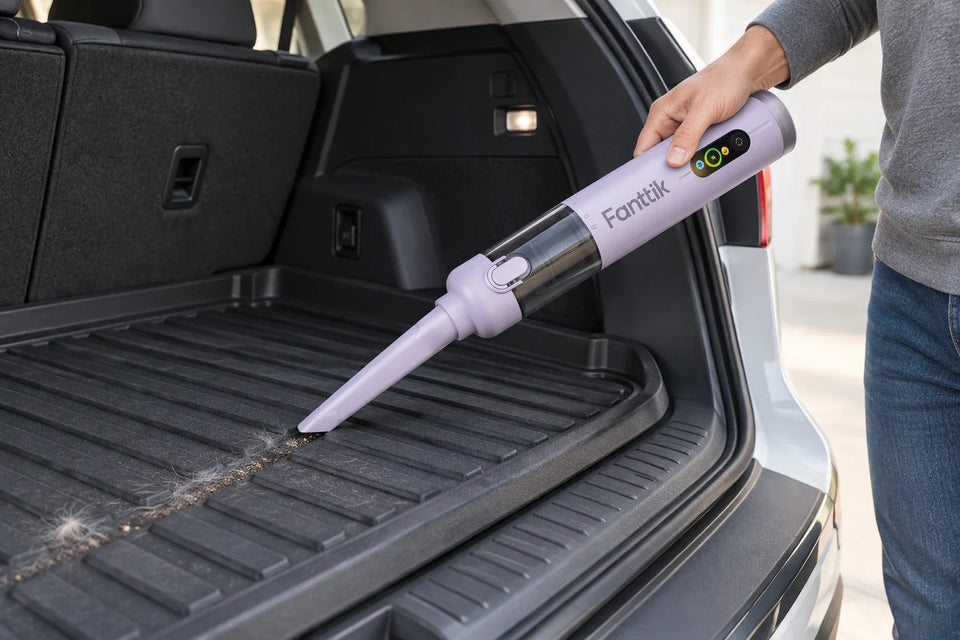 Vacuuming Dog Hair and Dry Debris from a Car Cargo Liner
A practical dry-cleaning sequence for cargo liners covered in dog hair, with nozzle choices for smooth, ribbed, and...
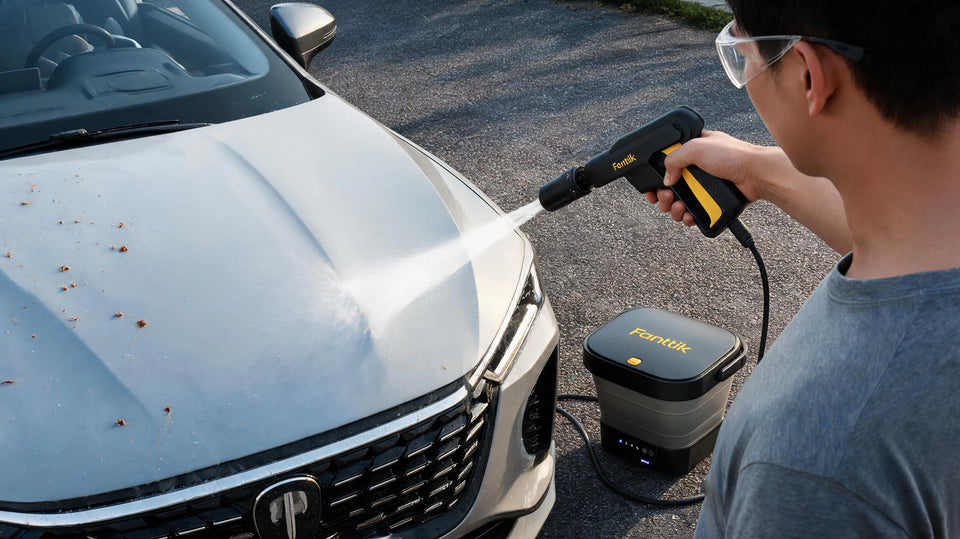 Removing Dried Bugs From Car Paint Without Scratching It
Use a pressure washer to rinse off grit, then soften stuck insect residue with a cleaner your finish...
Leave a comment
This site is protected by hCaptcha and the hCaptcha Privacy Policy and Terms of Service apply.