












































Between passengers, use the same short order every time. First, clear out loose items. Next, vacuum visible dry crumbs from the passenger seat, then the floor area you can easily reach, and finish with the mats.
After that, look over the surfaces riders touch. Treat that check as its own step, because a handheld vacuum picks up crumbs but does not wipe or sanitize anything. Spills, stains, and ground-in dirt need spot treatment or a separate, scheduled deeper clean.
A Repeatable Between-Ride Vacuum Routine
Toyota's interior guidance says to remove loose items first, then vacuum loose seat and mat debris, along with loose carpet debris. A practical order is working seat, floor, then mats, so mats catch anything that falls. This order is a practical habit rather than a required standard.

- Clear loose items. Pick up trash, wrappers, and anything left behind so the vacuum only has to deal with dry debris.
- Vacuum the passenger seat. Go over the seat cushion and seams where you can see crumbs.
- Vacuum the reachable floor or footwell. Get the dry debris you can reach without taking anything apart.
- Finish with the mats. Doing them last catches crumbs that dropped while you cleaned the seat.
- Check contact surfaces separately. Look at door handles, seatbelts, and nearby trim. If you see a mark, wipe it with a method that suits the material. Toyota's separate surface-wiping guidance handles the dashboard and steering wheel as their own task, and the right steering-wheel cleaner depends on whether the wheel is leather or another material.

When to Spot-Treat or Deep-Clean Instead
A quick vacuum pass works only on loose, dry debris. If a rider spilled something on carpet, CRI's carpet spill guidance requires blotting liquids, scooping semisolids, and vacuuming only solid pieces once dried. If a spot remains, follow the product directions for carpet rather than applying those steps to seats or other surfaces.
For seats and non-carpet materials, follow your vehicle's instructions and specific cleaner labels.
Some messes call for their own cleaning session: stained fabric seats, or carpet and mats that are dirty all over or have dirt ground in. Toyota's separate stain and deeper-clean steps handle these apart from loose-debris vacuuming. Those steps follow the cleaner's directions and let surfaces dry completely, which means the job won't fit into a short gap between rides. If you plan these sessions ahead, it helps to keep a stocked car interior cleaning kit in the car. The FAQs below cover what those deeper tasks involve.
FAQs
How should I treat a stain on a fabric car seat?
Toyota's fabric-seat stain steps start with vacuuming. Next, apply an upholstery cleaner as its label directs, focusing on the stained or heavily soiled spots, and scrub gently. Blot with a clean, damp cloth to lift out extra cleaner and dirt. Then let the seat air dry completely before a passenger sits there.
What does a deeper clean of car carpet or mats involve?
Toyota's carpet and mat cleaning steps go like this. Vacuum first, then apply the cleaner according to its directions, working one small section at a time. Rinse with clean water and blot out the extra moisture. Let everything air dry completely before you put the mats back in. Toyota also says to check your owner's manual for approved detergents, because some can discolor the interior.
How often should I schedule a deeper clean?
The vehicle guidance doesn't give one schedule that fits everyone. Let the condition of your interior decide. If stains or ground-in dirt are still there after your quick passes, set aside a separate cleaning session.
Can I just vacuum up a wet spill?
The between-ride routine is for dry debris only. On carpet, blot liquids and scoop up semisolids instead. Save the vacuum for solid bits once they've dried.
Continue reading
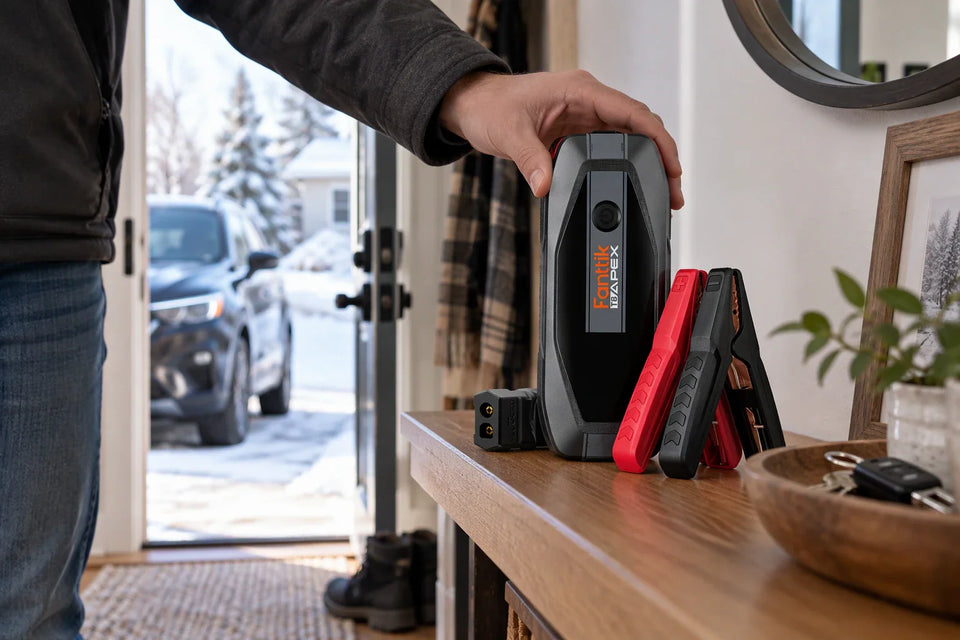 Winter Jump Starter Readiness: Charge and Store It Within Its Limits
How to get a portable jump starter ready for cold months: match your model's charging directions, separate storage...
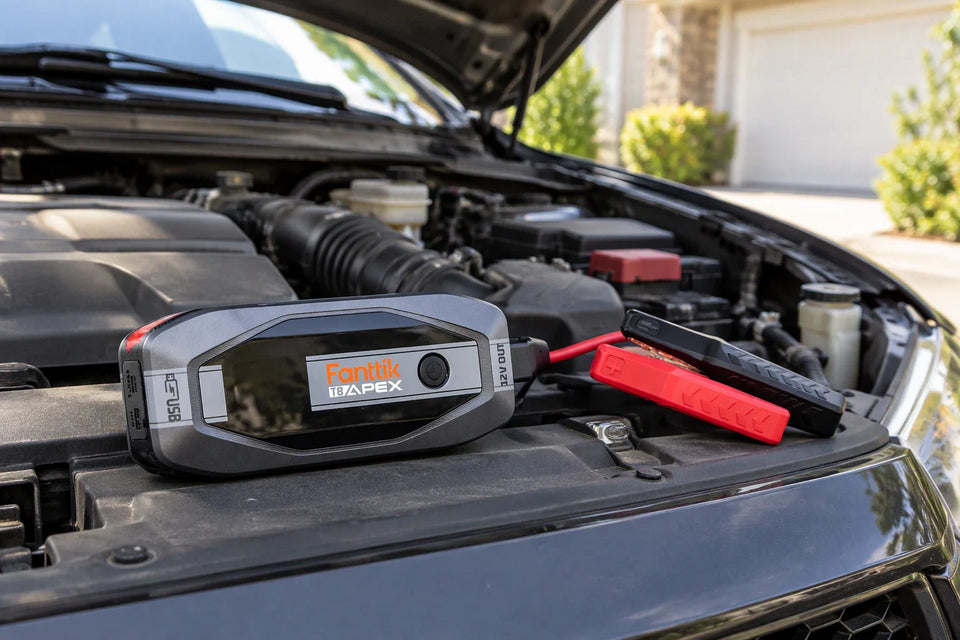 Jump-Starting a Start-Stop Car: Follow Its Battery Instructions
A portable booster isn't automatically safe on a start-stop car. Compare your car's jump-start points with the booster's...
Leave a comment
This site is protected by hCaptcha and the hCaptcha Privacy Policy and Terms of Service apply.