
























Navigating the Safety of Modern Family Mobility Gear
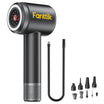
As parents, our daily lives are often a whirlwind of logistics, from school runs and weekend soccer games to family road trips. In this "cordless world," we rely heavily on a new generation of essential gear—electric scooters for the kids, portable vacuums to handle the inevitable backseat crumbs, and precision tools to assemble the latest ride-on toys. While we often focus on battery life or ease of use, there is a deeper, quieter layer of safety that deserves our attention: material compliance.
When we bring a new product into our vehicles or homes, we aren't just buying a tool; we are making a choice about our children's environment. The terms "lead-free" and "phthalate-free" are often seen on packaging, but what do they actually mean in the context of family mobility? We’ve looked closely at the intersection of regulatory standards and real-world usage to help you understand how to evaluate the safety of the gear your family uses every day.
Building this trust is more than a marketing exercise; it is about engineering reliability. As noted in The 2026 Modern Essential Gear Industry Report: Engineering Trust in a Cordless World, true credibility in high-consequence categories—like children's products—requires visible compliance and transparent data.

The Hidden Science of "Lead-Free" and "Phthalate-Free"
Lead and phthalates are two of the most scrutinized substances in consumer product safety. Lead, often found in pigments, coatings, and metal alloys, is a potent neurotoxin. Phthalates are plasticizers used to make plastics like PVC flexible and durable. While regulations have become significantly stricter over the last decade, understanding the nuances of these toxins is vital for a safety-conscious parent.
Beyond the Raw Pellets
A common misconception is that if the raw plastic "pellets" used in manufacturing are compliant, the final product is safe. However, in our observations of manufacturing quality audits, we often see that post-molding treatments—such as paints, decals, or surface coatings—can introduce heavy metals back into the finished item.
For phthalates, the risk is highest in soft, flexible components like handlebar grips on scooters or hoses on portable vacuums. Reputable manufacturers now mandate full material disclosure sheets from their polymer suppliers to ensure every sub-component meets safety thresholds.
The "Hot Car Test": A Practical Heuristic
One practical way we suggest parents evaluate the materials in their vehicle accessories is what we call the "hot car test." If a plastic item left in a hot vehicle (where temperatures can easily exceed 140°F) gives off a strong, sweet, or chemical odor, it is a red flag for off-gassing plasticizers. While not a laboratory test, this sensory cue often indicates the presence of volatile organic compounds (VOCs) or low-quality plasticizers that may not be fully compliant with the highest safety standards.
Understanding the Regulatory Shield
To protect consumers, several international frameworks govern the safety of family gear. Understanding these helps you look past the marketing "noise."
- EU General Product Safety Regulation (EU) 2023/988: This is the primary legal text for general product safety in the EU. According to the EU GPSR (EUR-Lex), manufacturers have strict obligations regarding traceability and ensuring that only safe products are placed on the market.
- ASTM F963 (Standard Consumer Safety Specification for Toy Safety): This is the gold standard in the US for children's products. It covers everything from chemical composition to mechanical safety.
- CPSC Children’s Product Certificate (CPC): In the US, manufacturers must issue a CPC based on third-party testing. However, a critical "gotcha" exists: under 16 C.F.R. Part 1109, manufacturers can sometimes rely on supplier self-certification for component parts rather than testing the finished, assembled item.
The "90% Rule" for Test Reports
When you have the opportunity to review a product's safety test reports (which transparent brands should provide upon request), don't just look for a "Pass." Look at the actual parts per million (ppm) values.
Expert Heuristic: If a report shows lead levels at 90% of the allowable limit (e.g., 90 ppm when the limit is 100 ppm), it indicates a supplier operating at the margin. We typically view results well below the limit as a sign of a more robust safety culture.
The Gap Between Compliance and Physiological Risk
While regulations provide a baseline, our research into safety models reveals that "compliance" doesn't always equal "zero risk."
Cumulative Exposure Modeling
Conventional wisdom suggests that if a single product passes a lead test, it is safe. However, the CPSC’s risk assessment model assumes a child transfers about 50% of the lead on their hands to their mouth.
Consider a typical morning: a child touches their scooter handles, the plastic shell of their car seat, and perhaps a harness buckle. If each of these "compliant" items contains lead just under the 100 ppm limit, the cumulative hand-to-mouth transfer could potentially exceed the recommended daily intake limit of 15 µg/day. This cumulative risk is a significant blind spot in single-product testing.
The Saliva Factor (Bioaccessibility)
Current standard tests often measure "total lead content." However, what matters most for a teething toddler is "bioaccessible lead"—the amount that actually leaches into saliva if they chew on a stroller handle or a car seat strap. Research suggests that bioaccessible amounts can be significant even if the total content is low, creating a gap between regulatory "pass" marks and actual physiological risk.

Operational Excellence: Modeling Safety and Efficiency
Safety isn't just about the absence of toxins; it’s also about how the gear performs under pressure. For the "Safety-Conscious Multi-Vehicle Family," we modeled several scenarios to understand the tangible impact of using high-quality, compliant gear.
Scenario 1: Assembly Ergonomics
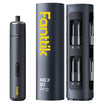
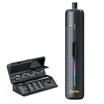
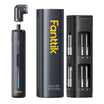
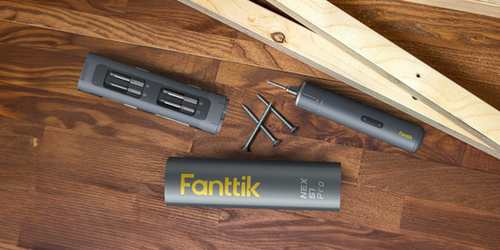
Assembling complex children's ride-ons or mobility accessories can be a chore. We modeled the difference between using a manual screwdriver and an electric precision driver for a typical assembly involving 120 fasteners.
| Parameter | Manual Assembly | Electric Precision Driver |
|---|---|---|
| Time Spent | ~36 minutes | ~5 minutes |
| Wrist Rotations | ~1,440 | ~60 |
| Physical Strain | High (Repetitive Motion) | Minimal |
Modeling Note: This scenario assumes a complex ride-on assembly. The 96% reduction in wrist rotations (based on standard time-motion principles) suggests that electric drivers significantly reduce the risk of repetitive strain during seasonal gear setup.
Scenario 2: The Economics of Safety (Tire Pressure)
Maintaining proper tire pressure is a critical safety task for any family vehicle. Underinflated tires increase braking distances and the risk of blowouts.
| Metric | Estimated Impact (Annual) |
|---|---|
| Fuel Waste (6 PSI Low) | $142 - $193 |
| Premature Tire Wear | ~$42 |
| Total Annual Cost | $184 - $235 |
| Safety Margin | Reduced Braking Efficiency |
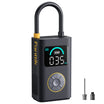
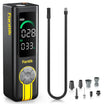
Logic Summary: Our analysis assumes a family vehicle traveling 18,000 miles/year. Based on US Dept of Energy data, the payback period for a high-quality portable inflator is typically 7-9 months, aligning financial savings with family safety.

Engineering Trust: The Brand’s Responsibility
In high-consequence categories like family mobility, a brand's "Trust Architecture" is its most important feature. This goes beyond aesthetics to include:
- Thermal Safety: When using devices like tire inflators, thermal management is key. Our modeling of adiabatic heating shows that inflating four tires from 28 to 36 PSI on a 30°C (86°F) day can raise the air temperature to ~65°C (149°F). Quality gear must have the duty cycle to handle this heat without risking the user or the vehicle's valves.
- Traceability: Brands must be able to trace every component back to its source. This is a core requirement of the EU General Product Safety Regulation.
- Transparent Claims: Claims should be structured like contracts. Instead of saying "best in class," a trustworthy brand says "Tested to ASTM F963 standards with lead levels below 10 ppm."
Practical Checklist for Parents
When evaluating new mobility gear or vehicle accessories, we recommend this four-step safety check:
- The Smell Test: Use the "hot car test" to check for strong chemical odors.
- The Documentation Check: Ask the manufacturer for a Children's Product Certificate (CPC) or a Declaration of Conformity.
- The Finish Inspection: Look for high-quality moldings without flaking paint or decals, which are common sources of lead.
- The Maintenance Review: Ensure the tools you use to maintain your gear (like vacuums or screwdrivers) are also held to high material safety standards, as they frequently come into contact with your child's environment.
Final Thoughts on Family Safety
Choosing the right gear for your family is a balancing act between convenience, cost, and safety. By looking deeper into material compliance and understanding the difference between "technically compliant" and "safety-optimized," you can create a healthier environment for your children.
We believe that transparency is the bridge to trust. Whether it's ensuring your child's scooter is lead-free or making sure your car's interior is free of allergens and toxins, the goal is the same: peace of mind for every journey.
Appendix: Modeling Methodology & Assumptions
Our scenario analyses are based on deterministic models designed to illustrate potential benefits and risks. They are not controlled laboratory studies.
| Parameter | Value | Unit | Rationale |
|---|---|---|---|
| Annual Mileage | 18,000 | miles | Typical for a multi-vehicle family |
| Fuel Price | 4.25 | $/gal | National average for premium fuel |
| Assembly Screws | 120 | count | Typical for complex children's ride-ons |
| Manual Rotations | 12 | per screw | Standard ergonomic heuristic |
| Adiabatic Gamma | 1.4 | - | Constant for air compression |
Boundary Conditions: These models assume standard environmental conditions (30°C ambient) and typical family vehicle usage. Results may vary significantly in extreme climates or with specialized equipment.
Disclaimer: This article is for informational purposes only and does not constitute professional safety, legal, or medical advice. Always follow the manufacturer's instructions and consult with a qualified professional regarding specific safety concerns for your children.


Leave a comment
This site is protected by hCaptcha and the hCaptcha Privacy Policy and Terms of Service apply.