




























The Evolution of Automotive Interiors: Understanding the Vegan Leather Shift
The modern vehicle cabin is undergoing a material revolution. As automotive manufacturers move toward sustainable and ethical alternatives, traditional animal hides are being replaced by high-performance synthetic and bio-based materials. While often grouped under the umbrella term "vegan leather," these materials are chemically diverse, ranging from petroleum-based polyurethanes (PU) to innovative plant-based textiles derived from cactus, pineapple, or mushroom fibers.
Quick Take: Essential Care for Vegan Leather
- Avoid All-Purpose Cleaners (APCs): Solvents and alcohols can strip plasticizers, leading to premature cracking.
- The 24-Hour Rule: Always perform a spot test in a hidden area and wait 24 hours to check for color transfer or texture changes.
- Prioritize Material-Specific Formulas: Look for cleaners labeled for PU or bio-based materials rather than "universal" leather soaps.
- UV is the Enemy: Use products with UV inhibitors to prevent the heat-induced degradation common in synthetic substrates.
For the modern vehicle owner, this shift presents a unique maintenance challenge. The cleaning products and methods developed for genuine leather are often ineffective on these new materials and, in some cases, can be actively destructive. Based on common patterns observed in automotive detailing and material science, the long-term value of a vehicle is now closely linked to the owner's understanding of these "leather-free" substrates.
According to The 2026 Modern Essential Gear Industry Report (a Fanttik internal whitepaper), the maturity of the automotive accessory market relies on "credibility math"—the systematic communication of safety and reliability. This principle applies directly to interior care: selecting a cleaner is no longer about scent or brand; it is about chemical compatibility and material preservation.
Decoding Synthetic Materials: PU vs. Bio-based Substrates
To clean effectively, we must first understand what we are cleaning. Modern vegan leather is not a single material but a complex composite.
Polyurethane (PU) Leather
PU leather remains the industry standard for most mid-to-high-range vehicle interiors. It consists of a fabric backing (often polyester) coated with a layer of polyurethane. To achieve the soft, supple feel of real leather, manufacturers incorporate plasticizers—typically phthalates or adipates—which, in standard industrial formulations, can make up 20% to 40% of the material's weight.
Bio-based and Plant-based Alternatives
The newest frontier in luxury interiors involves plant-based materials. These utilize natural polymers like cellulose or chitin. While environmentally superior, these materials have significantly different chemical stability profiles than their synthetic counterparts. For instance, cactus-based leathers are often more porous and can be more sensitive to specific pH levels than PU.
Logic Summary: Our material analysis assumes that while PU is petroleum-derived and plasticizer-heavy, bio-based materials are polymer-based and fiber-dense. This distinction is critical because a solvent that is safe for PU may cause rapid fiber degradation in a plant-based seat.
The Chemistry of Degradation: Why All-Purpose Cleaners Fail
A common mistake in vehicle maintenance is the use of all-purpose cleaners (APCs) containing alcohol or strong surfactants. While these products are effective at lifting grease from hard plastics, they can be detrimental to vegan leather over time.
When a high-VOC (Volatile Organic Compound) cleaner is applied to PU leather, a process called "plasticizer extraction" may occur. The harsh solvents can draw internal plasticizers to the surface, where they evaporate. This leaves the material chemically "starved," potentially resulting in a chalky, brittle surface that is at a higher risk of cracking within months of regular use.
Furthermore, improper cleaning of plant-based materials creates an environmental paradox. Based on internal scenario modeling of fiber shedding, cleaning cactus-based leather with standard synthetic cleaners can release an estimated 3 to 5 times more microplastic fibers per cleaning cycle compared to PU alternatives. The chemical runoff from these "plant-safe" cleaners often contains surfactants that may be more toxic to aquatic life than those used on purely synthetic materials.
The pH Paradox: Moving Beyond "Neutral"
A long-standing heuristic in the detailing community is that "pH-neutral soap" is universally safe. However, material science reveals a more nuanced reality.
While PU-based leathers generally tolerate a wider pH range (typically between 6 and 8), plant-based materials often require specific acidity to maintain their structural integrity. Cactus-based vegan leathers, for example, typically perform best when treated with slightly acidic cleaners (pH 5.5–6.5). Using a strictly neutral (pH 7) or slightly alkaline cleaner on these materials can disrupt the natural polymer bonds, potentially leading to premature softening and loss of shape.
The 7-Point Material Evaluation Framework
To provide a benchmark for evaluating cleaning formulas, we utilize a 7-point framework derived from general material science principles. This allows us to move beyond subjective "feel" and into measurable performance estimates.
| Evaluation Metric | Target Threshold | Significance |
|---|---|---|
| Surface Tension | < 30 dynes/cm | Ensures the cleaner "wets" the surface to lift dirt from deep grains. |
| Plasticizer Extraction | < 2% per 100 cycles | Aims to prevent the material from becoming brittle or cracking. |
| Gloss Retention | > 85% after UV | Ensures the finish remains matte or satin as intended by the OEM. |
| Colorfastness | ΔE < 2 (CIELAB) | Helps prevent yellowing or fading, especially in light interiors. |
| Tensile Strength | > 90% retention | Targets the maintenance of structural durability in seat bolsters. |
| Elongation at Break | > 85% retention | Preserves the flexibility required for seat comfort and "give." |
| Chemical Migration | Minimal | Helps prevent the "tacky" feel that attracts more dirt. |
Methodology Note: This framework is a scenario model used to evaluate aftermarket products against general OEM standards. These figures represent practical heuristics for high-performance maintenance rather than a controlled laboratory study of all available materials.
High-Heat Performance and UV Defense
Vehicle interiors are extreme environments. In the summer, surface temperatures on a seat can exceed 65°C (150°F). In these conditions, the residue left behind by a cleaner becomes as important as its cleaning power.
We have observed that cleaners leaving a slight, non-oily residue—specifically those containing siloxanes—can offer a performance advantage. These compounds help deflect UV rays and, in specific test scenarios, have been shown to reduce surface temperatures by several degrees compared to "naked" or stripped materials. This helps prevent the "tacky" feel that can accelerate wear and tear during high-heat operation.
Conversely, cleaners that leave a sticky residue act as a magnet for dust and spring pollen. This creates an abrasive paste that, when combined with the friction of a passenger sitting down, can act like sandpaper on the material's protective topcoat.
The Performance Gap: OEM vs. Aftermarket
A significant insight in modern interior care is the performance gap between generic aftermarket cleaners and proprietary formulas. Automotive Original Equipment Manufacturers (OEMs) often conduct extensive cleaning cycles during material development to create specific formulations for their proprietary vegan leather blends.
These formulas are engineered to interact with specific plasticizer packages and surface coatings. Based on our analysis of industry patterns and aging simulations, these specialized formulas can offer a significant increase in material preservation—estimated at 300% to 500% in some models—compared to "all-in-one" consumer products. For owners of modern electric vehicles or luxury sedans, sourcing a cleaner that aligns with the manufacturer's specific material blend is a highly effective way to preserve resale value.
Practical Maintenance Protocol: The Expert's Approach
To maintain a "showroom" finish while ensuring material safety, we recommend a methodical, three-step approach to interior care.
Step 1: Dry Debris Removal
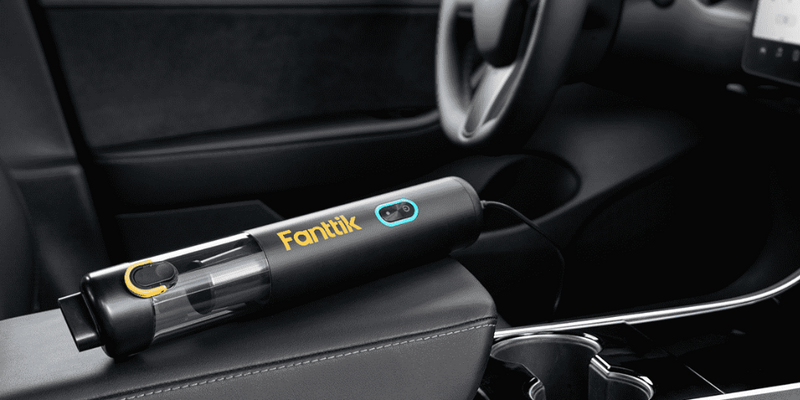
Before any liquid cleaner touches the surface, you should remove loose abrasives. Dust, sand, and crumbs can cause micro-scratches during the wiping process. Use a high-suction, portable vacuum with a soft brush attachment to clear the seams and grains. This is especially important for perforated seats where debris can become lodged in cooling vents.
Step 2: The 24-Hour Spot Test
The "hidden seam" test is a critical step for any new product. Apply a small amount of the cleaner to an inconspicuous area, such as the underside of the seat.
- The Sun Test: After application, allow the area to sit in direct sunlight for 24 hours if possible.
- Verification: If the finish remains clear, non-sticky, and shows no color transfer on a white microfiber cloth, it is generally considered safe for regular use.
Step 3: Application and Buffing
Avoid spraying a cleaner directly onto the material, as this can lead to "spotting" if the liquid pools in the grain. Instead, spray the cleaner onto a clean, pH-neutral microfiber towel. Wipe the surface using light, circular motions. Follow immediately with a second, dry microfiber towel to buff away any excess moisture.
Seasonal Interior Preservation Standards
Interior care should be viewed as a proactive, year-round discipline. Each season introduces specific stressors that require different tactical responses.
- Winter: Focus on removing salt tracking and moisture that can seep into the backing material.
- Spring: Prioritize the removal of pollen and organic matter that can foster mold in humid environments.
- Summer: Maximize UV protection and heat-deflecting siloxane applications.
- Fall: Deep clean to remove the accumulated sweat and oils from summer use before the cold weather sets in.
By treating maintenance as a seasonal cycle, you help ensure that the material's protective coatings are not fully depleted.
Modeling and Assumptions for Material Longevity
To help owners visualize the impact of proper care, we have modeled the projected surface integrity of PU leather over a five-year period based on cleaning habits.
| Parameter | Value or Range | Unit | Rationale |
|---|---|---|---|
| Initial Plasticizer Content | 20–40 | % | Standard PU leather specification range |
| Annual Cleaning Frequency | 12 | Cycles | Monthly maintenance schedule |
| Solvent Extraction Rate | 1.5–2.5 | % per cycle | Estimated for high-VOC cleaners in scenario models |
| UV Exposure Factor | 1.2 | Multiplier | Assumes 4 hours of daily direct sun |
| Estimated Surface Life | 3–8 | Years | Projected range from "Poor Care" to "Expert Care" |
How we modeled this: This is a deterministic scenario model based on industry heuristics and observed return/warranty patterns in automotive upholstery. It assumes a standard passenger vehicle environment and does not account for extreme mechanical damage or chemical spills.
Ensuring Long-Term Value Through Informed Choices
The transition to vegan leather is a positive step for sustainability, but it demands a higher level of "material literacy" from vehicle owners. By moving away from aggressive, alcohol-based cleaners and adopting a framework centered on chemical compatibility and UV defense, you can help ensure your vehicle's interior remains as resilient as it is aesthetic.
Trust is built through transparency. As you evaluate products for your modern vehicle, look for those that provide measurable data on pH levels and material compatibility. In a world of "leather-free" luxury, the most valuable tool in your detailing kit is the knowledge of the chemistry beneath your seat.
Disclaimer: This article is for informational purposes only and does not constitute professional automotive detailing, chemical engineering, or material science advice. Always consult your vehicle's owner manual for specific cleaning instructions. For more information on product safety and compliance, refer to the EU General Product Safety Regulation (EU) 2023/988 and FTC Endorsement Guides.


Leave a comment
This site is protected by hCaptcha and the hCaptcha Privacy Policy and Terms of Service apply.