












































The most practical electronics repair gifts fill a gap in the work the recipient already does. Start with their recurring task: driving small screws, dusting circuit boards, or soldering. Then pick a tool built for that job.

A third screwdriver set won't help someone whose real problem is a dusty board or a soldering iron with too big a tip. Before you buy, find out what they repair most often and which tool keeps slowing them down. Each section below covers one of these gaps, what to buy, and when to skip that category.
Gifts for Fastener Access: Hand or Powered?
How often the recipient turns small screws should decide between a hand set and a powered driver. If they open a game controller or phone now and then, a good precision hand screwdriver set is a sensible gift that gives them fine control and small bit sizes.
If they take apart many devices or drive dozens of screws per repair, a powered precision screwdriver may fit better. That only holds when its bits match the fasteners they actually see and its controls are gentle enough for small plastic and metal assemblies. A general drill or impact driver is not a stand-in. Those tools are built for bigger fasteners and heavier work, not delicate device housings.
Skip powered help if the person rarely handles screws, already owns bits that fit their devices, or you don't know what they fasten. Bit fit matters more than the driver. A short guide to choosing the right screwdriver bit covers bit types and sizes, so you can confirm a set matches their gear before you wrap it.
Gifts for Dust Removal: Air or ESD Vacuum?
For someone who cleans exposed boards with static-sensitive chips, an ESD-rated tool is the right direction, not a household vacuum. ESD means electrostatic discharge. It's the static shock that can damage sensitive parts.
MENDA/Desco warns that a standard vacuum can bring a very large electric field close to ESD-sensitive devices when used on these boards. The same Q&A names two alternatives: an ESD vacuum or an ESD compressed-air gun.
These two tools do different jobs, so they aren't interchangeable gifts. ESD compressed air knocks dust loose and blows it off the board. An ESD vacuum pulls dust in and collects it. If the recipient works where blown dust would just land on nearby gear, a collecting tool makes more sense. If they mostly need to clear dust out of tight spots on a board, an air tool matches that task.

Keep the scope in mind. This guidance covers dusting boards with sensitive parts. It doesn't make either tool a cleaner for liquids, flux residue, or sticky grime. Those jobs need a different approach.
Gifts for Electronics Soldering
Soldering gear is a good gift only if the recipient solders electronics, and it must be built specifically for circuit boards. Techspray's PCB soldering guidance says to use an iron and tips intended for electronic PCB soldering, noting that tips for stained glass or plumbing are generally much larger than appropriate for electronics. Consequently, a torch or heavy-duty iron is never a substitute just because the box says "soldering."
If the person already owns a decent PCB iron, another iron may just duplicate gear. Fume control is a more useful addition in that case. MIT EHS ventilation guidance, written for work on its campus, says even occasional solderers should use fans or local exhaust ventilation to reduce exposure to soldering fumes. A fan or fume extractor for their bench follows that same idea at home.
If the recipient doesn't solder electronics, skip this category. Their gap is more likely fastener access or board cleaning. For someone who solders and keeps getting dull, beading joints, our guide on why solder won't wet walks through the wire surface, flux, and heat checks.
FAQs
How do I find out what tools they already have without spoiling the surprise?
Ask about their last repair project instead of their toolbox. Questions like "What did you take apart last?" or "What part was hardest?" usually reveal whether screws, dust, or soldering slowed them down. You can also ask a partner or friend who has seen their workbench.
Is a general screwdriver guide useful before buying a set?
Yes, if you're unsure which driver types matter. Our overview of screwdriver types and uses compares precision, electric, Torx, and Phillips options so you can rule out the wrong kind before matching bits.
Can a gift card be a better choice?
It can be when you can't confirm their fasteners, cleaning needs, or soldering setup. Each category above depends on a fit detail, like bit size, ESD rating, or PCB-sized tips. If you can't check that detail, a gift card lets the hobbyist pick the exact tool that fits their workflow.
Do repair hobbyists who build projects need different gifts?
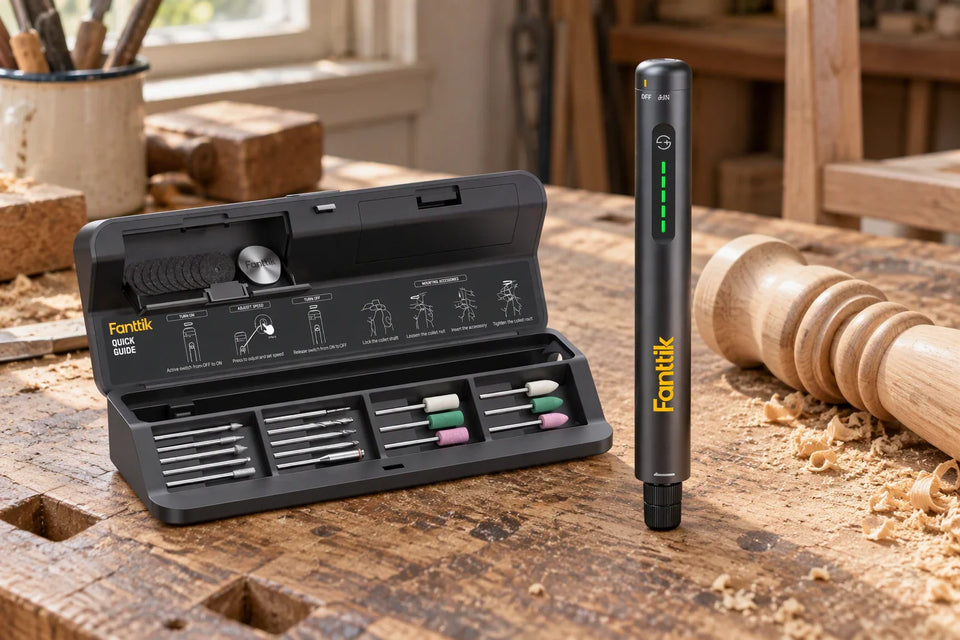
Sometimes. Builders who need to make small pilot holes or modify project enclosures may appreciate a precision drill rather than another driver.
Continue reading
 Pressure Washing Painted Wood Patio Furniture: Check the Finish First
Worn paint or sealant calls for hand cleaning. Even a sound finish needs written approval in the furniture...
 Holiday Gifts for Pet Owners Who Travel by Car
A practical gift guide for drivers who bring pets along: when a car vacuum helps, how to match...

Leave a comment
This site is protected by hCaptcha and the hCaptcha Privacy Policy and Terms of Service apply.