










































Don't force a stake into solid rock. Instead, connect your tent's built-in guy-out loops and rainfly points to stable rocks, boulders, trees, or other solid terrain features nearby, then tension each line evenly.
Pick your anchor method by what the ground actually offers: use natural features when you can find them, switch to a stake only where the soil takes it without bending, and fall back on a bounded surface anchor when nothing else is available. Check every anchor for movement before you trust the tent overnight, and rework or relocate if the wind starts pulling on the setup.
Start With a Stable Site and a Stake-Free Anchor Plan
Pick a site before you touch a stake. Look for a patch where stable terrain features sit close enough to the tent's corners and guy points that a line can run to them without a sharp bend.
- Solid rocks, boulders, or slabs that don't rock or shift underfoot
- Trees, logs, or exposed roots within easy reach of a line
- Cracks, notches, or edges that can hold a line without cutting it
- A patch of open soil worth testing, in case a stake will actually hold there
When stable rocks, trees, downed logs, or exposed roots are available, stable natural anchors can replace stakes that would otherwise skid or bend against buried rock. If a stake bends, folds, or stops short the moment it hits rock, stop forcing it. That's the signal to move a few feet to a patch that will actually take a stake, or to switch to a natural or surface anchor instead of hammering harder.
Turn the tent so its main guy-out pulls run fairly straight toward the anchors you picked, rather than at a sharp angle. Route each line away from edges you would trip over after dark.
Attach the Tent's Structural Guy-Out Points First
Work from the tent's own hardware, not the anchor. Attach lines to the manufacturer-designated corner and rainfly guy-out points before you settle on exactly where each anchor sits.

- Check the tent manual for the structural corner points; these hold the tent's shape in places the poles do not reach.
- Secure a line to each corner point first, since these points carry structural load that the frame alone can't.
- Add rainfly guy points once the body is anchored, so the fly doesn't sag onto the inner mesh.
- Route each line toward its anchor with a roughly straight pull, leaving slack for an adjustable line or tensioner if the anchor sits off to one side.
- Tighten gradually until the fabric is supported and square. Pulling one corner too hard can twist the whole frame.
Guy lines matter here because designated tent and rainfly guy-out points support sections of the tent and fly that poles simply can't reach, so tying off to a random seam risks tearing fabric instead of holding shape. Rock and boulders rarely sit at a matching distance from every corner, so adjustable guy lines for irregular anchor locations let you fine-tune each line without distorting the tent.
Match the Anchor to the Ground in Front of You
The right anchor changes with the ground under your tent. Bare rock, hard soil, and an open site with no obvious feature each call for a different fix.
Large Rocks, Boulders, Logs, and Roots
Choose a rock, log, or root that doesn't budge when you push it with your foot. A feature that rocks or slides even slightly will let the line go slack the moment wind or your own movement pulls on it. Wrap or hitch the line around the widest, roundest part of the feature so it doesn't ride over a sharp edge that could fray the cord.
Trees and Usable Rock Features
A sturdy tree trunk or a solid rock outcrop often gives the most direct line path of any anchor nearby. Pick one close enough that the line doesn't have to bend sharply to reach it, and keep the wrap low enough that you can see and check it without climbing. Solid-rock anchoring methods treat these features as the default option whenever bare stone rules out driving a stake at all.
Artificial or Improvised Surface Anchors
When no rock, tree, or root is within reach, use a surface workaround instead of trying to bury a deadman in solid stone. A modified deadman, or a line looped around a cluster of heavy, wedged rocks, can substitute where nothing else exists. Reject any object that rolls, shifts, or saws against the line under hand pressure, and check local rules before moving or stacking rocks, since some parks and public lands restrict it.
Tension and Inspect the Setup Before Overnight Use
Before you trust the tent for the night, put moderate hand pressure on each line and watch what happens. A stable setup shouldn't shift, sag, or pull the poles out of alignment.
- Anchor movement: Pull each line by hand. A rock, root, or wedge that rolls or slides even slightly needs a different anchor.
- Line path: Confirm no cord rubs across a sharp edge or crosses a spot where someone could trip over it.
- Fabric and rainfly shape: Look for uneven tension, rainfly sagging into the inner tent, or fabric pulled into an odd shape at one corner.
- Pole alignment: Check that the poles still sit straight; a bowed or twisted pole means one line is pulling too hard.
- Fix and recheck: Retie or re-anchor any line that fails a check, then test it again before settling in for the night.
When Wind Makes the Site Unsafe
Weight alone doesn't make an anchor safe. Watch for movement as wind builds, because that's the moment an improvised setup starts to fail.
Severe wind can do more than loosen a line. Incident records from Denali describe a case where severe gusts caused anchor failure in extreme wind, tearing the tent away with occupants inside. That kind of failure usually starts small, with a rock that shifts or a line that begins cutting into a cord edge.

Stop relying on the setup and rework the anchor, move to a more protected spot, or leave the exposed area if any of these happen: an anchor rolls, slides, or works loose; a line is visibly fraying or cutting into a rock edge; the poles or fabric are being pulled out of shape; or the wind keeps building beyond what your tent and site have handled so far. Your tent's manual covers its own wind rating and limits, so treat that figure, not a guess, as the ceiling for this specific shelter. If hand checks reveal shifting boulders or flexing poles, decide immediately whether to reinforce the rocks or pack down and drop to lower, sheltered ground.
FAQs
Can I move rocks at a campsite to build an anchor?
Only if local rules allow it. Many public lands and parks restrict moving or stacking rocks to limit site damage, so check posted regulations or ranger guidance before rearranging anything. When moving rocks isn't allowed, use an existing stable rock, tree, or root instead, or relocate to a site where natural anchors are already in place.
What should I do if a stake bends on hard ground?
Stop driving the stake immediately to avoid ruining your hardware. Move the stake slightly to test for a softer pocket of dirt, or switch to a surface anchor by wrapping a guy line around an immovable rock, tree trunk, or exposed root.
How heavy does a rock anchor need to be?
A rock anchor must be heavy enough that it does not slide, roll, or lift when pulled firmly in the direction of the guy line. If a single rock shifts under moderate hand tension, wrap a larger boulder or wedge multiple stones together to resist the pull.
Continue reading
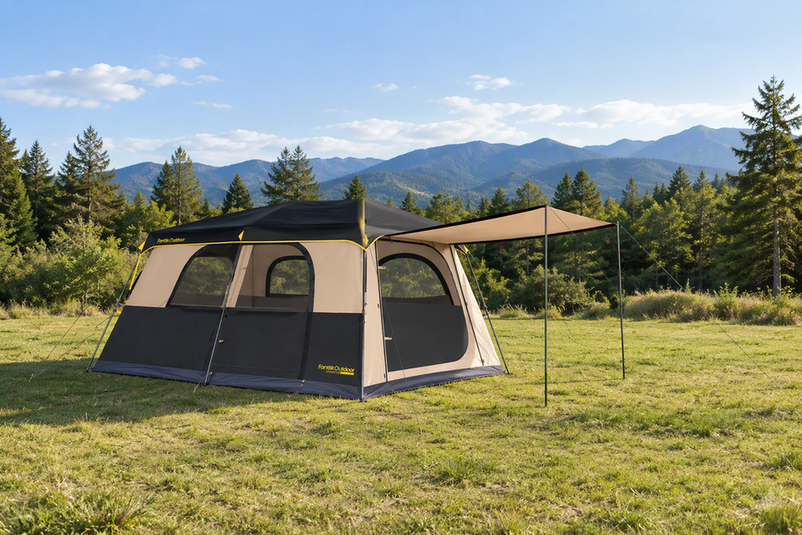 Campsite Drainage Selection: How to Pitch a Tent to Prevent Water Pooling
A step-by-step guide to choosing a campsite that drains well, checking the tent footprint, and knowing when rising...
Campsite Drainage Selection: How to Pitch a Tent to Prevent Water Pooling
A step-by-step guide to choosing a campsite that drains well, checking the tent footprint, and knowing when rising...
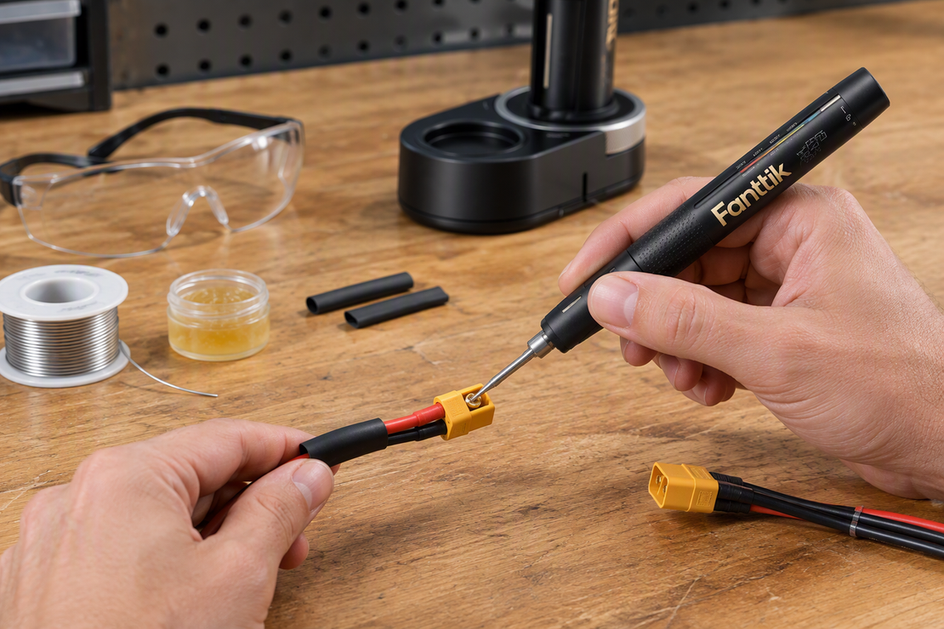 How to Solder XT60 Battery Connectors Without Melting the Plastic Housing
A technical walkthrough of XT60 soldering temperature, tip setup, and a step-by-step 12 AWG joining sequence that avoids...
How to Solder XT60 Battery Connectors Without Melting the Plastic Housing
A technical walkthrough of XT60 soldering temperature, tip setup, and a step-by-step 12 AWG joining sequence that avoids...
Leave a comment
This site is protected by hCaptcha and the hCaptcha Privacy Policy and Terms of Service apply.