












































An instant tent goes up fast, but that speed won't keep it cool. In summer, what matters is airflow and keeping direct sun off the fabric. Use the vents and openings your tent was built with, and choose shade when your campsite has it.

Know where the tent stops helping. If extreme heat is in the forecast, or it gets too hot to stay inside, stop adjusting the tent and move to a cooler place.
Use Shade and the Tent's Designed Ventilation
A 60-second setup only tells you how quickly the tent goes up. It says nothing about heat. Ventilation and shade are separate features, so the steps below matter more than how fast you pitched the tent.
- Open the vents your tent has. Outdoor guidance from the Washington Trails Association says to open existing vents and pitch for airflow, positioning the tent so a breeze can flow through when the layout and site allow it. That source ties these steps to moving moist air out and preventing condensation. It doesn't measure lower temperatures in hot weather, so treat better airflow as the benefit you can count on.
- Pick shade when you have a good spot. Pitching where the tent stays out of direct sun is worth trying when the site is otherwise suitable. Notice how the inside feels as the sun moves during the day, and move your plans around that.
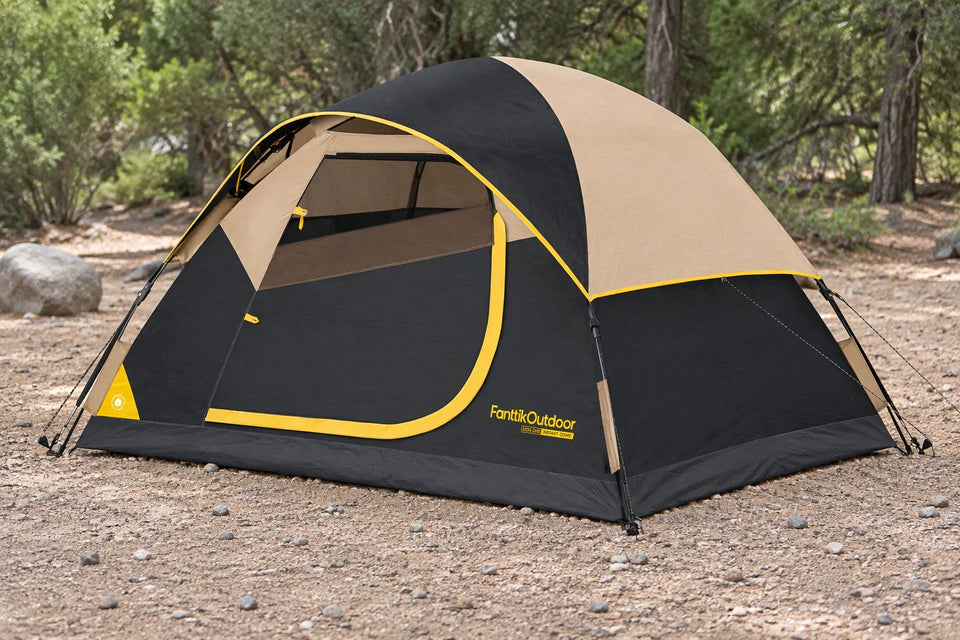
- Follow your tent's own instructions. Instant tents use different combinations of doors, mesh windows, floor vents, and rainflies. Before you open, roll up, or remove any part, check the manual for your exact model. If your tent is one of ours, the specs page for the Zeta C8 Pro tent or the Zeta C6 Pro tent shows which openings your model has.

When Shade and Ventilation Aren't Enough
When the heat is extreme, shade and vents can't make it safe to stay in the tent. The National Park Service advises campers to change plans if extreme heat is forecast by shifting activities to cooler hours or another day. If conditions become dangerously hot once you arrive, switch to your backup plan or turn back instead of pushing through.
Your backup plan should include a cooler place to go, not just a different spot in the tent. In extremely high temperatures, the CDC recommends that you use or find air conditioning. Neither agency gives a tent-specific temperature for when to leave. Go by the forecast and how conditions feel, and know where the nearest air-conditioned building is before the hottest day of your trip.
FAQs
Can opening both tent doors improve airflow?
Yes, if your tent has two doors. The same trail guidance says that a tent with two doors lets air move through the inside when both vestibules are open. That creates a path for air to flow straight through. The source doesn't promise it will lower the temperature, and a tent with one door can't make that cross-path.
When should I schedule an outdoor activity during hot weather?
For park activities, the NPS lists before 10 a.m. or after 4 p.m. as the coolest times of day. Plan hikes and other hard activity for those hours. Use the hottest part of the afternoon for your backup plan.
How can I find an air-conditioned place nearby?
The CDC suggests a few ways to find a place with air conditioning: dial 2-1-1, use the Cooling Centers by State page from the National Center for Healthy Housing, or contact your local health department or emergency management agency. Look this up before your trip so you aren't searching after it gets too hot.
Continue reading
 A Pressure Washer on an Apartment Balcony: Check Drainage and Rules First
Find out where balcony runoff goes, what your lease and local stormwater rules allow, and when limited space...
 Do You Need a Tent Footprint on Rocky Ground? Fit It Without Trapping Water
Find out when rocky ground calls for a footprint, how to keep its edges from collecting rain, and...
Leave a comment
This site is protected by hCaptcha and the hCaptcha Privacy Policy and Terms of Service apply.