












































You don't need a tent footprint at every rocky campsite. It makes sense when the ground is highly abrasive, because it adds a layer that takes some of the wear before the tent floor does.

If you use one, keep the whole footprint under the tent floor so no edge sticks out and catches rain. A footprint can't fix a sharp or unsafe pitch. If the ground is the real problem, move the tent.
When Is a Tent Footprint Worth It on Rocky Ground?
The Appalachian Mountain Club says a footprint under the tent protects against abrasion and general wear, and that it's probably a good idea on highly abrasive surfaces. On softer ground, AMC says a footprint is generally not necessary. If you're trying to keep pack weight down, it's also one of the first items worth leaving behind.
That gives you two questions to ask. First, how rough is this exact surface? Second, how much do the extra ounces matter? Say the pitch is usable but covered in gritty, scraping rock and you're car camping. A footprint is easy to justify there. If the surface is more forgiving, or every ounce counts on a backpacking trip, skipping it is a reasonable call. Either way, a footprint adds a wear layer. It doesn't make the floor puncture-proof. For more on deciding outside rocky sites, our broader footprint guide covers other conditions.
How Do You Fit a Footprint Without Catching Water?
Keep the entire footprint slightly smaller than the tent floor and tuck in any extra material so rain dripping from the fly cannot pool on it. Then, verify that no edges are exposed before staking down.
- Use a footprint sized for your tent when you can. AMC describes tent footprints as cut to match the tent floor and placed underneath it. A matched footprint leaves little or no extra material sticking out.
- Lay it down first, then set the tent on top. Line up the corners so the footprint sits inside the outline of the tent floor.
- Tuck in any overhang. If you're using an oversized groundsheet, the Bureau of Land Management says to tuck material beyond the floor underneath so it won't collect rainwater. When you're done, no groundsheet should be visible around the edges.
- Check between the layers. Washington State Parks advises that you check for water between the layers, meaning between the footprint and the tent floor. If you find water there, look again for exposed edges and check whether the tent is sitting in a dip.

When Should You Choose a Different Pitch?
Choose a different pitch whenever the ground has unmovable sharp rocks or sits in a low, flood-prone depression. A footprint protects only against general abrasion and cannot make an inherently sharp or uneven site safe for your tent floor.
Campsite selection and floor protection are separate decisions. The National Park Service says an ideal tent spot is on level ground that is not low, and the BLM's setup steps start with choosing a site free of debris.
Before you lay anything down, walk the spot and clear loose rocks and sticks that come up easily. If sharp edges are still there afterward, or the spot is sloped or sits low where water could collect, don't count on the footprint to make up for it. Find another pitch, then decide whether this new ground is abrasive enough to need a footprint.
FAQs
How do you keep a grommeted footprint attached while pitching?
AMC suggests placing the footprint grommets above the tent-body grommets. That way you attach the footprint first on the pole tip, then the tent body. The footprint stays attached if you pick up or shift the tent to find a better spot.
Can you make your own tent footprint?
Yes. AMC says you can cut material to match the tent using a tough, lightweight material or fabric, and it names Tyvek as a good choice. It costs less than a store-bought footprint, but you give up the handy attachment grommets. Cut it to the floor shape so there's no overhang to tuck in.
Can you use a tarp instead of a tent footprint?
Washington State Parks lists a tarp beneath the tent as an option for keeping ground moisture away. Most tarps aren't cut to your tent's shape, so fold or tuck the extra material under the floor. After setup, check that no water is collecting between the tarp and the tent.
Continue reading
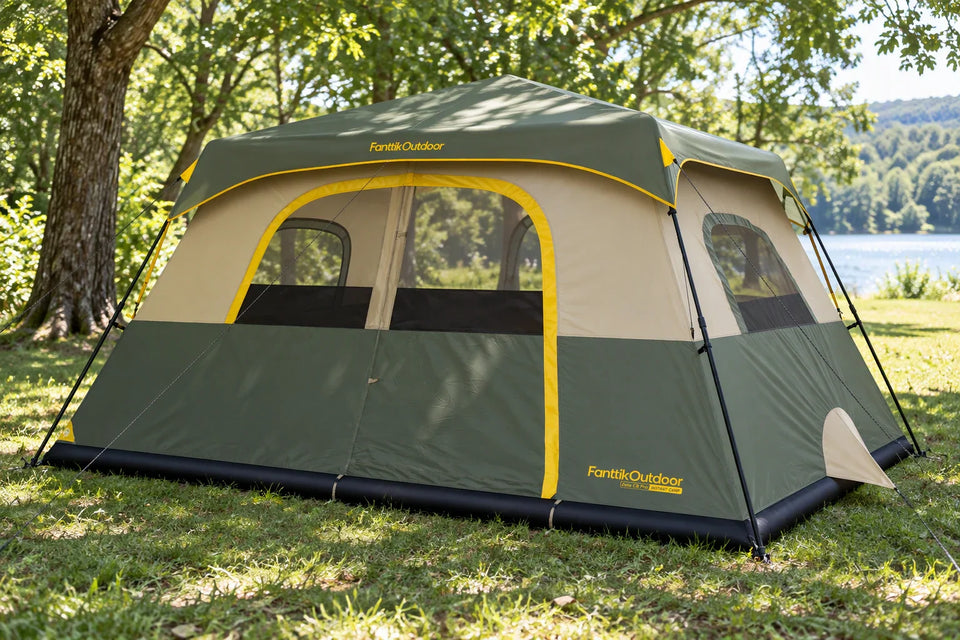 Camping in Hot Weather: Ventilation and Shade for an Instant Tent
Practical steps for a cooler instant tent in summer: open designed vents, pitch for a breeze, choose shade,...
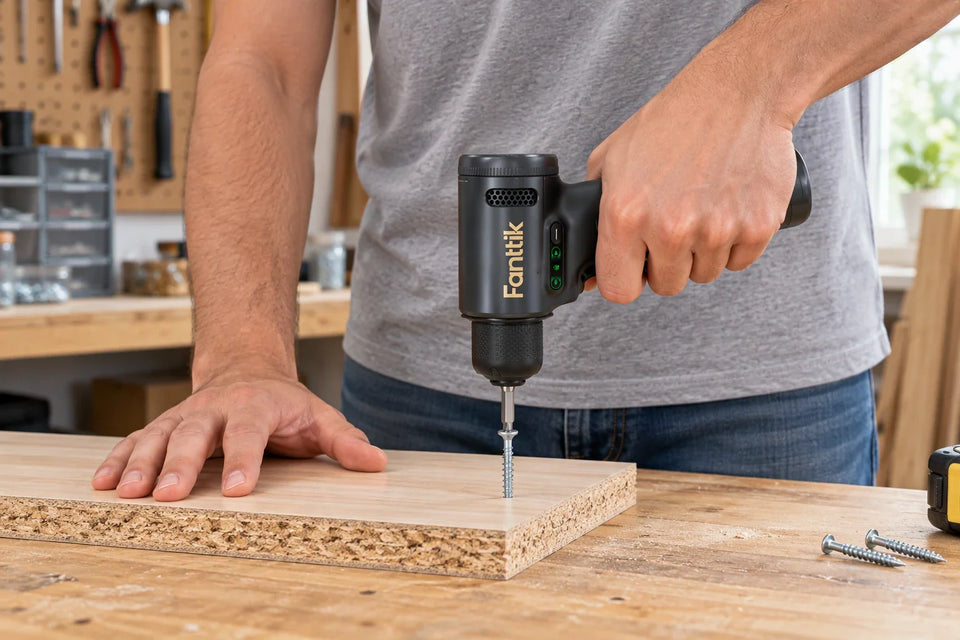 Using a Drill Clutch for Furniture Assembly: Start Low and Test on Scrap
A step-by-step method for driving furniture screws with a drill/driver clutch, from bit fit and scrap tests to...

Leave a comment
This site is protected by hCaptcha and the hCaptcha Privacy Policy and Terms of Service apply.