










































Start your camping coffee setup with the campsite. First confirm the booked site's water, power, allowed heat source, and disposal rules. Then pick a brewer you can run with those resources, count the mugs you'll actually fill, and pack for the cleanup after the last cup.

If the site is missing something your brewer needs, you have two choices. Carry that resource in, or switch to a method that doesn't need it. Make that call at home, not at the picnic table.
Confirm Your Campsite's Water, Heat, Power, and Disposal
Check the exact site or loop you booked, as amenities can change between sections of the same campground. At Gulf Islands National Seashore, for example, the NPS lists loop amenity differences: the E loop has power and water hookups, while the B loop has no campsite hookups and uses centralized water. Because of those loop differences, two campers at the same park can need very different coffee kits.
Build a one-page plan card from the campground's current site listing and rules:
- Water source. Write down where usable water comes from: a hookup at your site, a shared spigot, or nothing. If there's no water, carry in enough for brewing and cleanup.
- Electrical access. Record whether your site has power. A water hookup doesn't mean you have power, and a campground-wide "electric sites" note may not cover your loop. No confirmed power means your brewer must run on its own battery or on a non-electric heat source.
- Permitted heat source. Check the site's current rules for stoves and fires on the dates of your trip. If the heat source you planned isn't allowed, change the method before you pack.
- Brewer requirements. Read your brewer's own instructions for water fill, hot-water use, and any power or charging needs. Write them on the card next to the site resources so you can spot gaps.
- Mugs per morning. Note how many people are drinking and how many cups each.
- Disposal route. Find out where grounds, filters, and wastewater go. At developed campgrounds, Leave No Trace's developed-campground disposal advice is to contact the campground host for the best practice. Use the site's answer here, not a backcountry method.
Any line left blank tells you what to carry or what to change.
Choose a Brew Method That Fits the Trip
Pick a method only after you know the resources it needs are on your plan card. REI's hot-water brewing steps for French press, pour-over, and AeroPress all start with hot water. So each one also needs a way to heat that water that is allowed at your site.
Keep two things apart: the brewer and the source of heat. A French press doesn't care whether the water came from a camp stove or a kettle at an electric site. Your campsite rules do care.
Use these trip inputs to narrow the choice:
- Hot-water methods. REI lists a coarse grind and a 4 to 5 minute total brew time for French press, a medium grind and 3 to 5 minutes for pour-over, and a fine grind and 2 to 3 minutes for AeroPress. Choose based on the grind you can bring and the coffee you like, then confirm you have a permitted heat source and fuel.
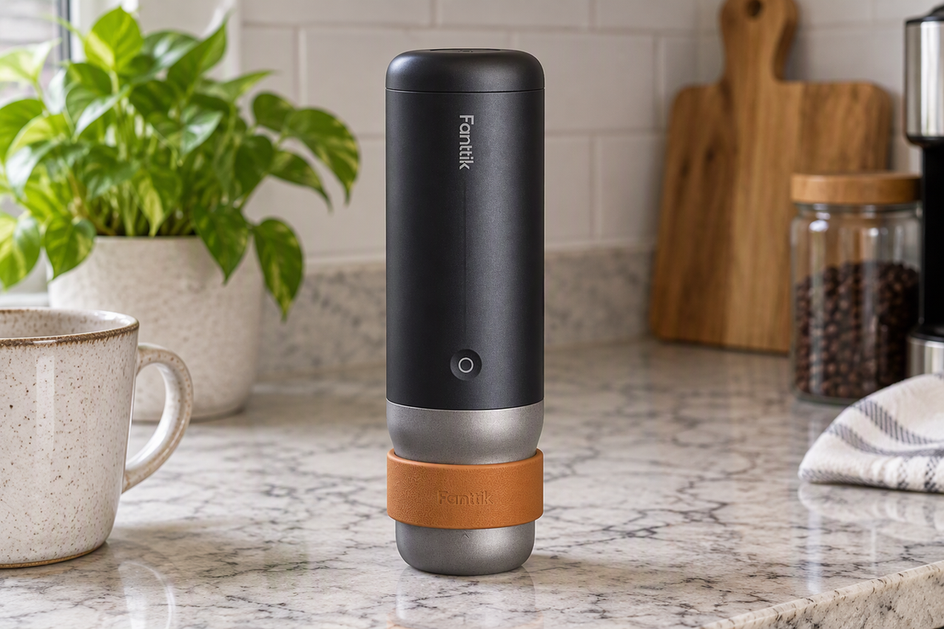
- Electric or self-heating brewers. Follow the model's manual for power input, charging, and water modes. Then match those needs to your plan card. If the manual calls for outlet power and your loop has no hookup, plan to charge before the trip or bring a hot-water method as well.
- Backpacking limits. Choose the method with the fewest required pieces and fuels that fit your planned carry capacity. A simple hot-water pour-over or AeroPress requires only hot water and beans, provided your portable stove and fuel are permitted. Avoid methods that require bulky accessories or heavy carafes unless your pack space explicitly allows them.
- Car camping room. Vehicle access lets you choose bulkier or multi-cup options such as a large French press, percolator, or multi-serving pour-over station, as long as your site's fuel or electric rules support the necessary heating method.

No method wins every trip. The right choice is the one whose needs are already covered on your card.
Match Coffee and Water to the Number of Mugs
Count the mugs you will actually fill each morning, then scale your chosen brewer's recipe to that total. Avoid assuming a standard cup size, since large travel tumblers require far more coffee and water than compact enamel cups.
- Count servings. Multiply people by cups per person by mornings at camp.
- Use your brewer's ratio. REI lists method-specific starting ratios of 1:16 coffee to water for French press and pour-over, and 1:8 for AeroPress. Treat them as a starting point and adjust to taste.
- Keep units consistent. A ratio only works when coffee and water are measured the same way. A 1:8 recipe uses twice as much coffee per part of water as 1:16, so AeroPress drinkers should pack more beans per part of water.
- Scale the whole recipe. If one batch fills two mugs and you need six, plan three batches. Bring the coffee and brew water for all three.
- Add cleanup water separately. Brew water ends up in the mug. Rinse water for the brewer, filter, and pot is a second line on your water plan, and it matters most at sites where you carry water in.
Pack for Brewing and Leave-No-Trace Cleanup
Your coffee setup isn't done until the grounds, filters, and dishwater have somewhere to go. REI points out a filter cleanup tradeoff: a reusable metal or cloth filter means less to pack, but you need enough water to clean it. With disposable filters, you pack out the used filters and grounds.
Pack the cleanup kit next to the brewer:
- Grounds and filter bag. Bring a sealable container or bag for used grounds and disposable filters. Both leave camp with you.
- Filter rinse water. If you bring a reusable filter, add its cleaning water to the cleanup line on your water plan.
- Wastewater container. Bring a pot or another container to collect dishwater so you're not rinsing gear straight at a spigot or stream.
- Fine mesh strainer. This is for trips where you'll handle dishwater yourself.
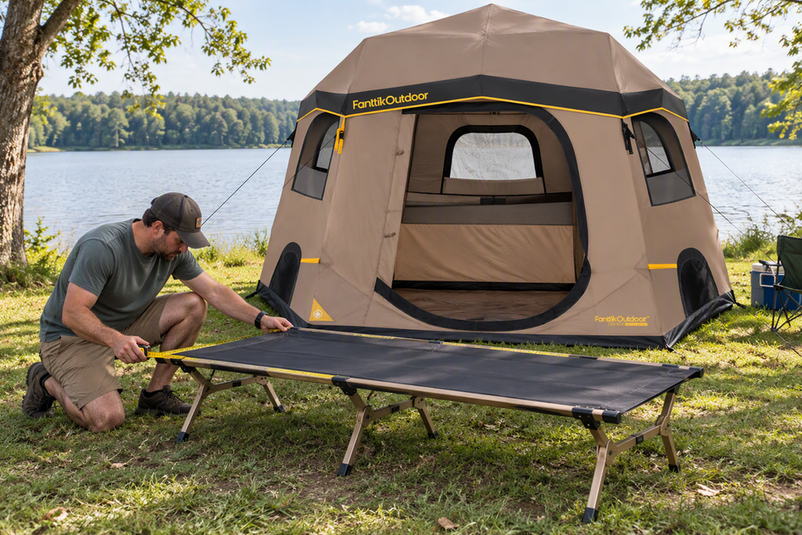
- Flat brewing surface. If the site has no picnic table, a folding camp table gives the brewer and hot pot a level place to sit.
How you dispose of the water depends on where you camp. For backcountry trips, Leave No Trace's backcountry dishwater steps are to collect the water and take it to a wash site at least 200 feet from water sources. Strain it with a fine mesh strainer, scatter it broadly, and pack out what the strainer catches.
Developed campgrounds may handle it differently. Leave No Trace's guide to conditional grey-water disposal options says to check local regulations or ask campground staff. It notes that some campgrounds direct campers to a dedicated utility sink, and others have grey-water disposal units. Where those facilities aren't available, the guide describes carrying grey water at least 200 feet from camp and water and scattering it widely. If your campground gives its own instructions, follow those.
FAQs
Can I scatter or bury used coffee grounds at camp?
Plan to pack them out. REI's camp coffee guidance says to pack out disposable filters and grounds. Leave No Trace's backcountry dishwashing steps also say to pack out what the strainer catches, rather than leaving it at the wash site. A sealable bag or container keeps wet grounds from leaking into the rest of your gear.
Does centralized water mean I can skip carrying water?
Not entirely. Centralized water is a shared source, not a hookup at your site. The NPS listing for the B loop at Gulf Islands National Seashore describes exactly that setup. You'll still need a container to bring brew water and cleanup water back to camp, so pack one even if you don't carry your full supply from home.
What if my electric brewer needs charging and my site has no power?
Charge it fully before you leave, using the method in the model's manual. Then plan your mornings around the brews you can make on that charge. If the manual's charging source won't be available during the trip, pack a hot-water method and a permitted heat source as backup so a dead battery doesn't end your coffee.
Should I bring a backup brewing method?
A backup makes sense when your main brewer depends on one resource you can't confirm, like outlet power or a stove that may face fire restrictions. Pick a backup that uses a different resource from your main one. If both rely on the same missing resource, the backup won't help.
Continue reading
 Can One Mini Electric Pump Support a Group Ride?
Plan shared inflation for a group ride by counting tires and likely top-ups, reading exact-model capacity claims, and...
 How to Choose a Drill Bit for the Hole You Need
A practical guide to picking a drill bit by first defining the hole's purpose, then the screw and...
Leave a comment
This site is protected by hCaptcha and the hCaptcha Privacy Policy and Terms of Service apply.