




























A tent footprint should sit slightly smaller than your tent floor, with no edge sticking out past the floor's outline. That single rule prevents the most common way a footprint backfires: rainwater running along an exposed edge and pooling under your floor instead of sliding past it. Get the sizing and staking right, and a correctly chosen campsite handles the rest.
How Small Should a Tent Footprint Be?
Compare the ground cloth to your tent's floor, not the rainfly or a general-purpose tarp. Anything wider than the floor becomes a rain-catching lip once you're pitched.
Match the Ground Cloth to the Tent Floor
The tent floor is the boundary that matters. If you're using a footprint made for your specific tent model, lay it out and pitch the tent directly over it as the instructions describe. A footprint should be slightly smaller than the tent floor so it stays tucked under the tent instead of poking out into the rain. A generic tarp or universal ground cloth won't automatically match your floor's shape, so plan to fold or trim it down until every edge lands inside that boundary. There's no single inch measurement that works for every tent, since floor dimensions and shapes vary by model.
Checks Before Using a Generic Ground Cloth
Before you trim or fold a generic cloth, run through these checks:
- Compare the floor's shape and dimensions to the cloth, not just the overall footprint area.
- Look for any documented corner loops or attachment points on your tent, and confirm the footprint or cloth won't interfere with them.
- Check the material and care instructions for your specific tent and footprint before cutting or folding, since coatings and seam treatments vary by product.
Exact attachment layouts and material limits depend on your tent and footprint documentation, so treat these as verification steps rather than universal specs.
Why Does a Tent Footprint Cause Water Pooling?
A footprint that's sized correctly stays inside the tent floor's outline on purpose. Once any part of it sticks out, it stops protecting the floor and starts working against you.

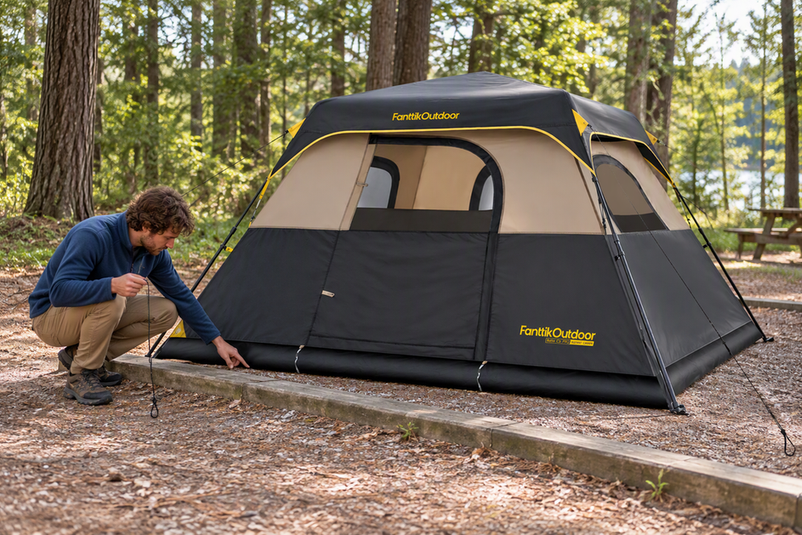
Rain hitting an exposed section of ground cloth doesn't just run off the side. An exposed footprint edge can catch rainwater and channel it into the gap between the cloth and the tent floor, where it collects instead of draining away. This is why extra coverage isn't a bonus: a wider cloth just means a longer edge available to catch water. The practical test is simple. After you've pitched the tent over the footprint, walk the full perimeter and look for any cloth visible beyond the tent's edge. If you can see it, tuck or refold it under before the next rain, rather than assuming a little overhang is harmless.
How to Position and Stake a Tent Footprint
Setting up correctly means working through the site, the cloth, and the tent in order, then checking the result before rain arrives. Follow this sequence:
- Clear the site of sticks, rocks, and other debris that could puncture the footprint or create gaps under it.
- Lay out the footprint and orient it to match the tent's shape and door placement.
- Pitch the tent directly over the footprint and align the floor edges with the cloth underneath.
- Remove slack and tuck or refold any edge of the cloth that still shows beyond the tent floor.
- Stake the tent system, clearing debris and staking the tent corners according to the tent's own instructions; if it's windy, secure the corners first before the rest of the stakes.
- Walk the entire perimeter one more time and correct any edge that has shifted back into view.
If you're setting up in gusty conditions, our guide on staking a tent in wind covers angle and tension adjustments that keep corners from pulling loose mid-setup. For securing guylines cleanly once the tent is staked, a reliable knot for tent lines holds better than a basic loop and comes undone easily when you pack up.
When Can a Footprint Not Fix Drainage?
A correctly sized, correctly staked footprint still can't fix a bad location. If the ground itself channels or collects water, the cloth has nothing to do with the outcome.
Choose Level Ground, Not a Low Spot
Site selection happens before the footprint goes down. Look for level, higher ground instead of a low spot, and steer clear of ravines, shallow depressions, or any area where water collects. A footprint reduces contact between your tent floor and the ground; it doesn't redirect where rain naturally flows across a site.
Separate Fit Problems From Site Problems
When you find water under the tent after rain, figure out which category you're dealing with before you change anything:
- Cloth visible beyond the tent floor's edge: a fit problem, corrected by tucking or refolding the exposed section.
- Water sitting in a noticeable low spot under or near the tent: a terrain problem, not something the footprint caused.
- Water arriving from one direction in a steady trickle: a runoff path, meaning the site itself is collecting drainage from higher ground.
If the cause is terrain, move the tent to better ground next time rather than adding more tension to the stakes or another layer under the floor.
What Should You Recheck After Rain?
Once the rain stops, do a quick check before you assume the setup performed well or before you pack anything away.

Walk the perimeter again and confirm the footprint hasn't shifted so that any edge now extends past the tent floor; wet ground and foot traffic can nudge a cloth out of position during the night. Rainfly fabric stretches when it gets wet, so retension the fly rather than relying on how tight it was when you first pitched. For drying, cleaning, folding, and checking attachment points afterward, follow the care instructions that came with your specific tent and footprint, since materials and coatings differ between products. If water still shows up under the floor after these checks, go back to the edge-versus-terrain diagnosis rather than simply staking everything down harder.
FAQs
Can staking the footprint tighter fix water pooling underneath the tent?
No. Tighter staking pulls the tent floor and footprint closer together, but it doesn't fix an exposed cloth edge or a low, runoff-prone site, which are the two supported causes of pooling. Check the perimeter for any visible overhang first, and if the ground itself is collecting or channeling water, relocate the tent instead of adding more tension to the stakes.
What should you do if a generic footprint extends beyond the tent floor?
Fold or trim the edges inward until every side sits completely under the perimeter of the tent floor. Leaving an exposed border allows falling rain and fly runoff to gather on the cloth and seep underneath your shelter.
Can a tent footprint keep your floor dry in a flooded depression?
No. A footprint protects against abrasion and ground moisture, but it cannot block standing water or divert surface runoff. If your campsite sits in a low depression or natural drainage path, you must relocate the tent to higher, well-draining ground.
Continue reading
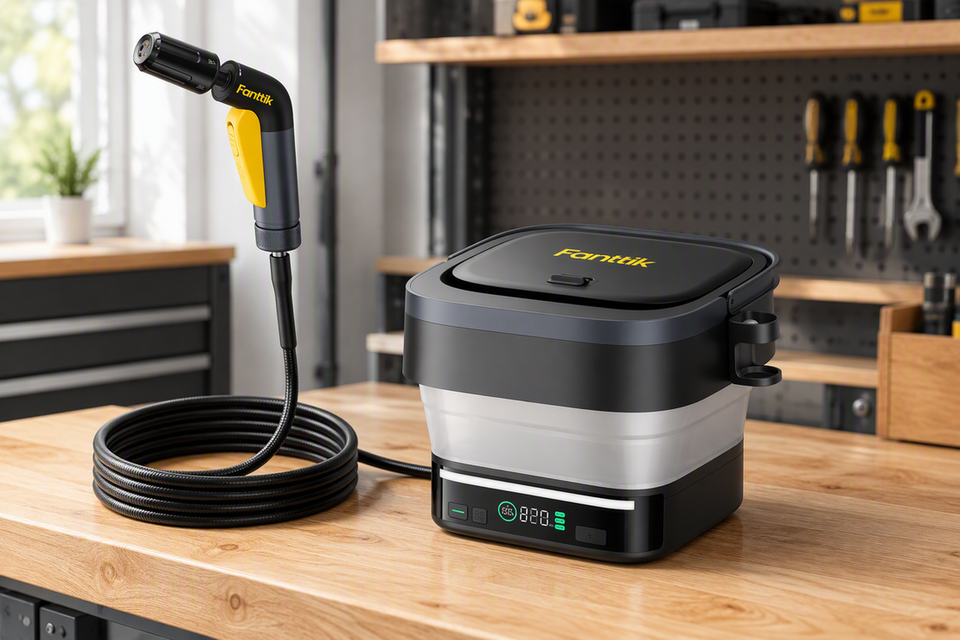 Cordless Battery Pressure Washer Buying Guide: Siphon Power, PSI, and Portability
A practical framework for matching a cordless pressure washer's water source, pressure, flow, and runtime to your actual...
Personal Electric Mobility Guide: Comparing Hoverboards, Motor Power, and Battery Range
This guide separates hoverboard motor, speed, battery, and range specs, then walks through the UL 2272 documentation checks...
Cordless Battery Pressure Washer Buying Guide: Siphon Power, PSI, and Portability
A practical framework for matching a cordless pressure washer's water source, pressure, flow, and runtime to your actual...
Personal Electric Mobility Guide: Comparing Hoverboards, Motor Power, and Battery Range
This guide separates hoverboard motor, speed, battery, and range specs, then walks through the UL 2272 documentation checks...
Leave a comment
This site is protected by hCaptcha and the hCaptcha Privacy Policy and Terms of Service apply.