












































For a scent-sensitive passenger, the safest default is no added fragrance at all. Clean out whatever is causing the odor first. Then ask the passenger what they want before you use any scent.

Some passengers will agree to a specific scent. In that case, consider only a removable, low-intensity option that you can stop quickly. If they say no or aren't sure, keep the cabin unscented.
Should You Add Fragrance for a Scent-Sensitive Passenger?
The passenger's preference decides this, not the scent label and not what you like. Ask before the ride starts: "Would you rather the car have no added scent?" If they say yes, are unsure, or haven't agreed to one specific scent, leave car air fresheners out of the cabin.
Only consider a scent if the passenger agrees to try that specific product. Even then, think of it as a short trial they can end at any time. A gentle product still can't promise that a passenger won't react. EPA notes that air fresheners can release pollutants indoors. So adding fragrance is not the same as cleaning the air.
Address the Odor Before Adding a Scent
Fragrance covers a smell. It doesn't remove what's causing it. EPA's source-control guidance says getting rid of a pollution source, or cutting down what it gives off, is usually the most effective way to improve indoor air quality. EPA also calls source control the most effective fix for most indoor air problems at home. That guidance is written for homes, but the same practical logic works in a car: find the cause before you add anything.
Take a lingering spill smell. Hanging a scent over it leaves the spill in place and adds a second smell your passenger may not want. Pull out the floor mats and clean them. Our guide to deep cleaning removable car mats covers that process. Check hidden spots too, such as spills under child seats. If pet hair or debris is part of the problem, vacuum pet hair from seats. Once the source is gone, you may decide you don't need a scent at all.
Keep Any Agreed Trial Easy to Stop
If a passenger agrees to test a scent, pick a product with clear low-output controls and removable parts so you can end the trial immediately if discomfort occurs.
- Choose a product with clear directions. Its own instructions should explain how to use it at a low setting or amount and how to turn it off or take it out. If the directions don't cover both, skip that product.
- Follow those directions exactly. Start at the low setting or amount the instructions describe. Use the stop or removal method they give, and don't improvise your own.
- Stop as soon as the passenger objects. Turn it off or remove it the way the directions say. The trial is over, even if the scent seems faint to you.

FAQs
Does a low setting mean a passenger will tolerate the scent?
No. A low setting still adds fragrance. It lowers the product's output, but it can't tell you how one particular person will react. You still need the passenger's agreement first.
Is a "natural" or "clean" scent automatically a better choice?
No. Words like "natural" or "clean" describe how a product is marketed. They don't replace asking the passenger whether they're okay with that specific scent.
What if the passenger changes their mind after the ride starts?
Stop the trial right away. Turn the product off or remove it following its own directions. Agreeing to a trial doesn't lock anyone in, so treat a change of mind the same as a "no" from the start.
Continue reading
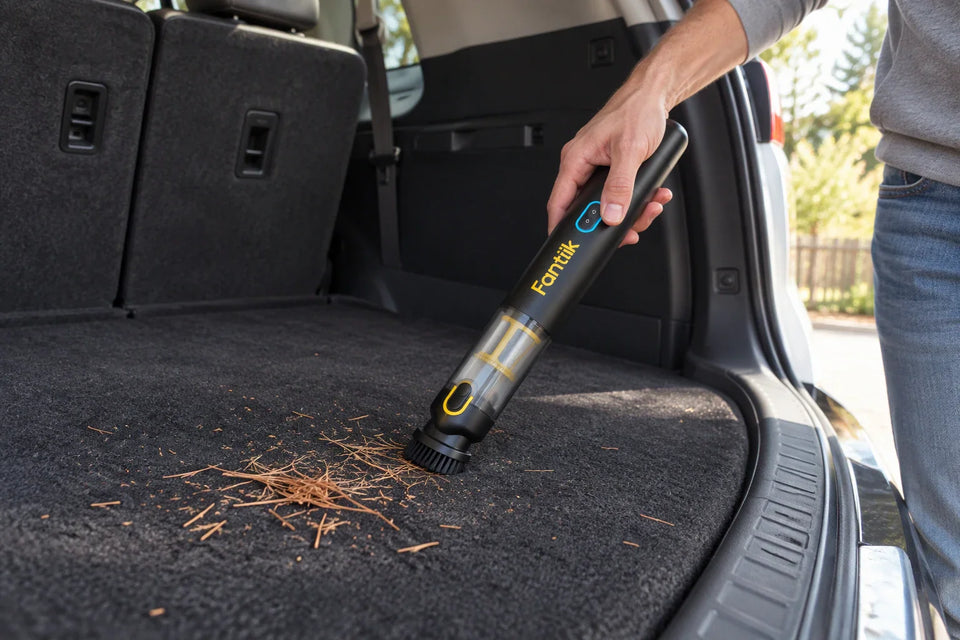 How to Vacuum Pine Needles From a Car After Camping
An ordered guide for vacuuming loose pine needles from cargo floors, carpet edges, and floor mats after camping,...
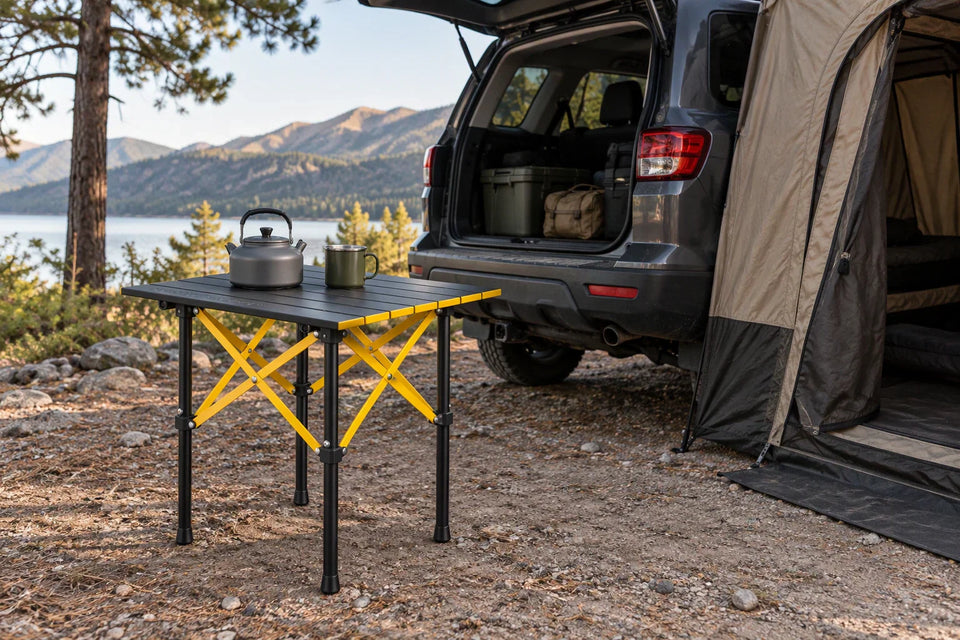 Where to Set Up a Coffee Station at an SUV Tent Campsite
Put camp coffee on a level table off to the open side of your SUV and tent. Keep...

Leave a comment
This site is protected by hCaptcha and the hCaptcha Privacy Policy and Terms of Service apply.