












































To clean a car polishing pad between detailing jobs, wash out the compound and polish residue with the method the pad's maker lists for that material. Rinse it where the directions say to, then let it air-dry all the way through. Don't move a pad that is still loaded with product or still damp onto another surface.
Polishing pad cleaning is not the same for every pad. Foam, microfiber, and wool each have their own options and limits. The steps below follow Lake Country's published instructions for those three materials. If your pads come from another maker, use that maker's care directions.
How to Clean a Polishing Pad Between Jobs
To clean a polishing pad between jobs, choose a cleaning method that matches the pad's specific material and manufacturer instructions. Removing built-up residue is essential, as Lake Country's pad-care guidance warns that a dirty buffing pad used on a clean surface can create more defects than it removes.
Polish-saturated pads also require more passes to do the same work. Thorough cleaning protects the finish on the next vehicle and keeps detailing passes efficient.
Lake Country gives two more reasons to clean pads during the detailing process. First, cleaning removes leftovers from your last project, so you don't carry old compound or debris to the next panel. Second, pads that are cared for properly last longer. Using the right cleaning chemicals can limit material breakdown, which means you replace pads less often. For a busy detailer working on several vehicles, those savings in time and pad replacement add up.

Foam Pads
The Lake Country foam-pad instructions give two washing routes:
- Pad washer: Wash the pad in a System 2000 or System 4000 pad washer with Snappy Clean Boost pad-cleaning powder. Rinse with clean water, then air-dry.
- Washing machine: Wash with the same powder on a gentle cycle. Use cold or warm water only, because hot water can shrink the hook-and-loop (Velcro) backing. Let the pads air-dry.
- Avoid: Pressure washers and high-pressure compressed air. Lake Country says either one can damage foam or shorten its life.

Lake Country notes that proper cleaning can lengthen a foam pad's life. The high-pressure warning is the key difference between foam and microfiber. A blow gun that suits microfiber is the wrong tool for foam, so pick the method by material before you start.
Microfiber Pads
Microfiber pads need regular cleaning to clear built-up polish and fluff the fibers back up. The Lake Country microfiber-pad instructions list three options:
- Compressed air: Blow the pad out with a blow gun or tornado-style tool. You must wear a respirator or dust mask and eye protection. This option applies to microfiber only. Don't use it on foam.
- Pad washer: Wash with Snappy Clean Boost powder in a System 4000 washer, rinse with clean water, and air-dry.
- Washing machine: Wash with the powder on a gentle cycle in cold or warm water, then air-dry.
The cold-or-warm limit has the same reason as it does for foam: hot water can shrink the hook-and-loop backing. Lake Country says fluffing the microfiber after clearing residue gives better performance, so regular cleaning does more than make the pad look clean.
Wool Pads
According to the Lake Country wool-pad instructions, you can clean knitted wool pads with a standard pad brush or a metal pad spur. A spur breaks up compound that has dried in the fibers. Wool pads can also go in a pad washer or a washing machine, but it's your call. Water won't damage the pad, but wool can shrink or change shape once it gets wet, and that can change how the pad cuts.
- Before machine washing: Use a spur to remove all dried residue.
- Wash: Use Snappy Clean Boost powder on a gentle cycle in cold or warm water only, since hot water can shrink wool.
- Dry: Let the pad air-dry.
Lake Country says wool pads are built to withstand washing, and that washing with water won't "damage" them. The concern is performance, not durability. If you do wash wool with water, Lake Country recommends using Snappy Clean Boost powder to break up and clean residue before you rinse the pad fully clean. The pad-washer route for wool uses the same steps as foam: wash with the powder in a System 2000 or System 4000, rinse with clean water, and air-dry.
If you want to keep wool cutting the same from job to job, brushing or spurring between uses avoids water altogether.
When Is a Pad Ready for Another Surface?
A polishing pad is ready for another surface once all product residue is removed and the pad has air-dried thoroughly. Lake Country's drying guidance calls for thorough air-drying before pads are returned to service or stored.
As a practical readiness check, make sure the pad is dry all the way through rather than just on the face. Press firmly into the foam or fibers and check near the backing plate mount. If any part still feels damp or holds spent compound, keep that pad out of rotation and switch to a dry spare. Because drying times vary by environment, verify readiness by physical feel rather than the clock.
Your wash routine also affects other parts of the job. If you're setting up the rest of your workflow, our home car wash setup guide covers wash order and equipment. If you also clean interior trim, our microfiber standards for soft plastics explain how to pre-wash towels.
FAQs
How do I clean a Lake Country pad without a pad washer?
Lake Country's hand-cleaning method uses water and mild dish soap. Knead the pad well by hand, rinse it thoroughly, and let it air-dry thoroughly. This method is listed for Lake Country pads. For wool, remember that water can change how the pad performs.
How many pads can I machine-wash at once?
Lake Country's washer guidance says to wash no more than 10 pads per load. Take them out as soon as the cycle ends. Pads left in the machine after the spin cycle can be damaged or permanently deformed, and overloading the machine can also cause damage.
How should I store a cleaned pad?
Let it air-dry thoroughly first. Then follow Lake Country's storage guidance and store the pads neatly in a sealed, clean container, so dust doesn't settle on them before the next job.
Continue reading
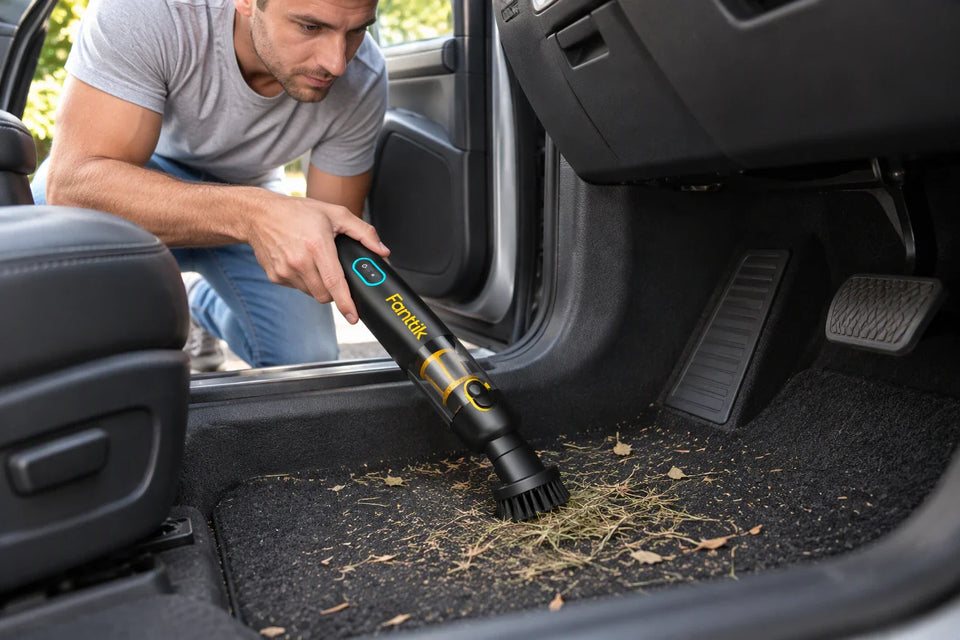 Vacuuming Dry Grass Clippings From a Car After a Sports Game
A step-by-step way to clear dry grass from car mats, carpet, and seat gaps after a game, plus...
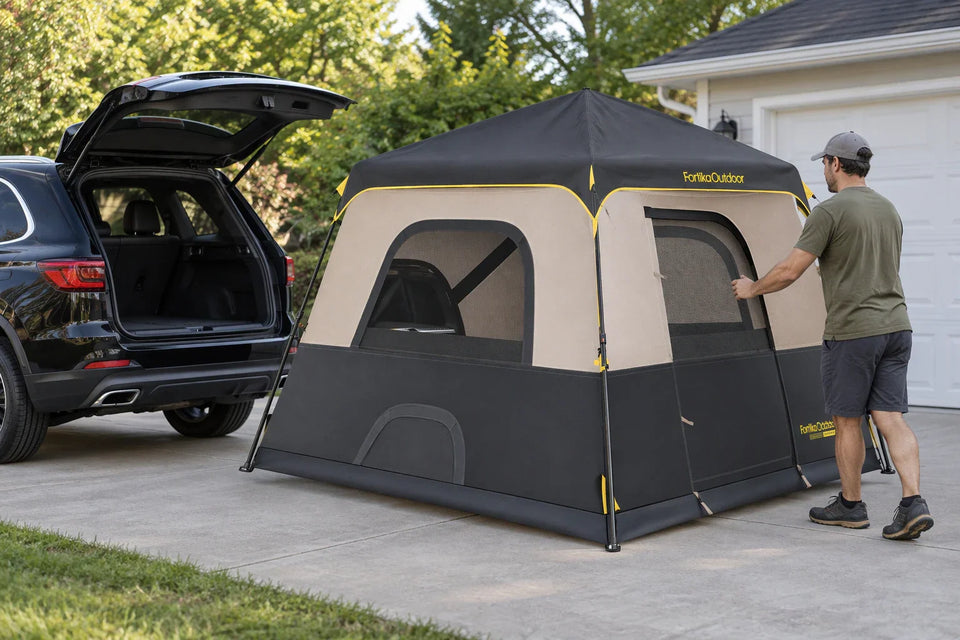 Setting Up an SUV Tent Solo: Plan the Vehicle Connection First
Find out when one person can attach an SUV tent: confirm fit, stage straps and poles before opening...
Leave a comment
This site is protected by hCaptcha and the hCaptcha Privacy Policy and Terms of Service apply.