































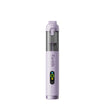










To dry water from car mirror gaps, first make sure your blower's instructions allow outdoor, exterior use. If they do, aim short bursts of air across the visible seams around the side mirror so trapped rinse water runs out. Then blot away the drips with a clean towel.

If the manual doesn't cover this use, or the water seems to come from inside the mirror housing, skip the air. Dry the reachable outer surfaces with a towel and stop there. The steps below cover visible, reachable seams only. They don't cover mirror repair.
How to Dry Accessible Mirror Gaps With a Blower
Mirror gaps can hold rinse water that drips out after you've dried the car. The fix is to push that water out on purpose while you still have a towel in hand. Detailed Image's drying guide suggests blowing out panel gaps, trim pieces, and the areas between mirrors to stop that dripping. Here's how to do it without guessing at settings your tool may not support.
- Confirm your blower is cleared for this job. Open the manual for your exact model. Look at the intended-use section and any warnings about outdoor use, water, or wet surfaces. If it permits exterior vehicle use and you can follow every limit it lists, go ahead. If it prohibits wet or outdoor use, or doesn't address it at all, don't use airflow. Go straight to the towel method in the next section.
- Dry the mirror housing and the door first. Towel off the surfaces around the mirror so they're dry before you start. That way, any new water you see came out of a gap. It didn't just sit on the paint.
- Find the seams you can actually see. Good targets are the edge where the glass meets the housing, the joint where the mirror base meets the door, and any trim line where water beads up. If you can't see where the water is sitting, it isn't an exterior seam target.
- Use the setting and nozzle your manual lists. Use any setting, attachment, or distance the manual gives for this kind of work. If it lists none, choose the gentlest option available. No single distance or power level works for every blower, so don't borrow numbers meant for a different tool.
- Aim across the seam, not into it. Angle the airflow so it sweeps along the gap and pushes water out onto the surface. Don't point it straight into the opening. Work in short passes from the top of the mirror down, since water moves downward as it exits.
- Watch what comes out. You should see water bead up at the seam edge and run onto the housing or door. Blot it as it appears. Once a pass pushes out no new water, move to the next seam.
- Recheck after a few minutes. Look at the lower edge of the mirror and the door below it. If there are no fresh drip lines, you're done. If water keeps showing up, use the next section instead of adding more air.

Some owners dry the mirrors last, after the rest of the car is done. That's a sensible order, because the blower may push out water that runs onto panels you've already dried. Keep a dry towel nearby for that.
When Water Reappears, Use a Towel or Stop
If water is still reachable on the outside, finish with a towel. If it isn't, stop using air. Which one applies depends on where the water comes from:
- Water beads up at a visible outer seam: Switch to a towel-only finish. The same detailing guide recommends lightly dragging or blotting a clean drying towel across the surface, without pressing hard or wiping aggressively. Fold the towel to a clean edge and touch it to the seam line so it wicks up the water. Don't jam it into the gap.
- Drips return after several blower passes and towel blotting: Stop adding air. More air won't help, and it can push water deeper. Blot the surface again, then let the car sit in the shade and check the mirror later.
- Water seems to come from inside the mirror housing: For example, it might show up behind the glass or seep out when you tilt the mirror. This is outside the scope of mirror gap drying. Stop aiming air at it, and don't force water farther into the housing. If it keeps happening after every wash, have a qualified auto shop check the mirror.
- You can't reach or see the water: Treat it the same as internal water. Dry what you can reach and leave the rest alone.
Moving from the blower to a towel, or stopping altogether, is part of the method. It doesn't mean you did something wrong. The goal is a dry exterior seam, not an empty mirror housing.
FAQs
Is there a standard blower distance or setting for mirror gaps?
No. Blowers differ, and no single distance or power level applies to all of them. Follow what your model's manual lists. If it gives no guidance for this use, choose its gentlest option, or dry the area with a towel if the manual doesn't permit exterior use.
Can I use an electric air duster instead of a car blower?
An electric air duster is a different tool from a car blower, so don't assume it can do the same jobs. Use one on a car only if its own instructions cover exterior use around water. Our guide to cleaning keyboards and PC fans shows the same manual-first approach we recommend for dusters. That means taking the settings from the manual, not from a general article.
Why do mirrors keep dripping after I've already dried the car?
Rinse water can sit in the seams around the mirror and slowly drain out after the surfaces look dry. That's why the gaps are worth drying on purpose. If the dripping seems to come from inside the housing instead of an outer seam, stop drying there and have the mirror inspected.
Will a towel alone dry mirror gaps well enough?
A towel dries the outer surfaces and the edges of seams you can reach. It won't pull out water trapped deeper in a gap. Expect a few more drips after you finish, and blot them before they dry on the paint.
Continue reading
 Jump Starter or Jumper Cables: What to Choose for a Dead Battery
A practical guide to choosing jumper cables, a portable jump starter, or roadside help for a car that...
Jump Starter or Jumper Cables: What to Choose for a Dead Battery
A practical guide to choosing jumper cables, a portable jump starter, or roadside help for a car that...
 Car Air Freshener or Odor Removal: What Does the Smell Need?
A two-branch guide for drivers: when a cabin scent fits the goal, and how to trace a lingering...
Car Air Freshener or Odor Removal: What Does the Smell Need?
A two-branch guide for drivers: when a cabin scent fits the goal, and how to trace a lingering...


Leave a comment
This site is protected by hCaptcha and the hCaptcha Privacy Policy and Terms of Service apply.