




















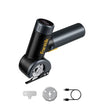


Use a garden hose when you can't confirm that your pressure washer, its nozzle, and the way you plan to use it are allowed by both your vehicle's care instructions and the washer's manual. A pressure washer for car washing makes sense only inside that documented setup. Neither tool wins automatically for every car or every wash.

So the real question isn't which tool sounds more powerful. It's whether you can point to instructions that cover the exact setup you're about to use.
Pressure Washer or Garden Hose: Which Should You Use?
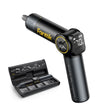
Pick based on what your instructions actually say, not on which tool is closer to the driveway. If you evaluate a portable cordless pressure washer gun or a conventional unit before the car gets wet, you need to answer two questions, and each one comes from a different document.
First, does your vehicle's care guidance permit pressure washing the exterior? The owner's manual usually has a section on washing and exterior care, so look there. Second, does your cordless pressure washer manual describe a setup suited to washing a vehicle? That means the pressure setting, the nozzle or tip, and how you hold the wand.

If both answers are yes and they agree, a pressure washer is a reasonable option for that wash, used exactly as described. If either document is silent, unclear, or says no, the garden hose is your choice for today. Comparing other cleaning tools or coming back to the pressure washer later is fine once you've found guidance that covers your setup.
Owning a pressure washer isn't a reason to use it on a car by itself. A high maximum pressure rating tells you what the pump can produce. It doesn't tell you what your paint, trim, or other exterior parts are meant to handle. No reliable evidence shows that either method cleans an ordinary passenger car better in general, so let the instructions decide.
What Does Each Approach Contribute to a Home Car Wash?
A garden hose gives you a simple, well-documented way to wash a car at home. A pressure washer adds a pump and more settings you have to get right. What the evidence supports is a difference in method, not a proven difference in results.
On the hose side, AAA's hose-based home-wash advice describes a home car wash built around a bucket of suds and a garden hose with a spray nozzle. It also advises washing and rinsing the car from top to bottom so all the soap and grime come off. Here the spray nozzle is your main control. You change the spray pattern and how long you rinse each panel, and the water pressure stays whatever your household supply provides.
A pressure washer changes that picture. The pump raises the water pressure above what the hose delivers, so how hard the spray hits the car now depends on several settings working together:
- the washer's pressure setting or output
- the nozzle or tip on the wand
- how far the tip is from the surface
Two spec-sheet numbers are worth separating here. PSI (pounds per square inch) describes pressure. GPM (gallons per minute) describes how much water flows. A washer can have a high rating on one and a modest rating on the other. Neither number alone tells you how clean the car will get or whether a given setup suits your paint. That's why a headline PSI figure isn't a car-washing setting.
What's missing is a solid head-to-head comparison for ordinary passenger cars. Nothing shows that a pressure washer cleans better, finishes faster, uses less water, or treats the finish more safely than a hose with a spray nozzle. The reverse isn't shown either. If you choose a pressure washer, choose it because your instructions support the setup and it fits how you like to work, not because it's assumed to be better.
When Does the Pressure-Washer Setup Change the Choice?
The choice changes when your instructions do, or don't, cover the specific setup you plan to use. There's no universal PSI, nozzle, or distance that's right for every car. Your two documents set the boundary:
- Both documents allow the setup you plan to use: Pressure wash within that setup only. Use the pressure setting, nozzle, and working distance the washer manual describes for this kind of job, and follow any exterior-care limits in your vehicle guidance.
- Either document is silent, unclear, or says no: Wash with the garden hose and a spray nozzle. Don't fill the gap with a PSI number or nozzle color you read about elsewhere.
Treat pressure, nozzle, and distance as one package. If the manual gives a setting for one but says nothing about the others, you still don't have a documented setup. For example, suppose it lists a tip but no working distance. Moving the tip closer or switching to a narrower nozzle changes how the spray hits the surface, even when the pressure setting stays the same.
Your vehicle guidance can narrow things further. If your car's care instructions single out certain exterior parts or finishes for gentler washing, those areas follow that guidance even when the rest of the body is fine to pressure wash. Where the guidance leaves an area unclear, use the hose on that area.
Switch back to the hose partway through if the setup stops matching what you checked. That includes swapping to a different nozzle, adding an attachment the manual doesn't cover for vehicles, or borrowing a washer you don't have instructions for. Stop and rinse with the hose instead of improvising a setting.
FAQs
Can I use a pressure washer on my car if I don't have an outdoor spigot?
Some portable pressure washers draw water from a built-in tank or from a bucket through a siphon instead of a hose connection. Whether yours can do this, and how, is set by that washer's own water-supply instructions. Our comparison of a water tank vs bucket siphon explains how the two supply options differ for cleaning away from a tap. The car-surface decision still follows your vehicle and washer instructions.
Is cleaning the undercarriage a different decision from washing the paint?
Yes. Clearing salt and grime from underneath the car is a different job from washing painted body panels, with different goals and a different setup. If winter road salt is your main concern, our guide to removing road salt from undercarriages covers that job, including how to check your results and dry the car afterward.
Can I use my regular garden hose as a pressure washer hose?
No. When a pressure washer uses a garden hose, the hose feeds water into the washer's inlet. The line between the pump and the spray gun is a separate high-pressure hose. Replacements have to match the washer's pressure rating and fittings. Our pressure washer hose buying guide walks through material, diameter, and compatibility so you can choose a hose that fits your machine.
Continue reading
 Why Won’t My Car Start After Using a Jump Starter?
A failed jump doesn't name the fault. Sort the symptom, recheck setup with your exact manuals, and know...
Why Won’t My Car Start After Using a Jump Starter?
A failed jump doesn't name the fault. Sort the symptom, recheck setup with your exact manuals, and know...
 Jump Starter or Jumper Cables: What to Choose for a Dead Battery
A practical guide to choosing jumper cables, a portable jump starter, or roadside help for a car that...
Jump Starter or Jumper Cables: What to Choose for a Dead Battery
A practical guide to choosing jumper cables, a portable jump starter, or roadside help for a car that...


Leave a comment
This site is protected by hCaptcha and the hCaptcha Privacy Policy and Terms of Service apply.