































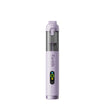






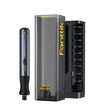
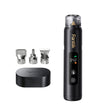


The difference between a Schrader and Presta valve pump adapter comes down to how each valve opens: a Schrader valve needs a head that presses against its internal spring core, while a Presta valve needs its top nut loosened before a slimmer adapter can seat on it. Dunlop and Woods valves need a head that is explicitly listed as compatible, and a ball needs its own needle attachment instead of either tire adapter.
Once you know which valve you're working with, matching the attachment is mostly a lookup problem, not a mechanical one. The rest of this guide walks through identification, the reason the mechanisms differ, and how to attach a brass adapter or air chuck without losing air.
Which Adapter Matches Schrader, Presta, Dunlop, and Ball Valves?
Match the attachment to the valve you actually have, not to the object you're inflating.
- Schrader valve: use a Schrader-compatible pump head or threaded adapter. This is the standard car-tire valve, and it also appears on many bikes and some balls.
- Presta valve: use a Presta-compatible opening or a documented Presta adapter, and loosen the small top nut before you connect anything.
- Dunlop/Woods valve: use a head that specifically lists Dunlop or Woods compatibility. Don't assume a fit just because the stem looks similar to a Presta valve.
- Ball: use a separately documented ball needle or ball attachment. A tire-valve adapter is not a substitute for a needle by default.
Some pump accessories, including an extension hose adapter, list their exact valve compatibility directly on the product page, which is the fastest way to confirm a fit before you buy anything.
How to Identify Each Valve Type
Visual identification comes before adapter selection, and the three valve families look and behave differently enough that a quick look usually settles it.
| Valve type | Visual identification | How it opens | Attachment implication |
|---|---|---|---|
| Schrader | Wide stem, same shape as a car tire valve | Internal spring-loaded pin depressed by the pump head | Needs a Schrader-compatible head |
| Presta | Narrow stem with a small knurled top nut | Manually loosened top nut, then air pressure opens it | Needs a Presta-compatible opening or adapter |
| Dunlop/Woods | Traditional bicycle-valve stem with a replaceable internal core | Core lifts to let air through once the compatible head is seated | Needs a head documented for Dunlop/Woods |
These distinctions match the valve descriptions published by Schwalbe's technical FAQ, which is a useful reference if a stem doesn't match any of the three descriptions below.
Schrader: The Wider Car-Style Valve
A Schrader valve is the wide, car-style stem most U.S. drivers already recognize, and it relies on an internal spring core that a pump head presses against to let air in. It's the standard valve on car tires, and it also shows up on many bikes, so seeing this shape doesn't automatically mean "car only." Any head or adapter labeled for Schrader valves will fit it.
Presta: The Slim Stem With a Top Nut
A Presta valve is noticeably narrower than a Schrader stem and has a small knurled nut at the very top. That nut has to be loosened by hand before any pump connection will move air, regardless of how well the adapter seats. Once it's loosened, a Presta-compatible opening or adapter can be seated and locked for inflation.

Dunlop/Woods: The Traditional Bicycle Valve
A Dunlop or Woods valve is the classic bicycle-valve stem, built around a replaceable internal core that lifts to let air through. It doesn't automatically accept a Presta adapter just because the stems look similar from the outside. A head or adapter needs to be explicitly documented as Dunlop- or Woods-compatible before you rely on it.
Cross-checking a specific pump's documented valve list, such as the compatibility notes on our tire inflator and vacuum combo page, is a quick way to confirm which of these three a given head actually supports.
Why Does the Valve Mechanism Change Adapter Choice?
The three valves need different pump interfaces because each one opens through a different physical mechanism, not just a different shape. A single "universal" chuck only fits every valve if its documentation says so.
Schrader Uses an Internal Spring Core
A Schrader valve stays closed until something presses its internal spring-loaded pin inward. The pump head's job is to depress that pin cleanly while sealing around the stem, which is why a Schrader-specific head is built with that exact interface in mind.
Presta Opens at the Top Locknut
A Presta valve works differently: loosening its top nut is what allows air to move, and the pump connection mainly needs to seal around the slim stem once that nut is open. An adapter changes the physical interface between pump and valve, but it doesn't change the fact that the nut still has to be loosened first.
Dunlop/Woods Needs a Compatible Head
A Dunlop or Woods valve depends on its replaceable internal core lifting when a compatible head is seated. Because that core and seating geometry differ from both Schrader and Presta designs, compatibility should come from documentation rather than a visual guess. For pumps documented to handle more than one of these valve families, our tire inflators page is a place to check which specific units list that certification.
Which Attachment Fits Car, Bike, or Ball Pumps?
The correct attachment depends on the valve you find, not on whether you're inflating a car tire, a bike tire, or a ball.
Car Tires: Start With the Schrader Connection
Most car tires use a Schrader valve, so a Schrader-compatible head or adapter is the starting point for this scenario. Confirm the connection is seated squarely and sealed before you start the pump; a crooked seat is the most common reason a car-tire connection leaks air during inflation.
Bike Tires: Identify the Valve Before Choosing
Bicycles aren't limited to one valve type. A bike tire may use a Schrader, Presta, or Dunlop/Woods valve depending on the wheel and tube, so choose the head from the valve you actually see, not from the fact that it's a "bike." Skipping this step is the most common reason cyclists grab the wrong adapter.
Balls: Use a Separate Needle Attachment
A ball's inflation port isn't a tire valve, so it needs a separately documented needle attachment rather than a Schrader, Presta, or Dunlop adapter. Confirm the needle and its connection are both listed for your specific pump before you try to force a tire-valve adapter onto a ball; the fit isn't the same, and forcing it risks damaging the port or the needle.
How to Attach a Threaded Brass Adapter or Air Chuck Without Leaks
The shortest safe sequence starts with confirming the match, then moves through seating, locking, and inflating while you watch for leaks.
Threaded Adapter Sequence
- Confirm the adapter is documented for both your valve type and your pump.
- Align the adapter threads with the valve threads before turning.
- Thread it on by hand, without forcing or cross-threading.
- Seat the connection straight, not at an angle.
- Check that the seal feels stable before applying air.
- Inflate while watching or listening for an escaping-air sound.
- Release the connection and remove it without twisting against resistance.
Lock-On Air Chuck Sequence
- Place the chuck squarely over the valve, matching it to the compatible type.
- Seat it fully before attempting to lock it.
- Engage the lock or lever exactly as the chuck's own instructions describe.
- Inflate while watching for a visible or audible leak at the seal.
- Unlock the chuck before pulling it away.
- Remove it straight, without twisting or yanking on the valve stem.
Exact thread pitch, gasket type, and lever direction vary by manufacturer, so treat these two sequences as the general order of operations and confirm hardware-specific details against the adapter or chuck's own instructions.
Where Should I Look First When the Connection Leaks?
Start with the simplest mismatch before assuming anything is damaged. Work through these three checks in order.
Check the Valve Match and Seating
Confirm the head or adapter actually names your valve type, and remove and reseat it straight rather than tightening it harder. If the valve is a Presta type, double-check that the top nut was loosened before you connected anything, since an unopened nut can look like a leak.

Inspect Threads, Seals, and Contamination
Look for damaged threads, a worn or displaced gasket, and dirt or grit at the contact surfaces. Clean any accessible contact points, but don't substitute a different seal or adapter unless it's documented for that valve and pump.
Check the Adapter-to-Head Joint
If air is escaping between the adapter and the pump body or hose rather than at the valve itself, inspect that joint for looseness or damage. Stop and address the joint instead of continuing to inflate through a persistent leak; forcing air through an unsecured connection wastes pressure and can damage the hardware further.
Before You Inflate: Pressure and Equipment Limits
Confirm these before you apply any pressure.
- Use the target item's documented pressure, whether that's a tire sidewall rating or a ball's specified range.
- Confirm the specific pump and attachment are documented for both the valve type and the item you're inflating.
- Stop if the attachment can't seat securely, keeps leaking after a correct reseat, or has no documented compatibility with your valve. Don't force a connection that won't hold on its own.
Before turning on your pump, verify the valve type directly on the rim or item, lock the matching attachment squarely in place, and begin inflation only after confirming an airtight seal.
FAQs
What does "universal pump head" actually mean?
"Universal" only covers the valve types the manufacturer explicitly lists, not every valve or ball attachment you might encounter. Check the documented compatibility list before assuming a universal head will work on your valve, and remember that ball needles are usually a separate accessory unless the documentation says otherwise.
Can I use a tire-valve adapter to inflate a ball?
No, a ball needs a needle or accessory that's specifically documented for your pump, not a Schrader, Presta, or Dunlop tire-valve adapter. The port geometry is different, and forcing a tire adapter onto it risks damaging either the port or the adapter itself.
Can a Presta-compatible pump head inflate a Dunlop/Woods valve?
It depends entirely on the head's design and documentation, not on how similar the stems look. Some pump heads are built to cover both Presta and Dunlop/Woods valves, but that has to be confirmed on the specific head's compatibility list rather than assumed from stem shape.
Leave a comment
This site is protected by hCaptcha and the hCaptcha Privacy Policy and Terms of Service apply.