




















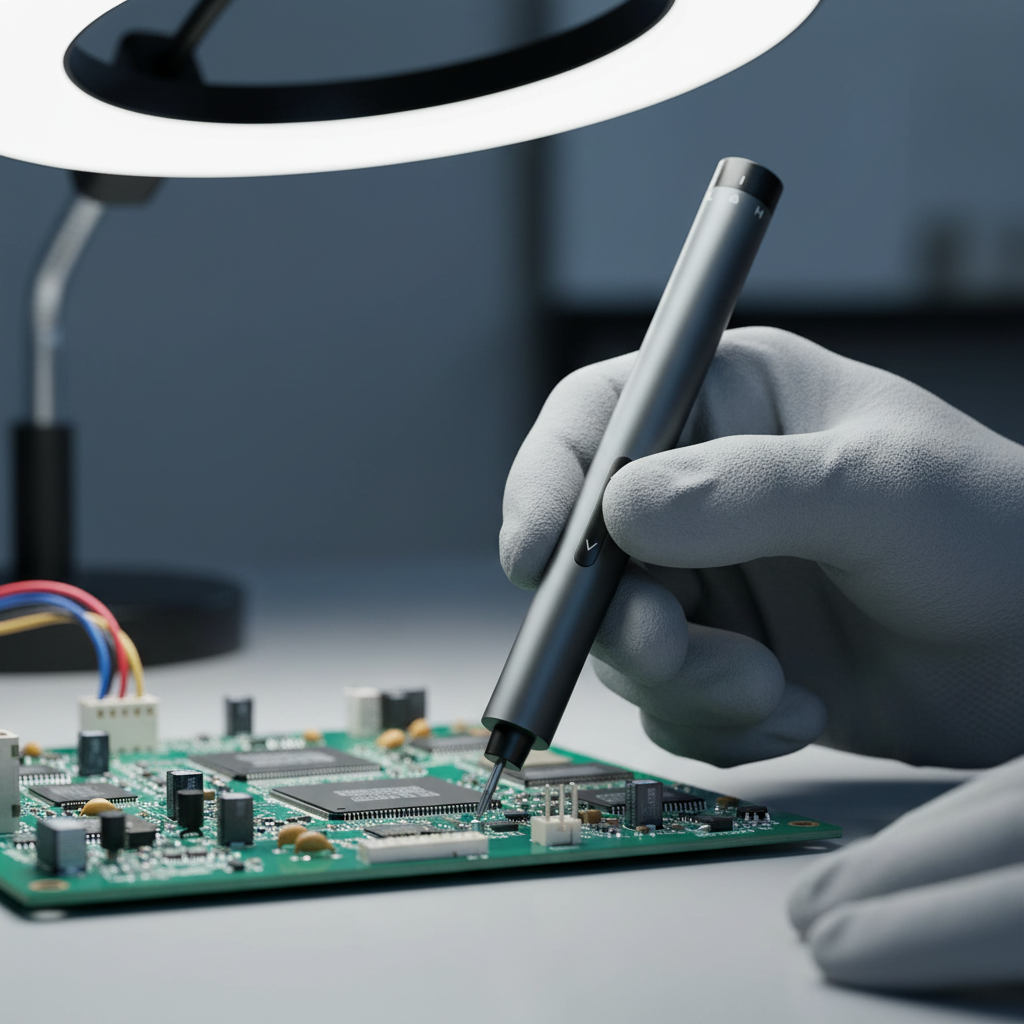
The Challenge of Protective Precision: Why Gloves Matter
In the high-stakes environment of electronics repair and micro-assembly, the margin for error is measured in microns and Newton-meters. Professionals and serious hobbyists often operate under a fundamental conflict: the necessity of wearing ESD (Electrostatic Discharge) or safety gloves versus the inherent loss of tactile sensitivity that those gloves cause. Whether you are navigating the dense circuitry of a modern smartphone or performing delicate automotive trim adjustments, protective gear introduces a physical barrier that can dampen the "language" of your tools.
We have observed on our own repair benches that maintaining control isn't just about the tool's power; it is about the ergonomics of the interface between the gloved hand and the device. When your fingertips are encased in nitrile or polyurethane, the subtle vibrations and "clicks" of a mechanical clutch become nearly imperceptible. This guide examines the technical dynamics of precision-grip workflows and provides a data-backed framework for maintaining professional-grade control while staying protected.
The Biomechanics of the Precision Grip
For intricate work, the choice of tool form factor is the most critical decision a technician makes. Conventional wisdom often promotes a "one size fits all" handle diameter, but ergonomic research suggests otherwise. While a power grip (used for high-torque tasks) benefits from a handle diameter of approximately 33mm, precision work—often referred to as the "tripod pinch" or "pen grip"—requires a much slimmer profile.
Pen-Grip vs. Pistol-Grip Dynamics
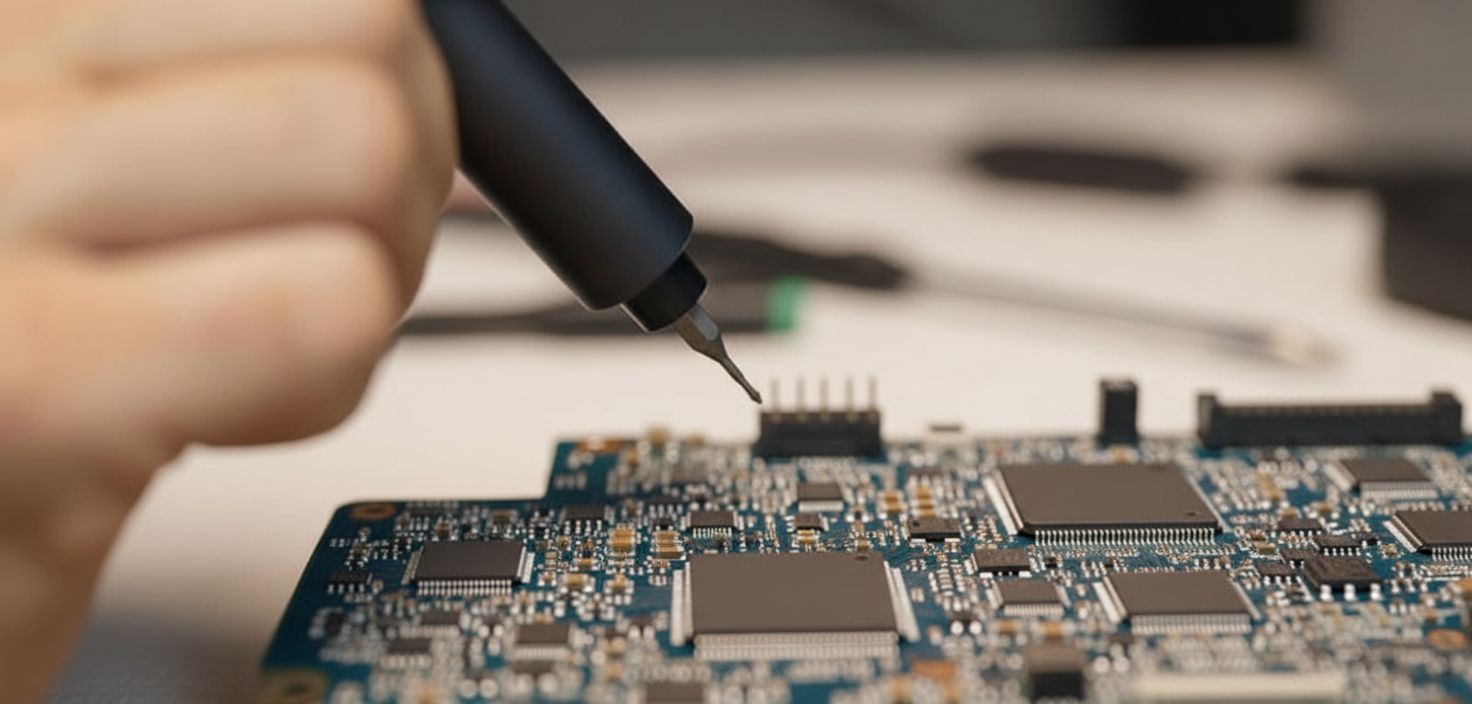
In micro-assembly, we strongly recommend a pen-grip tool with a body diameter between 18mm and 22mm. This specific range allows the thumb, index, and middle fingers to form a stable tripod even when finger sensitivity is reduced by gloves.
A common mistake we see in professional workshops is the use of a pistol-grip tool for board-level work. The wrist pronation (turning the palm downward) required to use a pistol-grip driver on a flat surface often causes the cuff of a safety glove to catch on nearby components. Furthermore, the "overpressure" on fingertips in a pistol grip can prevent the brain from accurately estimating the state of the fastener, a phenomenon noted in tactile feedback studies [3].
Tool Balance and the "Index Finger Test"
For extended sessions, the weight distribution of the tool is just as vital as its diameter. Many integrated battery designs are front-heavy, which forces the technician to apply constant upward finger pressure to counteract "droop." This leads to rapid fatigue and a loss of fine motor control.
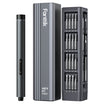
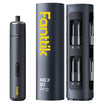
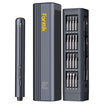
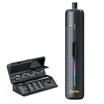
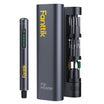
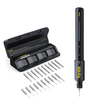
Professional Heuristic: To test a tool's balance, rest it on your index finger. The pivot point (center of gravity) should be located just behind the chuck. A well-balanced tool, like the Fanttik E1 MAX Precision Electric Screwdriver, minimizes the leverage against your fingers, allowing the tool to "float" in a gloved hand.

The Material Science of Sensitivity: Choosing Your Gloves
Not all gloves are created equal when it comes to precision. There is a direct trade-off triangle between chemical protection, tactile sensitivity, and durability [IG2].
Nitrile vs. Polyurethane vs. Latex
- Nitrile: Preferred for its chemical and oil resistance. However, practitioners note that nitrile gloves thicker than 5-mil significantly dampen tactile feedback. For sensitive assembly, we recommend switching to 3-mil nitrile.
- Polyurethane (PU) Coated: These are often the "gold standard" for micro-assembly. The thin PU coating on the palms and fingertips provides excellent grip on slick surfaces without the bulk of full nitrile.
- Latex: Offers superior tactile feedback and flexibility, which is why it remains a staple in surgery and high-precision assembly, though allergy risks must be managed.
Maintaining Grip Integrity
Glove palms often become slick with sweat or oils during a long shift. To maintain positive control without compromising ESD protection, some professionals lightly dust their gloves with rosin. Alternatively, look for tools with matte, textured overmolds. A textured grip area ensures that the tool doesn't rotate within the glove's "slip zone" during high-torque applications.
According to the EU General Product Safety Regulation (EU) 2023/988, ensuring the safety and reliability of tools used in these environments is not just an ergonomic preference but a compliance necessity for professional workplaces.
Modeling the Impact: Efficiency and Safety Data
To demonstrate the tangible benefits of using a glove-optimized precision tool, we modeled a scenario involving a seasoned technician managing chronic arthritis or reduced hand dexterity. This practitioner must wear 5-mil nitrile ESD gloves, which further dampens their tactile feedback.
Analysis 1: Time and Strain Reduction
We compared manual driving to using an electric precision screwdriver for a typical electronics board repair involving 40 small screws (e.g., a laptop motherboard).
| Metric | Manual Driving | Electric Driving (e.g., Fanttik E1 MAX) | Savings/Impact |
|---|---|---|---|
| Time per Screw | ~25 seconds | ~5 seconds | 80% Reduction |
| Total Task Time | ~16.7 minutes | ~3.3 minutes | ~13.4 minutes saved |
| Wrist Rotations | ~12 per screw | ~0.5 per screw | ~460 rotations saved |
| Fatigue Level | High (Repetitive) | Low (Static Hold) | Significant Deferral |
| Torque Safety | Tactile-dependent | Preset/Clutch-limited | Reduced Stripping Risk |
Modeling Note (Reproducible Parameters):
- Model Type: Deterministic Time-Motion Scenario.
- Key Assumptions: Technician's condition adds ~67% to manual time; gloves add ~67% to electric positioning time; manual wrist rotations include re-gripping due to pain.
- Scope Limits: Estimates productivity gains only; does not account for complex fastener types or varying depths.
Analysis 2: Torque Safety Margin
For M1.2 to M2.0 screws (standard in consumer electronics), the lower torque setting (0.05 Nm) of a precision driver is critical. Our modeling shows that 0.05 Nm provides a 2.5x safety margin against stripping (where 0.1 Nm is the typical max safe limit for plastic bosses), even when the technician cannot "feel" the screw bottoming out due to glove thickness.
Workflow Re-engineering for Gloved Precision
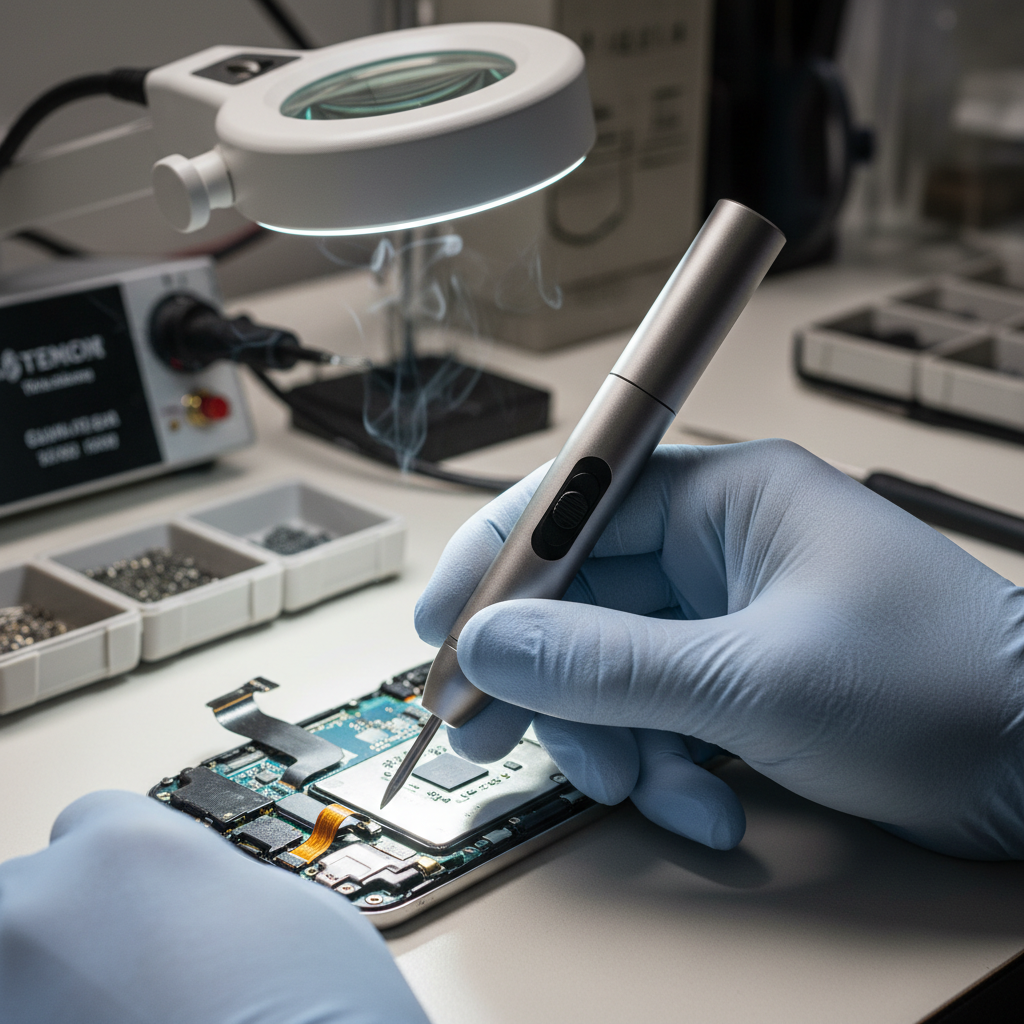
When dexterity is reduced by protective gear, the primary adaptation should be workflow-based. Instead of struggling against the limitations of the glove, you can re-engineer the task environment to minimize the need for fine, in-hand adjustments [IG5].
- Pre-positioning: Use magnetic mats or bit holders to pre-align screws. This reduces the time spent fumbling with small fasteners while wearing gloves.
- Visual Reliance: Since tactile feedback is dampened, you must increase your visual reliance. Ensure your workspace is illuminated by high-CRI (Color Rendering Index) lighting to clearly see bit engagement and screw seating.
-
Tool Selection for the Task:
- For delicate electronics (phones, laptops, cameras), the Fanttik E1 MAX Precision Electric Screwdriver is the preferred choice due to its 18mm diameter and dual-torque settings.
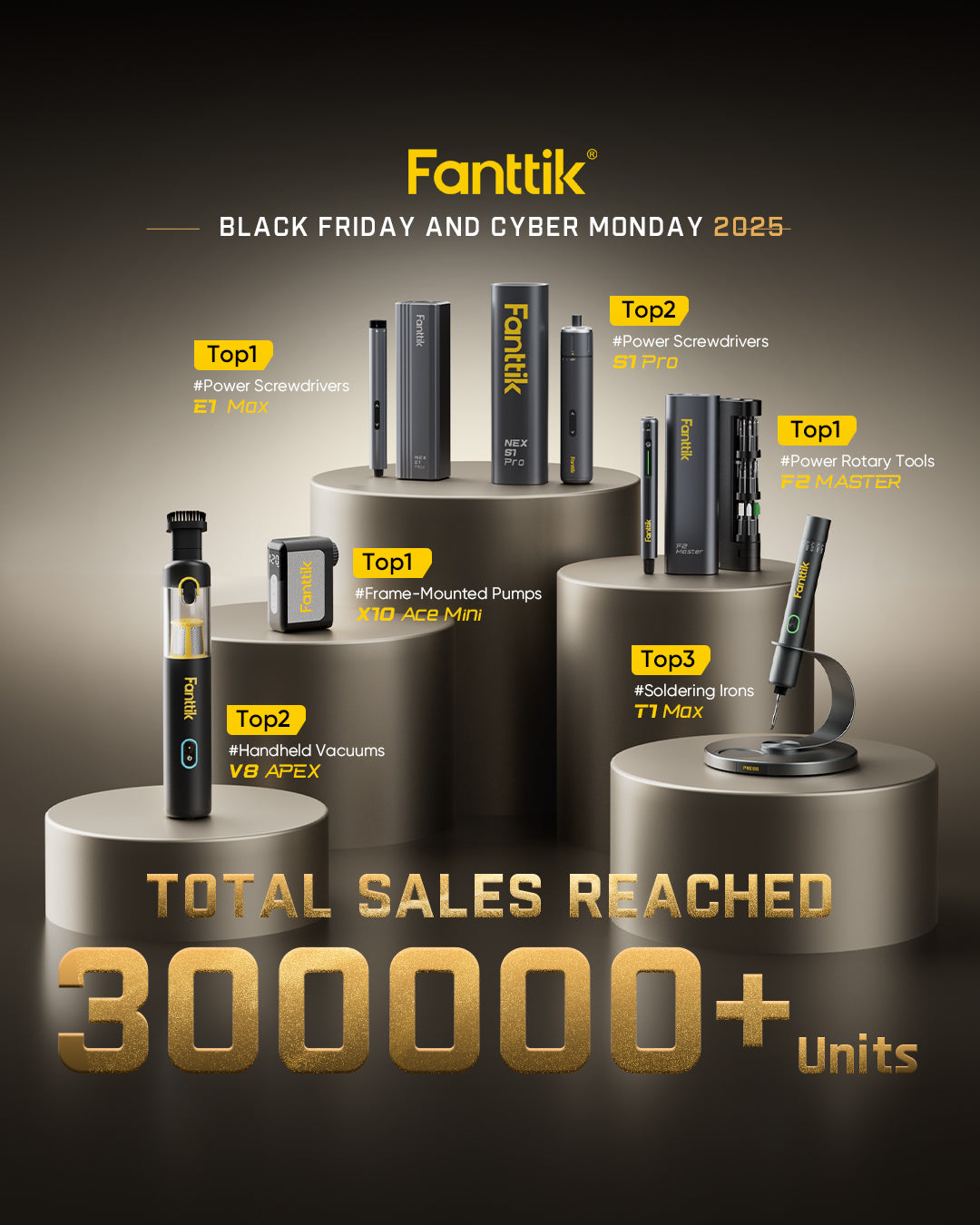
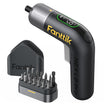
- For slightly larger tasks like furniture assembly or gaming PC builds where heavier safety gloves are required, the Fanttik S1 Pro Cordless Electric Screwdriver or the Fanttik S2 Pro Cordless Electric Screwdriver provides the necessary torque (up to 6N.m) while maintaining an ergonomic grip.
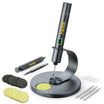
- For precision drilling in plastic or resin, the Fanttik K2 Nano 3.7V Precision Power Drill offers the high-speed control needed for delicate DIY projects.

Engineering Trust in Professional Tools
As highlighted in The 2026 Modern Essential Gear Industry Report: Engineering Trust in a Cordless World, the transition to cordless, precision tools is driven by the need for "credibility math." This means tools must not only look modern but must perform with predictable reliability.
For the professional technician, trust is built when a tool's mechanical clutch behaves consistently every time. In our experience, using a tool with a reliable electronic or mechanical clutch is the only way to ensure safety when tactile feedback is compromised. This aligns with the broader industry shift toward tools that reduce buyer anxiety through demonstrable performance.
Final Considerations for Professional Maintenance
Maintaining your gear is just as important as selecting it. For those working in critical environments, it is worth noting that thermal aeration at 100°C for 1 hour is a validated decontamination method that can restore certain glove materials without compromising their strength [IG4]. Always consult the manufacturer's guidelines for both your tools and your protective gear.
By combining the right glove material with a tool designed for the precision grip—such as the Fanttik E1 MAX—technicians can overcome the "tactile gap." This approach doesn't just save time; it preserves the longevity of your hands and the integrity of the devices you repair.
YMYL Disclaimer: This article is for informational purposes only and does not constitute professional medical, safety, or engineering advice. Always consult with a qualified professional before implementing new safety protocols or using power tools in sensitive environments, especially if you have pre-existing hand or wrist conditions.
Sources and References
- EU General Product Safety Regulation (EU) 2023/988
- ISO 898-1: Mechanical properties of fasteners
- Protective gloves, hand grip strength, and dexterity tests
- HSE UK: Slips and trips - Cleaning Topics
- Fanttik 2026 Modern Essential Gear Industry Report
- Ergonomic comparison of in-line vs pistol-grip handles

Leave a comment
This site is protected by hCaptcha and the hCaptcha Privacy Policy and Terms of Service apply.