































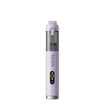












For a long road ride, pick the mini electric pump that has a documented result on a tire like yours at your target pressure. It also needs to fit your valves and your carry space. Its charge and use limits have to cover the route, so a high maximum PSI on the box can't settle the choice by itself.
If you can't confirm those limits, or the route takes you far from help or a charger, treat the electric pump as a convenience. Carry a battery-independent backup and repair supplies too.
Match the Pump to Your Tire and Carry Setup
Start with the pressure your tires actually need, using ride conditions, rider and bike weight, tire details, and rim details to set a starting point. Then confirm that the pump supports your valve type and can reach that target pressure. For a road-focused walkthrough by rider weight and tire width, our road tire pressure guide covers the same step.

Next, keep three numbers apart. Your target pressure is what the tire needs. The pump's maximum PSI is the highest pressure it is rated for. Its inflation result tells you how it performed on a specific tire. Only that last number shows real work, and it only counts if it was measured on a tire size and pressure close to yours. A bigger tire holds more air, so a result on a narrow tire doesn't carry over to a wider one.
Our X10 Ace Mini shows how to read these claims. We list it at 0.26 lb, with Presta and Schrader compatibility. We rate it to inflate a 700×23c tire from 0 to 100 PSI in 80 seconds. That result applies to a 700×23c tire at 100 PSI. If you ride wider tires or use a different target, you'd need a result for that setup.
Last, check fit on the bike. Make sure the pump supports your valve type. Then compare its real size and weight with where you'll carry it: a jersey pocket, a saddlebag, or a bottle cage. The word "compact" on a box doesn't tell you it will fit your bag.
Check Charging and Use Limits Against the Route
Match the pump's documented charging and use limits to your expected ride length and number of inflations. If those limits are not published or do not cover the route, carry a battery-independent backup instead.
- Long ride with reliable charging stops: An electric pump can serve as your main inflator if its documented limits cover your expected flats and you have a workable charging plan. If those limits aren't published, you can't be sure it will last the ride.
- Remote or self-supported route: If the per-charge limits are unknown or come up short, don't rely on the electric pump alone. Pack an inflation method that doesn't need a battery as well.
- The X10 Ace Mini on a long ride: The product details above don't give a charging time or a number of inflations per charge. So don't plan a long ride around it as your only inflator. Carry it alongside a backup.

Carry an Independent Backup for Remote Routes
A mini electric pump should not be your only plan on a remote route unless its charge limits cover the ride. Carry a battery-independent inflation backup and repair supplies that match your tire system.
The electric pump can still do the main work when it has charge. The backup matters on the day the battery runs low or a puncture needs more than air.
FAQs
How many spare tubes should you carry on a long ride?
BIKEPACKING.com's guide advises carrying at least one tube, with two suggested for longer trips. That advice comes from a long-trip repair guide. It isn't a universal road-cycling rule, so adjust it to your route and how far you'll be from help.
Can tubeless sealant handle every puncture?
No. The same tubeless guide describes using plugs for punctures that are too big for sealant to close. If you ride tubeless, pack plugs as well as sealant. A spare tube gives you a fallback if a plug won't hold.
Does a mini electric pump replace a puncture-repair kit?
No. An inflator puts air back in. A repair kit gives you the materials to stop the leak. If you only carry a pump, you may still be stuck with a tire that won't hold pressure, so pack both.
Continue reading
 Refinishing a Wooden Chair With a Detail Sander: Protect Edges and Curves
Pick your sanding goal, keep the detail sander on supported flat areas, hand-sand spindles and carvings, and check...
 Before Your First Spring Ride, Test Your Bike Tires and Mini Pump
A pre-season checklist for cyclists: spot tire damage, set pressure within the tire's marked range, and confirm your...
Leave a comment
This site is protected by hCaptcha and the hCaptcha Privacy Policy and Terms of Service apply.