










































When campers go to bed at different times, start with the tent's door. Put early sleepers farthest from it and later sleepers next to the path in from the entrance. The goal is simple: anyone coming in late, or grabbing something at night, should be able to do it without stepping over someone who is already asleep.
No single tent sleeping layout fits every tent, because door positions, room shapes, and floor space vary. Work from the tent you actually pitched, then check the route with everyone's sleeping spot and gear in place before the first person lies down.
Start With the Entrance and the Settled Sleepers
Assign sleeping spots after the tent is up, based on where people will actually walk in. The early sleepers get the spots away from the traffic, and the late sleepers get the spots next to it.
A University of Maine Extension 4-H backyard camping lesson points out that an outdoor tent can come in many shapes and sizes. It advises deciding where each person will sleep once the tent is assembled, and checking that you have the supplies you need before heading to bed. Pitching camp while it's still light makes this easier, and the National Park Service's guide to finding and setting up a campsite covers that groundwork.
Once the tent is up, use this sequence:
- Find the door you'll actually use. If the tent has more than one, pick the one late campers will come through. Picture the path from that door into the tent.
- Mark each sleeping footprint. Lay out pads or bags so you can see exactly how much floor each person takes up.
- Sort people by bedtime. Note who will be settled first and who will come in, change, or move around later.
- Place early sleepers away from the path. Give them the spots farthest from the door, or at least spots the path never crosses.
- Place late sleepers beside the path, not in it. A late sleeper should be able to step in and reach their own spot without crossing anyone. They shouldn't be lying in the doorway, either.
Here's an illustrative example for one shared space with a door at one end. The late sleeper takes the edge closest to the entrance, and the early sleepers take the far side. This works only if the path from the door stays outside their footprints.

If the path would cut through someone's sleeping spot, shift pads or swap spots and look again. Some tents can't leave a clear path with everyone inside. In that case, accept that some crossing will happen. Then put the person who minds it least closest to the path.
Keep Nighttime Gear Reachable but Out of the Route
Gear you might need after dark belongs in a spot you can reach from beside the path, close to the entrance. It shouldn't sit in the doorway, on the path, or in a sleeper's space. Sort your gear before you pick spots:
- Night items: things someone may reach for in the dark, such as a headlamp or a water bottle. These are examples, not a packing list. Keep them in an easy-to-reach spot beside the path near the door.
- Packed gear: clothes for tomorrow, cooking items, and anything else nobody needs overnight. This can go in a corner or out of the sleeping area entirely.
- Boots: Scouting America's camping guide says to take boots off before crawling into a tent and store them by the tent door, under the rain fly. That advice is about boots only. It isn't a rule for where other gear goes.
A spot is wrong if it blocks the entrance, narrows the path, or makes someone reach across a sleeper. If you can't find a good spot, keep the path clear first. Then move the item or adjust the sleeping spots.
Adapt the Arrangement to Rooms or One Shared Area
Whenever space allows, aim to keep early sleepers away from late traffic, whether you have physical walls or one open room. If your tent cannot prevent path crossing entirely, keep the buffer as clear as possible and put the least sensitive sleeper nearest the route.
Divided spaces let you use interior partitions to block movement. In an open floor plan, you rely entirely on distance from the main doorway.
If the Tent Has Separate Rooms or a Divider
Work only with the rooms or divider your tent really has. When it does, put the early sleepers in one area and the late sleepers in another, as long as the doors allow it. A divider doesn't fix a bad path on its own. Say the only way into the late sleeper's room runs through the early sleepers' room. The late sleeper will still cross their space, wall or no wall. In that case, swap the rooms so the late sleeper is next to the door. If the tent has a second door, use it as the late sleeper's way in.
If Everyone Shares One Sleeping Area
In one open space, you separate people by where they lie relative to the door. Use the empty edge beside the path for the late sleeper, and put the early sleepers on the far side of the path. If the path still runs through someone's footprint, move pads until it doesn't. Exactly how this looks depends on your door and how much floor you have. A door on the long side and a door at one end can lead to very different layouts.
Test the Route Before Everyone Settles In
Run one walk-through with everything in its final place. A layout that looks fine before bed can still force a late camper to crawl over someone.
- Setup: Put every pad, bag, and night item where it will stay overnight.
- Walk-through: Have someone come in through the door the late campers will use, as if they were arriving late. Have them reach the night items and their own sleeping spot.
- Pass: The door opens and closes normally, and every needed item is reachable without crossing a sleeping footprint.
- Fail: Any step across a footprint, or any item that blocks the door. Move the item or change the sleeping spots, then run the walk-through again.

FAQs
What if an early sleeper needs to get up in the middle of the night?
That trip runs the other way: from the far side out to the door. Look at whether their way out crosses the late sleepers once everyone is lying down. If it does, think about giving the person most likely to get up at night a spot near the door, even if they go to bed early.
Does a tent with two doors make this easier?
It can. Two doors let you give early and late sleepers separate ways in and out. Only count a door that you can actually open and use at night. Then do the walk-through from each door the group plans to use.
What if the bedtime order changes partway through the trip?
Treat it as a new plan. Re-sort people by who settles first and who comes in later, swap spots as needed, and repeat the walk-through before that night's first person lies down.
Should kids sleep near the door if they go to bed first?
Bedtime order is what decides who goes where in this layout. A child who falls asleep first fits best away from the path, so later traffic doesn't pass right by them. If you also want an adult within reach, give that adult the spot next to the child, and make sure the late path still stays clear of both.
Continue reading
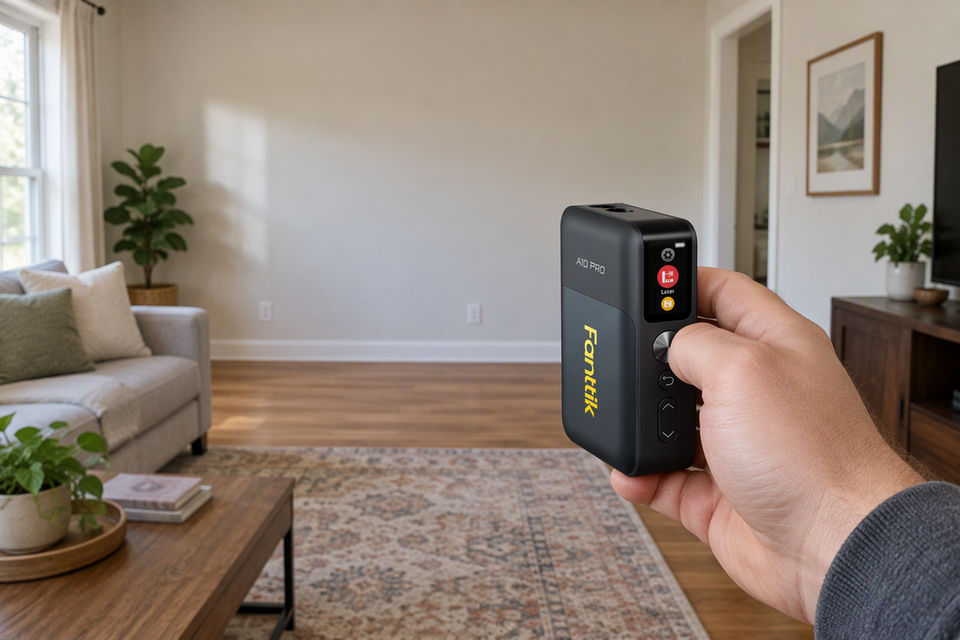 Laser Distance Meter Accuracy: When Is It Good Enough for a Home Project?
A practical guide to matching a laser measure's stated accuracy with the error a room layout or close-fit...
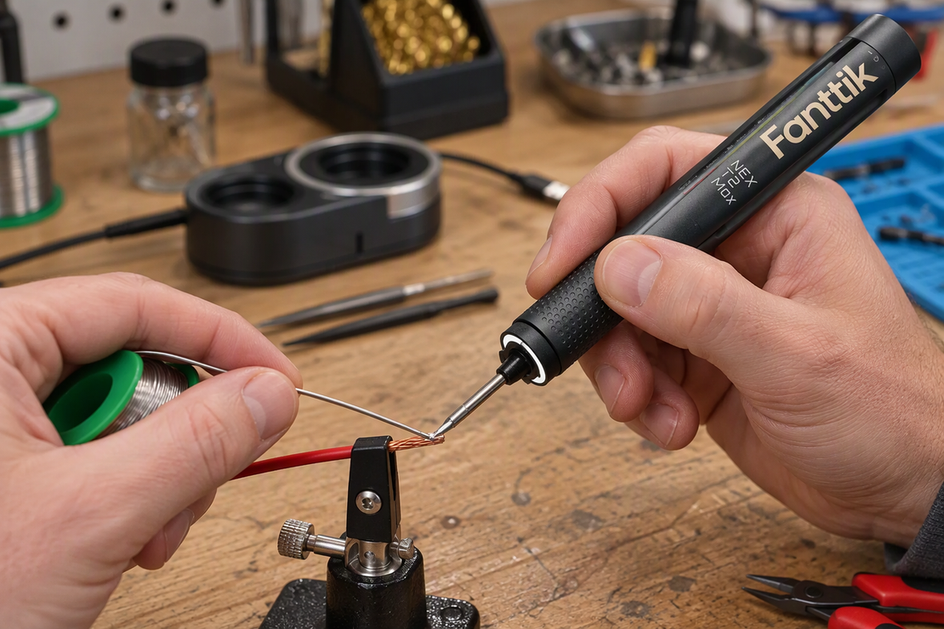 How to Tin Stranded Wire Before Soldering
A NASA-based walkthrough for pre-tinning stranded wire with an iron, checking terminal instructions first, and inspecting coverage before...

Leave a comment
This site is protected by hCaptcha and the hCaptcha Privacy Policy and Terms of Service apply.