































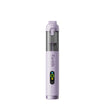






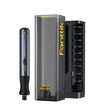
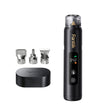
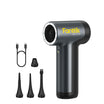

To vacuum crumbs out of an upholstery seam, use a clean upholstery attachment. Move it slowly and lightly along the seam, and don't press the nozzle into the fabric. Pick out larger pieces by hand first. Stop if you see raised threads, flattened pile, or a change in sheen.

No vacuuming method can promise the fabric won't stretch. Keeping contact light means you never push or drag against the stitching. The same steps work for sofa cushions, chair welting, and fabric car seat seams.
How to Vacuum Crumbs From an Upholstery Seam
Start with gentle passes and check the fabric as you go. One furniture retailer notes that an upholstery attachment lifts dry crumbs from seams, welting, and the gaps under cushions. That makes it a sensible first tool for this job once you've done the fabric checks in the next section.
- Clear the big pieces by hand. Lift out chips, cereal, or other large crumbs with your fingers before you turn on the vacuum. This way the nozzle only has to pick up small, loose debris.
- Fit a clean upholstery attachment. Grit or hair stuck to the tool can drag across the fabric. Wipe it off before you start.
- Set the nozzle beside the seam, not inside it. Rest the attachment flat on the fabric next to the stitch line so the suction pulls crumbs up and out of the gap.
- Make slow, light passes along the seam. A fabric-care guide recommends slow, light passes without pressing the nozzle firmly and careful work around seams, piping, and cushion gaps. Let the attachment glide. Don't use it to pry the seam open.
- Watch what happens after each pass. If it's working, the crumbs disappear from the seam line and the fabric next to it stays flat and unchanged. If threads start to lift, the pile flattens, or the sheen changes, stop and go to the troubleshooting section below.
- Finish with one more light pass. Check the full length of the seam, including the ends where it meets a cushion or the welting.
Check the Fabric and Seam Before Choosing an Attachment
Read the care guidance and look over the seam closely before the vacuum touches it. The same fabric-care guide advises that you check the care guidance and inspect the seam for damage first, and skip any damaged areas.
- Read the label or manufacturer guidance. On furniture, look for a tag under the cushions or on the frame. On a vehicle, look for the seat upholstery care section in your owner's manual. If the guidance limits which attachments you can use, follow it.
- Look for damage along the seam. Check for loose threads, open seams, frayed piping, loose buttons, or tears. Don't vacuum those spots, because suction and contact can make them worse.
- Clean the attachment. Remove trapped hair and grit, and run a finger over it to feel for rough edges that could snag the fabric.
- Match the attachment to how the seam is built. On an open seam next to a cushion, a flat upholstery tool can sit right beside the gap. On a narrow or recessed seam, pick an attachment your care guidance allows that can reach the gap without being forced in.
- Make sure the crumbs are dry. If they're stuck in a damp spill, stop. A dry-only vacuum isn't built for liquid, and our guide on why dry-only vacuums avoid liquids explains what to do instead.

Some fabrics come with specific attachment rules. For example, Herman Miller's care instructions for Mercer and Strata BLOCKaide performance fabrics call for an upholstery attachment and say not to use one with a rotary brush. That rule covers only those named fabrics. It still shows why your own upholstery's care guidance comes before any general habit.
What to Do if Fabric Moves or Crumbs Remain
When the fabric shifts or catches, use less force, not more. Crumbs left behind and fabric that moves are two different problems, so handle them separately.
If the fabric bunches, catches, or pulls toward the nozzle:
- Stop the pass right away and lift the attachment straight up instead of dragging it off.
- Look at the seam and the fabric around it. The care guide says to stop if the fabric surface changes, which means raised threads, flattened pile, or a change in sheen. If you see any of those, leave that area alone.
- If the surface looks fine, start again with lighter contact. Rest the nozzle flat next to the seam with no downward pressure.
- If the fabric still pulls toward the nozzle with only light contact, turn the suction down if your vacuum lets you.
If crumbs are still stuck in the seam:
- Pick out any larger pieces you can see by hand. The guide recommends removing larger debris this way before vacuuming, and it's still the right move if you missed some the first time.
- Make another slow, light pass along the seam. Don't press the nozzle deeper into the gap.
- Don't turn up the suction or press harder just to get the last few crumbs. If crumbs are still there after careful passes, a little leftover debris does less harm than raised threads or a damaged surface.
FAQs
Does upholstery seam cleaning work the same way on fabric car seats?
Yes. The method is about the fabric and its seams, so the same light, slow pass works on fabric car seats. For the care rules, use your vehicle owner's manual instead of a furniture tag. Keep to the seat seams themselves. Seat tracks and rails are a separate job.
Should I use lower suction on velvet or chenille?
One furniture retailer recommends lowering suction on delicate fabrics such as velvet, chenille, and loose weaves, because they respond better to a gentler pass. If your vacuum has adjustable power, start low on these fabrics before you work along a seam.
How often should I vacuum upholstered seating?
Crypton, which makes upholstery fabric, suggests vacuuming every 1 to 2 weeks with an upholstery attachment. This removes crumbs, lint, and pet hair before they get worked deep into the fibers. Regular light cleaning means less debris builds up in the seams between sessions.
Is it okay to leave a few crumbs if they won't come out?
Yes. A few fine crumbs are less of a problem than a damaged seam. Keep each pass light, and come back to that spot the next time you vacuum instead of pressing harder now. Crumbs often loosen after a few light passes spread over several cleanings.
Leave a comment
This site is protected by hCaptcha and the hCaptcha Privacy Policy and Terms of Service apply.