










































This practical guide covers the Fanttik X8 APEX Tire Inflator, a cordless tire inflator designed to read pressure, inflate through a locking valve connection, and stop at a selected target. It is designed for owners looking for a clear setup and care reference. It does not substitute for the safety leaflet supplied with the product, and it deliberately does not link to an unverified manual PDF.
Before First Use
- Inspect the hose and chuck for cuts, grit, or damaged threads.
- Charge the inflator before the first roadside use.
- Read the vehicle placard and note the recommended cold-tire pressure before connecting the hose.
Photograph the product label and keep the order details before the first job. Those details make model confirmation and warranty support much easier if the tool later needs service.
Safe Operating Workflow
- Park safely, switch the vehicle off, and check the tire while it is cold when possible.
- Attach the hose squarely to the valve so the connection does not leak.
- Select the correct pressure unit and set the vehicle maker's target pressure.
- Start inflation and watch the live reading; let auto-stop finish the cycle.
- Remove the chuck, replace the valve cap, and verify pressure again if the connection released noticeable air.
If a control, icon, or indicator on your unit differs from this overview, stop and follow the labeling on the product and the documentation supplied in its box. Do not borrow button sequences or indicator meanings from a sibling Fanttik model.
Charging and Storage
Charge in a dry, ventilated place with the connection specified for the product. Inspect the cable and port before use, and stop if a connector becomes unusually hot or loose. For storage, switch the product off, clean away working debris, and keep it away from direct sun, standing water, and temperature extremes. If it will sit unused, check it periodically rather than allowing the battery to remain deeply discharged.
Routine Care
- Let the pump cool after a demanding inflation job.
- Keep the valve chuck clean and dry.
- Store the unit charged enough for an emergency, away from high heat and freezing storage.
Routine care should stay external: cleaning accessible surfaces, checking consumables, and keeping connections dry. Opening a sealed battery or drive housing can create a safety risk and should be left to Fanttik support.
When the Product Does Not Behave Normally
| Symptom | First safe check | Next action |
|---|---|---|
| No power | Confirm charge state and control position | Test a known-good charging source, then contact support if there is still no response |
| Stops under load | Remove the load and let the product cool | Check for binding, debris, or an unsuitable accessory |
| Unusual heat, odor, or noise | Switch off and move away from combustible material | Do not continue testing; request service |
Manual and Support Options
The current product page is the verified online source for this exact model. A reliable official PDF URL was not confirmed during preparation, so this draft does not invent or republish one. Keep the printed documentation supplied with the product and use the Fanttik Support Center to request model-specific documentation when needed. The Fanttik manual hub also collects manuals that have verified sources.
Getting a Reliable Tire-Pressure Result
The inflator can only act on the target you enter, so the most important setup step happens before the pump starts. For a passenger vehicle, use the cold-pressure recommendation on the driver-side door placard or in the vehicle handbook. The larger figure molded into a tire sidewall is normally a tire limit, not the everyday target for that vehicle. Front and rear recommendations can also differ, so check both rather than copying one setting to every tire.
A pressure reading can look unstable when the chuck is not square on the valve, when the valve core is loose, or when air is escaping around damaged threads. If the reading falls as soon as the pump stops, disconnect and reconnect once before assuming the X8 APEX has a gauge fault. Compare against a separate gauge only under the same cold-tire conditions; driving warms the tire and changes pressure naturally.
Roadside use versus routine top-ups
For a routine top-up, inspect the tread and sidewall first. An inflator restores pressure but cannot make a punctured, cut, bulged, or separated tire safe. On the roadside, move the vehicle away from traffic, make yourself visible, and do not kneel where another vehicle could strike you. If the tire is visibly damaged or will not retain air, use the inflator only as directed by roadside assistance and arrange a tire repair rather than repeatedly refilling it.
Preventing hose and chuck wear
Let the chuck do the sealing; avoid pulling the hose sideways while the pump runs. After use, wait for the metal fitting to cool, wipe off road grit, and coil or stow the hose without a sharp bend. A damaged seal, cracked hose, or loose chuck belongs in the replacement-parts path, not a tape-and-clamp roadside repair.
FAQ
Is this an official manual PDF?
No. It is a locally prepared setup and care guide based on the verified official product page. No unverified PDF is linked.
Can I use instructions from a similar Fanttik model?
Use sibling-model advice only for general care. Controls, chargers, accessories, and indicator behavior can differ, so confirm instructions for the exact model.
What should I record before contacting support?
Record the model label, order details, charging source tested, accessory installed, and a short description or video of the symptom.
Should I open the housing to replace the battery?
No. This guide does not treat an internal battery or sealed drive assembly as user-serviceable.
Related Support
Continue reading
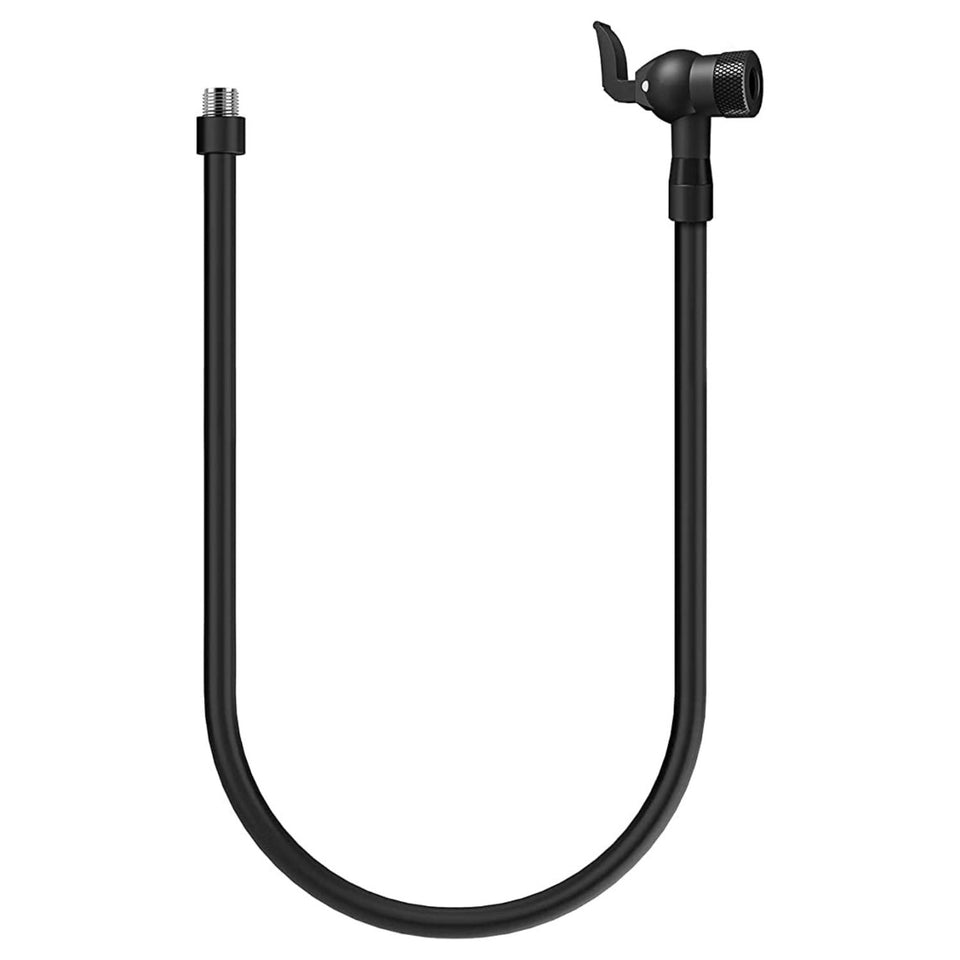 Fanttik X8 APEX Replacement Hose Guide
Verify Fanttik's lock-on hose adapter for X8 and X8 APEX inflators, review its published length, and avoid unsupported...
Fanttik X8 APEX Replacement Hose Guide
Verify Fanttik's lock-on hose adapter for X8 and X8 APEX inflators, review its published length, and avoid unsupported...
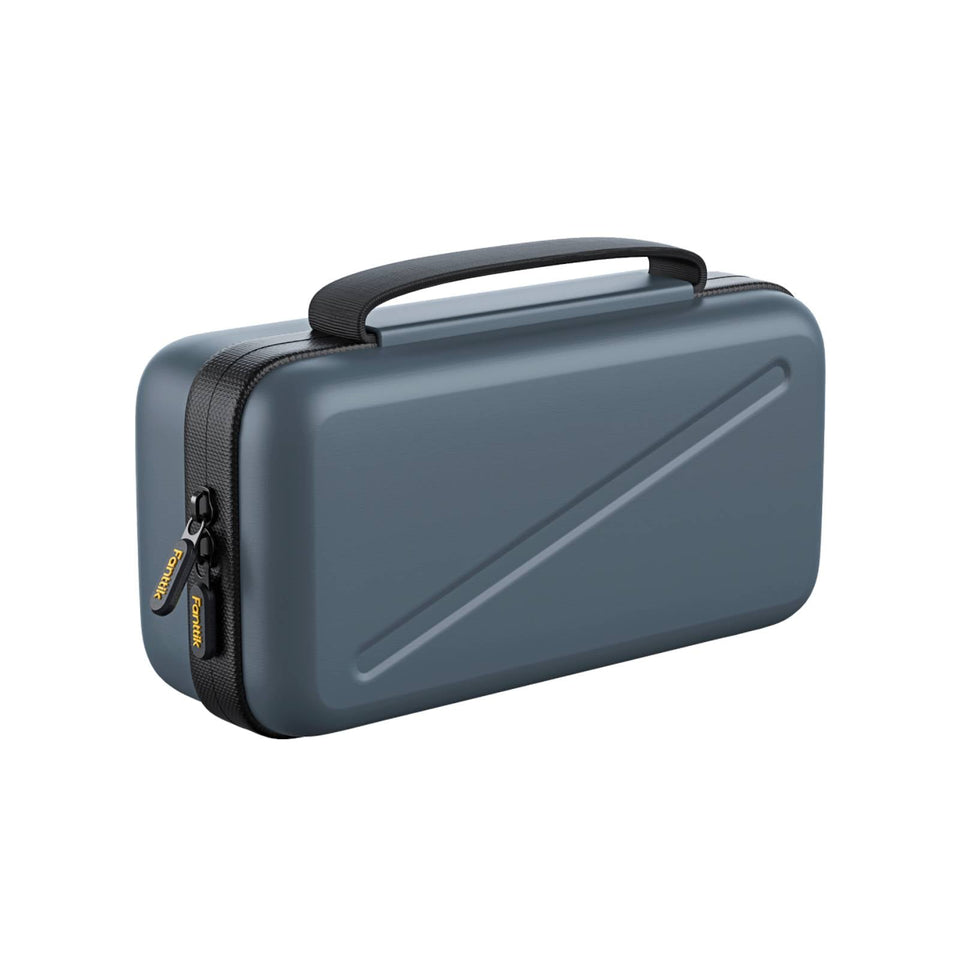
 Fanttik X9 Ultra Carrying Bag Guide
Verify Fanttik's X9 Ultra carrying-bag listing, understand what bag only means, and avoid unsupported fit or protection claims...
Fanttik X9 Ultra Carrying Bag Guide
Verify Fanttik's X9 Ultra carrying-bag listing, understand what bag only means, and avoid unsupported fit or protection claims...
Leave a comment
This site is protected by hCaptcha and the hCaptcha Privacy Policy and Terms of Service apply.