








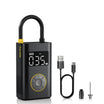
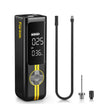





A pressure washer can lose flow after you switch water sources because the new setup may get less water to the washer's inlet than the old one did. The source, hose, or connection that changed is the first place to look. On its own, it doesn't confirm a specific fault.

Before you suspect the motor, find out which water sources and inlet connections your exact model allows. Then compare the new setup with the old one, one part at a time.
Why a Water-Source Change Can Reduce Pressure-Washer Flow
A pressure washer cannot generate water; it only pressurizes what reaches the inlet. When you switch water sources, the volume feeding the pump may change. If supply is restricted, you may notice both a reduced stream and lower pressure.
A troubleshooting guide on source, hose, and inlet restrictions lists three possible contributors on the supply side. A garden hose on a low-pressure spigot may not supply enough water to feed the washer. Kinks or bends in the hose can restrict flow. A clogged inlet filter can seriously restrict flow and lead to low pressure.
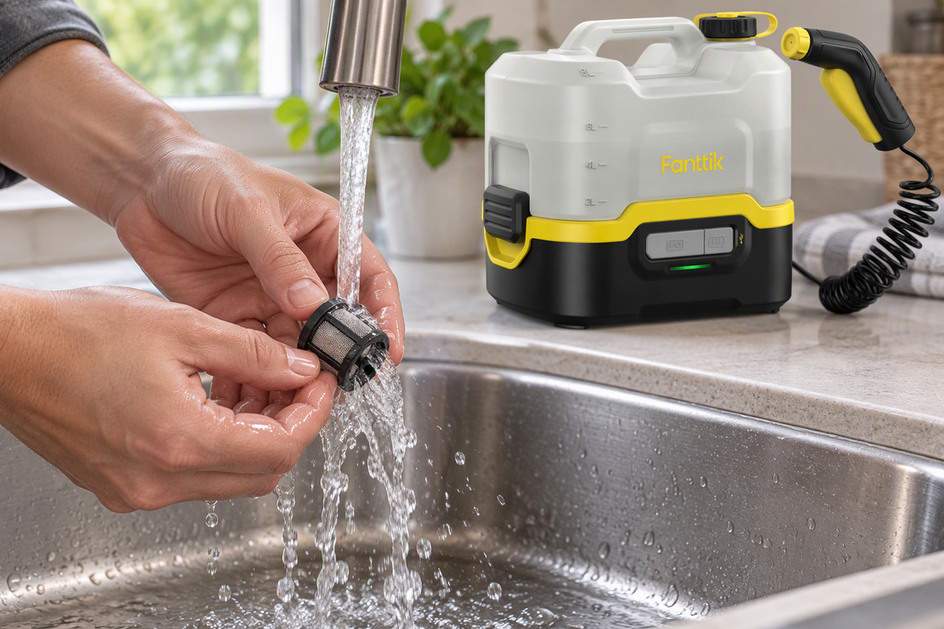
Each of those represents an independent check on the supply path rather than a diagnosis of motor failure. A different spigot may supply water at a different rate, and rerouting a hose can introduce a sharp bend. An inlet filter can also become clogged independently over time, restricting incoming volume. If your model has an inlet screen, our guide on why inlet filtration protects pumps explains what that screen is designed to catch.
What to Check in the Changed Supply Setup
Start with your exact model's manual, then look only at the parts of the supply path that changed. This keeps you from treating every source, hose, and fitting as interchangeable.
- Confirm the new setup is allowed. Find the manual or official support page for your model number. Note which water sources and inlet connections it permits. If the new arrangement isn't listed, don't test the washer on it. Go back to a setup the manual approves.
- Write down what changed. Compare old and new side by side: the source outlet, the hose, any connector or adapter, and how the water reaches the intake. If more than one thing changed, you have more than one suspect.
- Walk the hose from source to inlet. Look for kinks, crushed spots, or tight bends along the whole route, including where it runs under tires, through gates, or around corners. Straighten the route and note whether the spray changes.
- Match new fittings to the manual. If you added an adapter, splitter, or different connector, compare it with the inlet connection your manual specifies. A part that isn't listed is a change to undo, not one to troubleshoot around.
- Check the inlet screen only if your model has one. If the manual shows how to reach and clean it, follow those steps exactly. If it gives no access steps, leave the inlet alone and go to the comparison below.

If everything matches the manual and pressure washer water flow is still low, the next question is how the washer behaves on the setup that worked before.
What Does Comparing the Previous Setup Tell You?
Reconnecting a previously working setup allows you to observe how the washer behaves across two different supply paths under manual-approved conditions. This side-by-side observation simply contrasts behavior rather than providing a verified diagnostic procedure.
Even if flow improves when switching back to the prior setup, that change does not pinpoint the exact cause or rule out pump-related factors. Restoring flow simply shows an observable difference between the two arrangements without identifying a specific fault.
If flow remains low on the prior manual-approved arrangement as well, avoid disassembling the washer or assuming motor failure. Consult the troubleshooting section of your model's manual for documented diagnostic steps. If you use a Fanttik pressure washer and the manual does not resolve the issue, contact our support team with your model number and the details of both setups.
FAQs
Why does a weak spigot matter if the pressure washer makes its own pressure?
The washer adds pressure to the water it receives, but it can't add water that never arrives. A garden hose on a low-pressure spigot may not supply enough water to feed the pump. In that case, the output can drop even though the washer itself is working.
Can a different garden hose lower flow from the same spigot?
Yes, if the new hose restricts water on its way to the washer. A kink or tight bend along the route is one way that happens. For hose size, length, or type requirements, go by your model's manual rather than a general rule.
Can I run my pressure washer from a bucket or tank instead of a spigot?
Only if your model's documentation says it can. Some portable washers are designed to draw from standing water, and our explainer on how self-priming pumps draw water covers how that works. If your manual lists only a pressurized supply, stick with that.
What details help when I ask for support about low flow?
Have your exact model number ready. Describe the old and new water source, hose, and any fittings, and say when the flow drop started. Also note whether flow changed when you went back to the earlier setup. These details help support narrow pressure washer water flow problems faster.
Continue reading
 Why a Drill Can Struggle Even When the Bit Is Sharp
Sharpness alone doesn't make a bit right for the job. Sort the symptom first, then check bit type,...
Why a Drill Can Struggle Even When the Bit Is Sharp
Sharpness alone doesn't make a bit right for the job. Sort the symptom first, then check bit type,...
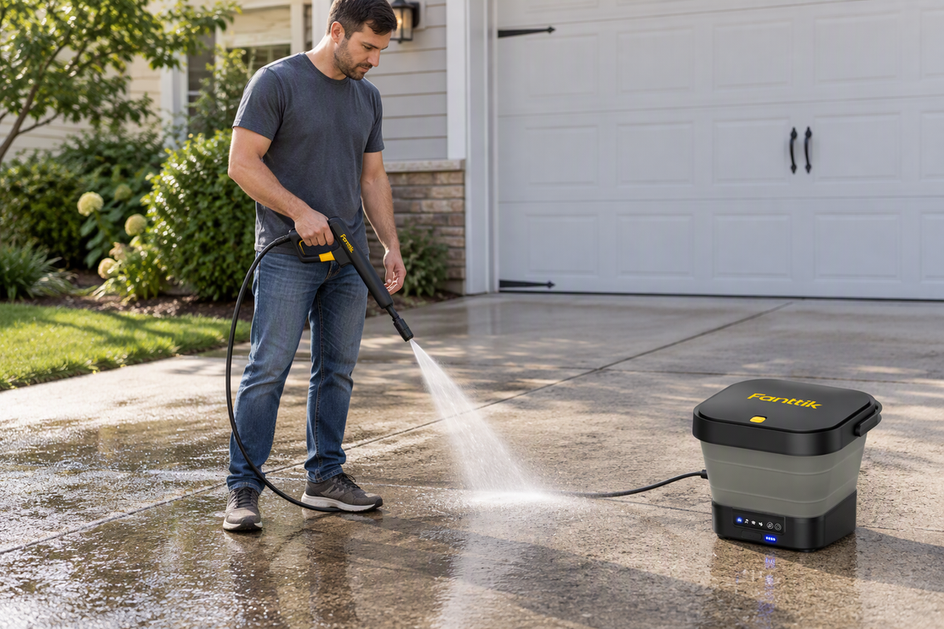 What to Check When a Pressure Washer Has Weak Spray
A step-by-step troubleshooting order for low pressure washer output: water supply, spray tip, symptom patterns like pulsing, and...
What to Check When a Pressure Washer Has Weak Spray
A step-by-step troubleshooting order for low pressure washer output: water supply, spray tip, symptom patterns like pulsing, and...
Leave a comment
This site is protected by hCaptcha and the hCaptcha Privacy Policy and Terms of Service apply.