










































No. Don't brew coffee or handle a hot drink while the car is moving. Wait until the vehicle is safely parked, no matter who is running the portable coffee machine.

Two things drive that answer: brewing or managing a drink can pull the driver's attention off the road, and hot coffee can burn skin if it spills. For limits that apply to your exact machine in a vehicle, check that model's current instructions before your trip.
Can You Use a Portable Coffee Machine While the Car Is Moving?
A machine that can brew in a car is not the same as a machine that is safe to use while the car is rolling. Power, size, and a cup holder answer the "can it run?" question. They don't answer the "should I do this right now?" question.
The driving side of that question has a clear reference point. The National Highway Traffic Safety Administration lists eating and drinking as distractions that divert attention from driving. NHTSA's guidance covers distraction in general, not coffee machines specifically. Still, filling a water tank, loading a pod or grounds, pressing buttons, and holding a hot cup all fit that description when the driver is the one doing them.
The practical fix is simple: make the coffee a stop, not a task you do on the move. Pull into a rest area, gas station, or parking lot. Put the car in park, then brew, pour, and drink there. If you want coffee for the next stretch, finish it before you pull out, or close it in a lidded travel mug and leave it alone until your next stop.
Before the trip, open the manual for your specific machine and look for any vehicle-use section. Some makers spell out how and where their machine should be used, including in a car. Follow those limits on top of the parked-only rule, not instead of it. If you plan your route ahead of time, our spring road trip checklist can help you map out stops where a coffee break fits naturally.

Why Is Hot Coffee Handling a Concern in a Moving Car?
The concern comes from two separate risks that stack up in the same moment: a distracted driver and a cup of very hot liquid.
Start with attention. NHTSA explains that any non-driving activity is a potential distraction and raises the risk of crashing. Brewing coffee is not a one-second action. It involves several steps, each one asking for your eyes or hands. A drink that needs steadying, a lid that won't close, or a drip on your lap can all draw a driver's focus at the wrong time.
Then there's the heat. According to the American Burn Association, a hot-drink spill can cause a scald burn, and the group lists hot drinks spilled on the skin among the causes of scalds. A scald happens when hot liquid or steam touches skin.
This doesn't mean every cup will spill. It means the outcome of a spill is serious enough that brewing and handling should happen when the car isn't moving and nobody needs to react to traffic. Parking removes the driving task from the equation and gives you a stable place to pour.
A useful way to think about it: the machine's job ends when the coffee is in a closed container. Everything that involves hot, open liquid belongs to the parked part of your trip.
FAQs
Does it matter if a passenger operates the coffee machine?
It changes who is distracted, but it doesn't make brewing in a moving car safe. When a passenger runs the machine, the driver can keep both hands on the wheel. The passenger is still handling hot water and an open cup in a vehicle that can brake, turn, or hit a bump at any moment. A spill on the passenger can also pull the driver's attention. The safer approach stays the same for everyone in the car: brew and pour after you've parked.
Does a battery-powered machine change the safety recommendation?
No. A battery or a car outlet only affects whether the machine can run. It doesn't change the attention needed to brew or the heat of the drink in your hand. A cordless machine still makes hot coffee, and that coffee can still spill. If you plan to power a machine from your vehicle, our guide to car outlet power ratings covers how to match outlet limits with the machine's input rating. Run it while parked either way.
Can you brew coffee during a brief stop in traffic?
A red light or a traffic jam is not the same as being parked. Traffic can start moving again in seconds, and the driver needs to be ready to go. That leaves you holding a half-brewed drink or a hot cup right when you need your hands. Wait until you've pulled off the road into a parking spot and put the car in park. Then brew without rushing.
Is it okay to drink coffee you already brewed while driving?
No. Even with coffee that is already prepared, you should wait until you are parked before drinking it. NHTSA counts drinking among distracting activities for drivers, and managing a hot drink on the road still creates spill and distraction concerns. Keep the mug sealed and drink when safely stopped.
What should you look for in your machine's manual before a road trip?
Look for any section on vehicle use, approved power sources, and where the machine should sit while it works. Check the instructions for filling, heating, and cleaning too, so you know how long a full brew takes and can plan a long enough stop. If the manual sets a limit on use in a vehicle, follow it.
Continue reading
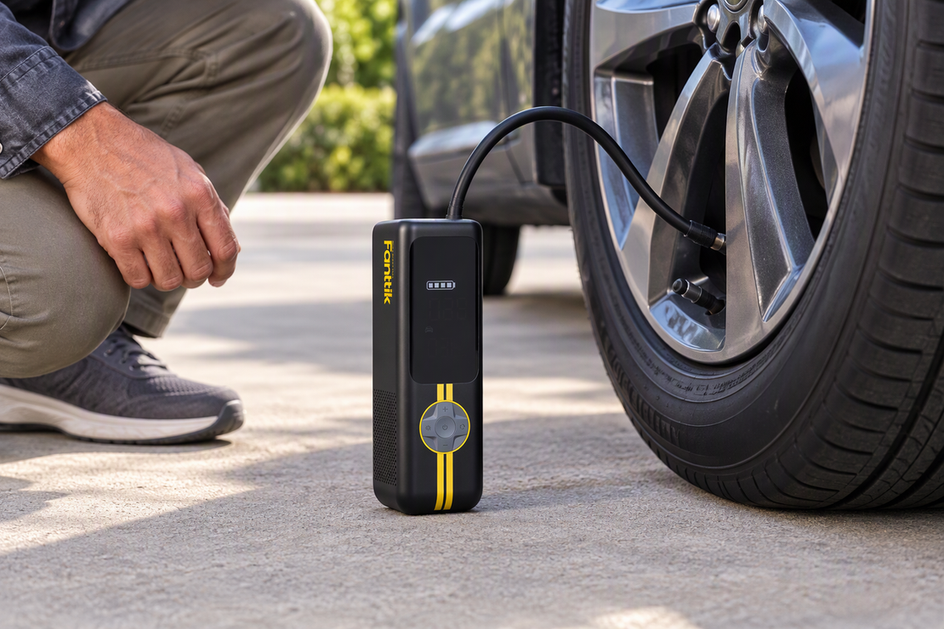 Can You Use a Portable Tire Inflator With the Car Engine Off?
Cordless inflators run on their own battery, while 12V units depend on the vehicle outlet. Here is how...
Can You Use a Portable Tire Inflator With the Car Engine Off?
Cordless inflators run on their own battery, while 12V units depend on the vehicle outlet. Here is how...
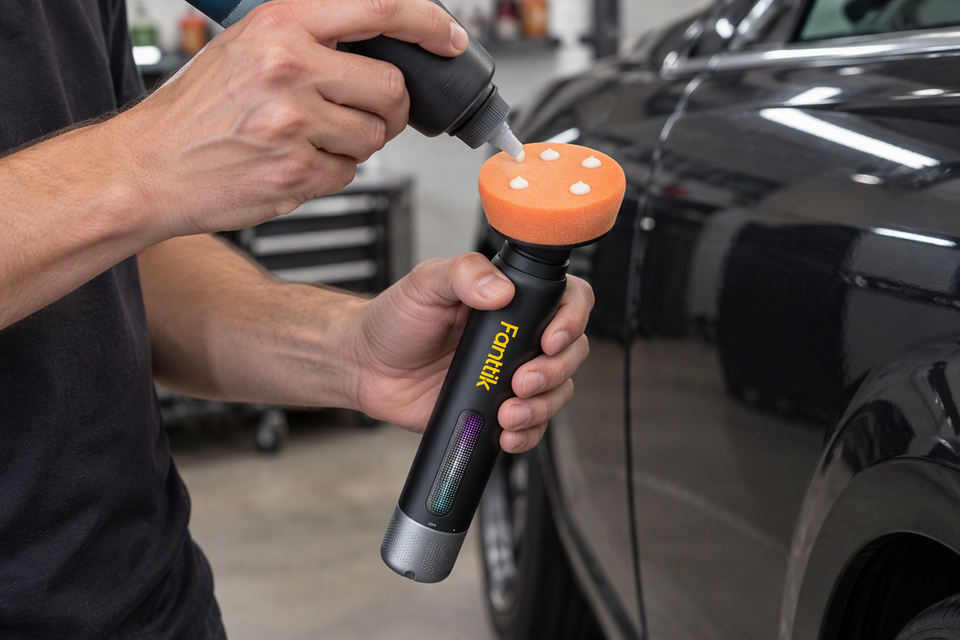 How Much Car Polish Should You Put on a Buffer Pad?
An established detailing guide specifies at least four pea-sized drops for a standard DA test spot. Learn how...
How Much Car Polish Should You Put on a Buffer Pad?
An established detailing guide specifies at least four pea-sized drops for a standard DA test spot. Learn how...

Leave a comment
This site is protected by hCaptcha and the hCaptcha Privacy Policy and Terms of Service apply.