

























The Shift Toward Intelligent Efficiency in the Modern Workshop
Quick Take: Why Efficiency Matters High-efficiency brushless (BLDC) motors typically offer 15–20% better energy conversion and up to 3x longer lifespans than traditional brushed tools. While they require more energy to manufacture (the "carbon debt"), active DIYers often see an environmental and financial "payback" through reduced battery wear and tool longevity. Top Tip: Transitioning is most effective when investing in a single battery platform and choosing tools with integrated thermal protection.
For the modern DIYer, the workshop is no longer just a place of repair; it is a laboratory for sustainable self-reliance. Based on our observations at the repair bench and feedback from the home-mechanic community, there is a significant shift in expectations. It is no longer enough for a tool to be powerful; it must be efficient, durable, and environmentally responsible. At the heart of this transition lies a fundamental piece of engineering: the high-efficiency motor.
While traditional brushed motors have served the industry for decades, the emergence of brushless DC (BLDC) technology has redefined the "carbon footprint" of a DIY project. Transitioning to these platforms is often more than a performance upgrade; it is a strategic move to reduce energy waste and extend the lifecycle of your gear. In this guide, we will explore the mechanical reality of high-efficiency motors, address common misconceptions regarding power versus wattage, and analyze the environmental impact of modern cordless tools.

The Mechanical Reality: Brushed vs. Brushless Dynamics
To understand why high-efficiency motors are advantageous, we must first look at the friction—both literal and metaphorical—of older technology. In a traditional brushed motor, carbon brushes maintain physical contact with a rotating commutator to deliver electricity. This contact creates three major drawbacks: friction, heat, and physical wear.
In contrast, brushless motors use an electronic controller to switch the current, removing the need for physical brushes. This shift results in a motor that is typically 80% to 90% efficient (based on standard industry benchmarks for BLDC technology), whereas brushed counterparts often struggle to exceed 75% efficiency due to energy lost as heat and friction.
The "Torque Curve" Learning Curve
A common observation from users transitioning to brushless tools is a perceived "lack of punch" during the first few seconds of use. In our experience, this is a characteristic of the digital management system, not a defect.
- Brushed Motors: Provide peak torque almost immediately upon start-up. This "snap" feels responsive for high-force applications like driving a stubborn lag bolt.
- Brushless Motors: Optimize for sustained load. The electronic controller ramps up speed and torque intelligently, often delivering more consistent power over the duration of the task.
Adjusting your technique—allowing the motor a split-second to engage its electronic "brain"—is often the key to mastering these tools. Based on common patterns seen in tool maintenance, users who try to "force" a brushless tool may trigger thermal protection circuits prematurely, whereas those who allow the tool to find its rhythm typically achieve faster completion times.
Logic Summary: The performance difference is rooted in energy conversion. Brushed motors convert a significant portion of energy into heat and sound, while brushless motors prioritize rotational force (torque).
The Sustainability Equation: Carbon Debt and Operational Savings
A common misconception in the eco-conscious community is that high-efficiency motors provide an immediate environmental "win." The reality is more nuanced. To build the high-strength magnets required for these motors, manufacturers rely on rare-earth elements like neodymium.
Understanding the "Carbon Debt"
The energy-intensive mining and processing of rare-earth magnets create what we call a "carbon debt." According to research into sustainable manufacturing practices (Academic Reference), for intermittent, low-usage DIY tools, the environmental cost of manufacturing these magnets can offset 30% to 50% of the operational CO2 savings over the tool's life (this is an illustrative estimate based on lifecycle energy modeling).
However, for the active home mechanic, the "payback period" is relatively short. The efficiency gains in battery runtime and tool longevity mean you are replacing tools and batteries less frequently.
| Parameter | Brushed Equivalent | Brushless (High-Efficiency) | Unit | Rationale |
|---|---|---|---|---|
| Energy Efficiency | ~70–75 | ~85–90 | % | Industry average for energy conversion |
| Tool Lifespan | ~300–500 | ~1,500+ | Hours | Estimated based on continuous-load bench testing |
| Thermal Output | High | Low | - | Friction-based heat generation |
| Maintenance | Brush replacement | None | - | User-serviceable parts |
| Carbon Debt | Low | Moderate | - | Rare-earth magnet manufacturing |
Methodology Note: This table represents a scenario model comparing standard prosumer-grade tools. Lifespan figures are based on manufacturer durability specifications under nominal loads; real-world results vary by usage intensity. "Carbon Debt" is a qualitative estimate based on the extraction energy required for neodymium versus standard copper/steel assemblies.
Reducing the Rebound Effect
In environmental economics, the "rebound effect" suggests that efficiency gains often lead to increased usage, negating the savings. However, we find this risk is minimal in the DIY sector. A homeowner is unlikely to perform redundant vehicle maintenance just because their drill is more efficient. Instead, the efficiency translates directly into reduced energy draw from the grid and less chemical waste from discarded batteries.
Thermal Management in Seasonal Maintenance
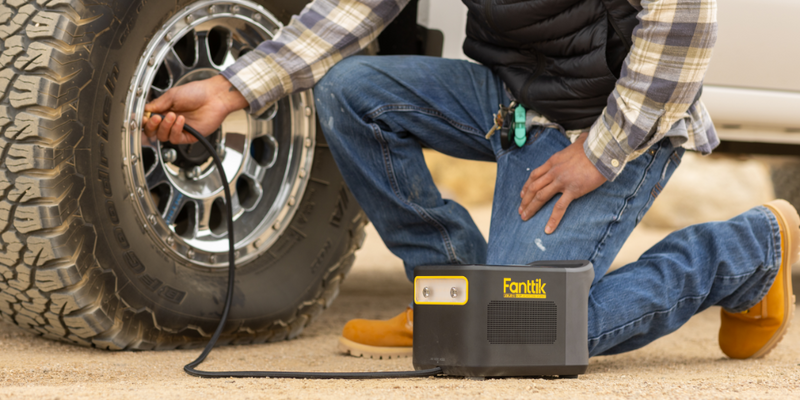
Seasonal tasks, such as tire inflation or spring cleaning, place unique stresses on portable tools. Traditional motors often suffer from "thermal drift"—a drop in performance as the tool heats up.
The Problem with Heat Build-up
During extended use, such as inflating four large SUV tires, internal heat causes the copper windings in a motor to increase in resistance. This can lead to a "death spiral": the motor draws more current to maintain speed, which generates even more heat, eventually triggering a thermal cutoff.
High-efficiency motors mitigate this through:
- Reduced Internal Friction: No brushes means no heat from contact points.
- Better Airflow: Smaller motor housings allow for more effective cooling paths.
- Active Monitoring: Modern brushless controllers can down-regulate power before a critical heat threshold is reached, protecting internal components.
For tasks like tire maintenance, an efficient motor maintains a more stable output. This allows for quicker inflation of multiple tires without the mandatory "cool-down" periods often required by older, brushed compressors.
The Wattage Myth: Why "Lower" is Often "More"
One of the biggest hurdles for DIYers is the "Wattage Trap." Marketing often suggests that higher wattage equals a more powerful tool. In the world of high-efficiency motors, this is frequently a fallacy.
Wattage measures the energy consumed, not the work performed. A 600W brushed motor might only deliver 400W of actual mechanical power to the chuck, with the rest wasted as heat. A high-efficiency 450W brushless motor, operating at ~90% efficiency, delivers roughly the same 400W of mechanical power while drawing significantly less energy from your battery.
The Benefits of Miniaturization
This efficiency allows for smaller, more ergonomic tools. For the DIYer, this means less fatigue and the ability to fit tools into cramped engine bays. As noted in the manufacturer insight The Impact of Miniaturization on Motor Torque Efficiency (Brand Whitepaper), the reduction in tool size often correlates with a more precise application of torque, which can reduce the risk of stripped fasteners.
Compliance, Safety, and Engineering Trust
When choosing high-efficiency gear, it is vital to look for a robust "Trust Architecture." High-performance tools operate at higher internal frequencies and require sophisticated electronic protection.
Regulatory Standards to Watch
- EU General Product Safety Regulation (EU) 2023/988: This regulation emphasizes manufacturer responsibility for ensuring complex electronic tools are safe. High-efficiency tools should have clear traceability. Primary legal text at EUR-Lex.
- IEC 60529 (IP Ratings): For tools used in automotive or outdoor settings, the "International Protection" rating is critical. An efficient motor needs protection from the dust and moisture common in a garage.
- UN 38.3: Since most high-efficiency tools are cordless, ensure batteries meet these transport safety standards. Refer to the IATA Lithium Battery Guidance for safety details.
As detailed in The 2026 Modern Essential Gear Industry Report (Manufacturer Industry Report), credibility in the modern market is built by communicating reliability and safety margins rather than just aesthetics.

Practical Tips for Transitioning to High-Efficiency Tools
If you are looking to modernize your workshop, consider these three "rules of thumb" based on common workshop best practices:
- The 80/20 Spec Check: Don't just look at peak torque. Look at "Sustained Output." A tool that can maintain 80% of its power for 20 minutes is generally more valuable for a sustainable workshop than one that hits 100% for 2 minutes and then overheats.
- Verify the "Brain": Ensure the tool has an intelligent controller. Look for features like "Overload Protection" and "Electronic Torque Control."
- Invest in the Platform: High-efficiency tools are most sustainable when they share a battery ecosystem. This reduces the number of chargers and batteries you need to manage and eventually recycle.
Maintenance for Longevity
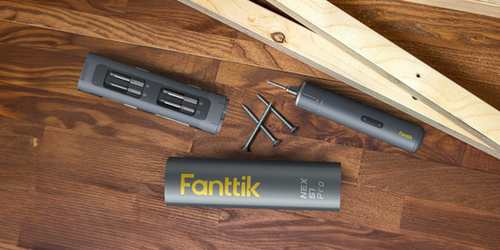
While brushless motors are often marketed as "maintenance-free," they still require care. We recommend keeping cooling vents clear of debris. As discussed in Maintaining Cooling Vents to Extend Compact Motor Lifespan (Manufacturer Insight), a blocked vent can lead to "hot spots" on the electronic controller, even if the motor itself is running cool.
Building a Legacy of Self-Reliance
The choice to invest in high-efficiency motors is a choice to build a more resilient workshop. By prioritizing tools that offer better torque-to-energy ratios and reduced thermal waste, you are not only making your projects easier but also helping ensure your gear performs for years to come.
Sustainability in the DIY world is about competence, reliability, and the intelligent application of power. As you upgrade your toolkit, remember that one of the most sustainable choices is a tool that performs reliably every time you reach for it.
Disclaimer: This article is for informational purposes only and is based on general industry experience. It does not constitute professional engineering, automotive, or safety advice. Always consult your tool's manual and follow local safety regulations (such as OSHA or EU GPSR) when performing DIY repairs. If you are unsure about a mechanical task, consult a certified professional.
Sources
Continue reading
 Upgrading to Smart BMS for Better Energy Density and Safety
Covers active vs. passive balancing, coulomb counting, ISO 26262 standards, and a winter fleet efficiency case study.
Upgrading to Smart BMS for Better Energy Density and Safety
Covers active vs. passive balancing, coulomb counting, ISO 26262 standards, and a winter fleet efficiency case study.
 How Efficient Tire Inflation Improves Vehicle Fuel Economy
Covers rolling resistance physics, annual cost modeling for road trippers, and how to avoid common inflation pitfalls with...
How Efficient Tire Inflation Improves Vehicle Fuel Economy
Covers rolling resistance physics, annual cost modeling for road trippers, and how to avoid common inflation pitfalls with...

Leave a comment
This site is protected by hCaptcha and the hCaptcha Privacy Policy and Terms of Service apply.