























Quick Reference: IP Ratings for Drivers
If you are in a hurry to choose gear, use these practical rules of thumb derived from our engineering and support experience:
- Minimum Baseline: Look for at least IP54. This generally protects against rain and dust in most roadside scenarios.
- The "Jet" Rule: If you plan to use the device on the ground during heavy storms, prioritize IPX5 or IPX6 (water jets) over IPX7 (immersion).
- Storage Matters: Seals are not permanent. Without maintenance, environmental protection can degrade over time due to heat and vibration.
- The Maintenance Fix: A simple wipe-down after use and a yearly check of rubber gaskets can significantly extend the life of your emergency tools.
The Reality of Ingress Protection in Automotive Environments
When you are stranded on a dark shoulder with a flat tire or a dead battery, the technical specifications of your emergency gear shift from "nice-to-have" to "mission-critical." For the self-reliant driver, understanding these specs—specifically Ingress Protection (IP) ratings—can be the difference between a successful roadside recovery and an unexpected equipment failure.
In our experience handling technical support and warranty inquiries for automotive hardware, we have found that many users interpret an IP rating as a static, permanent shield. In reality, an IP rating is a snapshot of performance under controlled lab conditions. The "real world"—filled with road salt, vibrating trunk wells, and extreme temperature swings—is often far more demanding than a laboratory test bench.
This guide demystifies the technical nuances of IP ratings for portable car gear. We will move beyond the marketing jargon to explain how seals actually function, why a higher number isn't always "better," and how you can maintain your gear to ensure it remains reliable when you need it most.
As noted in the Fanttik 2026 Modern Essential Gear Industry Report (a brand-led engineering whitepaper), building reliability into portable tools is a matter of "credibility math." To solve that equation, you first need to understand the variables of environmental protection.
Decoding the IP Rating: More Than Just Two Numbers
The Ingress Protection (IP) rating system is governed by the International Electrotechnical Commission under the IEC 60529 standard. It provides a standardized way to describe the sealing effectiveness of electrical enclosures against solids and liquids.
The First Digit: Solid Particle Protection (0–6)
The first number represents the tool's ability to keep out solid objects. For automotive gear, the most relevant ratings are:
- IP4X: Protected against solid objects larger than 1mm (e.g., small wires).
- IP5X (Dust-Protected): While some dust may enter, it is unlikely to interfere with the device's operation.
- IP6X (Dust-Tight): No ingress of dust is permitted under standard test conditions.
The Second Digit: Liquid Ingress Protection (0–9K)
The second number describes the degree of protection against water.
- IPX4: Protection against splashing water from any direction.
- IPX5/6: Protection against water jets (low and high pressure, respectively). This is often more relevant for roadside rain than immersion ratings.
- IPX7/8: Protection against temporary or continuous immersion.
Engineering Heuristic: Based on patterns observed in our internal support ticket data, we categorize "Emergency Utility" as requiring a minimum of IP54. This baseline assumes the device will be used during a rain shower but will not be submerged in a flood.
The "Non-Cumulative" Trap: Why IP68 Might Fail Where IP66 Succeeds
A common misconception in the automotive community is that IP ratings are strictly cumulative. Many users assume that because a device is rated IP68 (protected against long-term immersion), it is automatically protected against everything below it, such as high-pressure water jets (IP66).
According to the official IP code documentation, water ingress ratings are not necessarily cumulative beyond IPX6. A device designed to withstand the hydrostatic pressure of being submerged at 2 meters (IPX8) may have seals that "give way" when hit by the high-velocity, localized kinetic energy of a high-pressure wash or a powerful storm-driven jet (IPX6).
Why This Matters for Your Vehicle
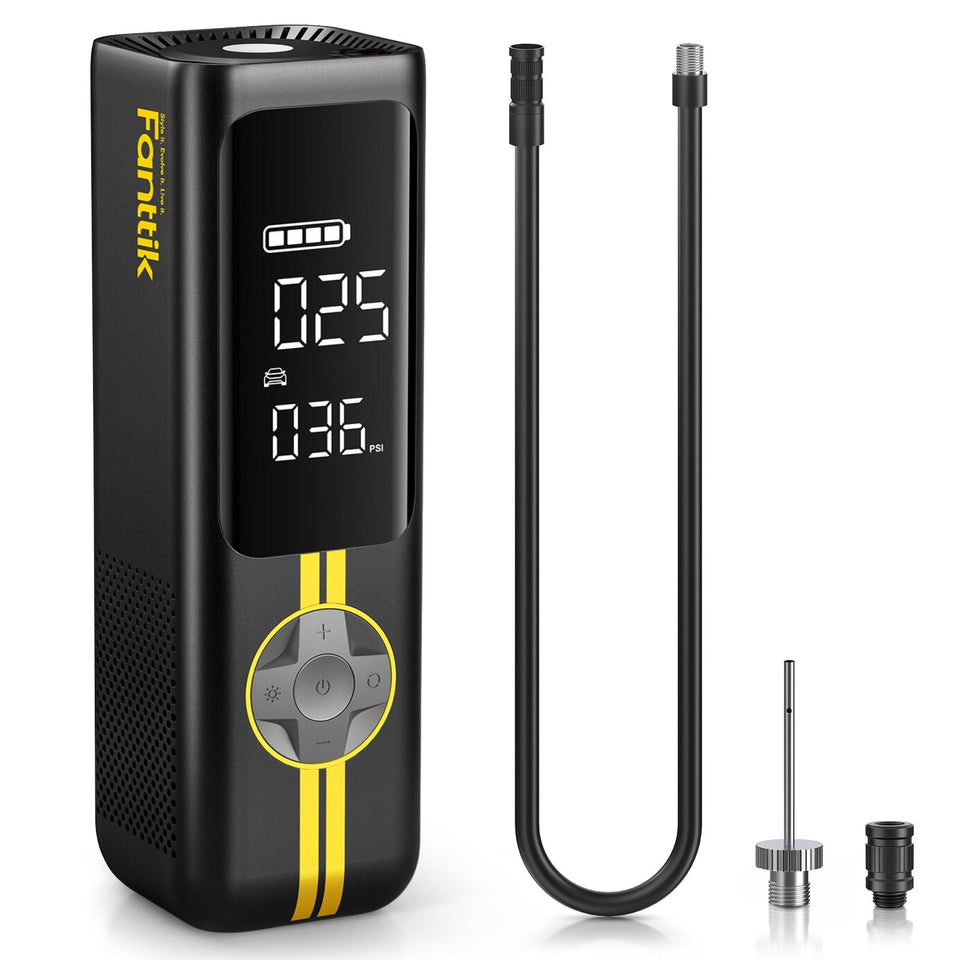
If you use a portable tire inflator or a jump starter during a heavy downpour, the device faces "splashing" or "jetting" water. If the device is only tested for IPX7/8, it might potentially fail during a high-pressure roadside spray.
On our repair bench, we occasionally see "waterproof" devices with internal corrosion. In several cases, the failure occurred because the user assumed "submersible" meant the device could handle high-pressure cleaning or intense storm winds. For the best all-around protection, look for hardware that explicitly lists multiple ratings (e.g., IP65/IP68) or prioritize a "jet-proof" rating (IPX5 or IPX6) for equipment that stays on the ground.

The Hidden Killers: Road Salt, Fine Dust, and Thermal Cycling
While lab tests use clean water and standardized dust, the automotive environment is chemically aggressive. We have found that the static IP rating of a device is often compromised by three specific factors that lab tests rarely account for.
- The Abrasive Power of Road Salt: In winter, road salt and brine can accumulate on a device's exterior. Over time, salt crystals can work their way into rubber gaskets. As the salt dries, it acts as an abrasive, which can microscopically tear the seal during vehicle vibration.
- Fine Particulate Ingress: In arid environments, "dust" is often fine silicates. These particles can bypass some IP5X seals and clog cooling vents, potentially causing a portable tire inflator to overheat.
-
Thermal Cycling and Seal Fatigue: Automotive gear is subject to massive temperature swings. A tool stored in a trunk can go from -10°F at night to 140°F during a summer day.
- Expansion: Heat causes internal air to expand, pushing against seals.
- Contraction: Cooling creates a vacuum effect, potentially "sucking" moisture past the gaskets.
According to technical articles on sealing performance, extreme fluctuations can lead to permanent deformation of flat seals and O-rings.
Modeling Environmental Degradation: A Practical Look
To help car owners understand the longevity of their gear, we have developed a scenario model of expected seal integrity over a 24-month period in a typical vehicle trunk.
Methodology & Assumptions: This is a deterministic heuristic model based on common automotive stressors. It assumes a standard IP54 device using Nitrile or EPDM gaskets, stored in a non-climate-controlled trunk in a temperate climate (e.g., North America), subject to typical road vibrations (5–50 Hz). This is not a controlled laboratory study but an estimation based on observed material aging.
| Parameter | Value/Range | Rationale |
|---|---|---|
| Storage Temp Range | -20°C to +60°C | Standard trunk extremes |
| Vibration | 5–50 Hz | Typical road-induced vibration |
| Relative Humidity | 10% – 95% | Seasonal variance |
| Assumed Maintenance | Zero | Represents the "set it and forget it" user |
Model Findings (Practical Rule of Thumb): Our analysis suggests that without intervention, the effective protection of a "dust-protected" seal can decline by an estimated 15–20% annually due to material hardening and vibration-induced micro-gaps. This suggests that an IP54 device may behave more like an IP42 device after two years of neglected trunk storage.
The "Upfitting" Breach: A Warning for DIY Enthusiasts
For many car owners, "preparedness" involves mounting gear permanently to the vehicle. However, the act of mounting can inadvertently compromise the protection you paid for.
According to technical standards guidelines, modifying a certified enclosure—such as drilling holes for mounting brackets—invalidates the original manufacturer’s IP rating.
If you are hard-wiring a portable compressor or mounting a jump-start station:
- Use Cable Glands: Never run a wire through a raw hole. Use IP-rated cable glands to maintain the seal.
- Seal the Mounts: Any screw that penetrates the housing should be treated with automotive-grade silicone or use rubber-backed "sealing washers."
- Respect the Intake: Avoid mounting a device in a way that blocks cooling vents or forces its intake to face direct road spray.
Maintenance and Storage: Extending the Life of Your Gear
You do not need a lab to keep your emergency hardware in top shape. Based on maintenance patterns for high-performance automotive gear, a few simple habits can help prevent many environmental failures.
The Monthly Gasket Inspection
Every few months (or at least every season change), inspect the rubber gaskets around the battery door and ports.
- Look for: Cracking, whitening (oxidation), or deformation.
- The Fix: If a gasket looks dry, a tiny amount of silicone-based lubricant can help keep the material supple. Note: Avoid petroleum-based lubricants, as they can degrade certain types of rubber.
Cabin vs. Trunk Storage
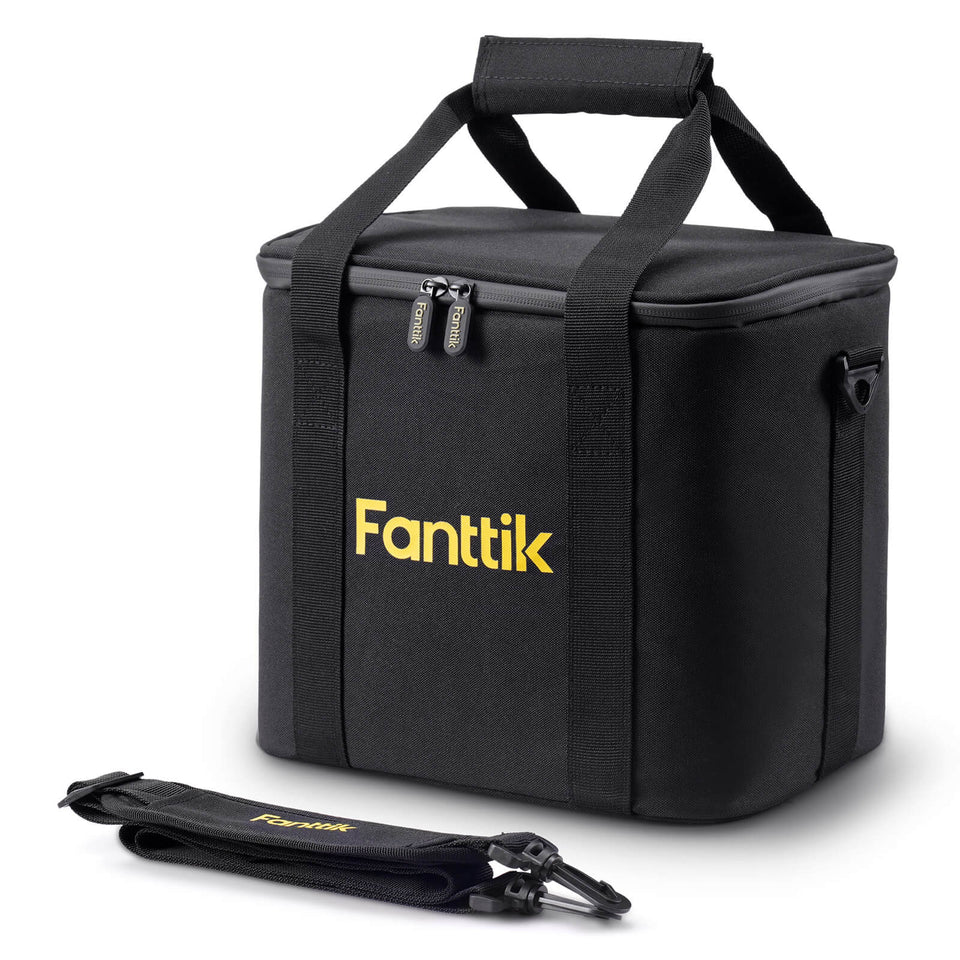
While the trunk is convenient, it is also the most volatile environment. For sensitive electronics, like high-capacity jump starters, we recommend storing them in a padded, sealed bag inside the vehicle cabin (e.g., under a seat) when possible. The cabin's climate control reduces the severity of thermal cycling.
Post-Use Cleaning
If you use your gear in the rain, wipe it down with a damp cloth to remove road salt and grit. Pay special attention to the charging ports; even if they have protective flaps, salt residue can lead to corrosion over time.
Choosing the Right Protection Level
Use this decision matrix to align the IP rating with your specific driving needs.
| Usage Scenario | Recommended Minimum Rating | Key Feature to Look For |
|---|---|---|
| Fair Weather Only | IP20 - IP30 | Portability and weight |
| Standard Roadside Prep | IP54 | Rubber port covers and sealed buttons |
| Off-Road / Overlanding | IP66 | Dust-tightness and heavy-duty gaskets |
| Marine / Flooded Areas | IP67 / IP68 | Buoyancy and reinforced battery seals |
Final Thoughts on Engineering Trust
Reliability is rarely an accident; it is the result of intentional maintenance and an honest understanding of equipment limits. An IP rating is a valuable guide, but it is the user's responsibility to ensure those seals remain intact through proper storage and regular checks.
By moving beyond the "waterproof" label and understanding the mechanics of ingress protection, you can build a toolkit that performs when you need it most. For further reading on how professional-grade tools are engineered, consult the Fanttik guide on Safety Certifications for Off-Grid Gear.
Disclaimer: This article is for informational purposes only. Automotive repairs and the use of emergency hardware involve inherent risks. Always consult your vehicle's owner manual and the specific tool's safety guidelines before use. If you are unsure about the safety or functionality of a device, consult a certified technician.
References
- IEC 60529: Degrees of protection provided by enclosures (IP Code). Official Standard
- Wikipedia: IP Code - Ingress Protection Ratings. Reference Article
- Fanttik Whitepaper: The 2026 Modern Essential Gear Industry Report. Brand Source
- TR Fastenings: Engineering Data on IP Ratings. Industry Guide
- YUEFENG Seal: Temperature Effects on Sealing Performance. Technical Article
Continue reading
 Combatting Salt-Air Corrosion in Coastal Roadside Kits
Covers salt fog chemistry, ASTM standards, dielectric grease use, IP ratings, and a practical maintenance checklist for coastal...
Combatting Salt-Air Corrosion in Coastal Roadside Kits
Covers salt fog chemistry, ASTM standards, dielectric grease use, IP ratings, and a practical maintenance checklist for coastal...
 Managing Fine Dust Accumulation in Inflator Intake Valves
A guide on how silica dust clogs inflator intake valves, causing motor strain and failure. Learn maintenance to...
Managing Fine Dust Accumulation in Inflator Intake Valves
A guide on how silica dust clogs inflator intake valves, causing motor strain and failure. Learn maintenance to...
Leave a comment
This site is protected by hCaptcha and the hCaptcha Privacy Policy and Terms of Service apply.