










































The Invisible Saboteur: Why Coastal Air Challenges Your Emergency Gear
There is a specific kind of peace that comes with living by the ocean—the rhythmic sound of the waves and the cool, mist-laden breeze. However, for those of us who maintain vehicles and emergency kits in these regions, that same breeze carries a silent, microscopic saboteur: sodium chloride. Coastal humidity is not just "wet"; it is chemically aggressive.
If you have ever opened your trunk to find a roadside tool seized by a fine layer of white crust or reddish-brown flakes, you have witnessed the "credibility math" of environmental degradation. In seaside climates, emergency gear is often stored in high-humidity environments for months without use. When a crisis finally occurs—a flat tire on a foggy evening or a dead battery after a week of heavy rain—the tools we rely on may have already succumbed to the environment.
At our repair benches, we frequently see portable electronics and mechanical tools fail not because of poor design, but because the interface between the tool and the salt-laden atmosphere was never managed. This article provides a definitive maintenance framework to ensure your roadside kit remains a reliable lifeline, rather than a corroded liability.
The Chemistry of Coastal Corrosion: Understanding the 100-Hour Window
To protect your gear, you must first understand the mechanism of its destruction. Coastal air is a suspension of "salt fog"—tiny droplets of seawater that can travel miles inland. Unlike standard inland humidity, salt fog introduces ions that dramatically increase the electrical conductivity of moisture.
According to established engineering principles, such as the ASTM G85 salt fog testing protocols, the failure mode for uncoated steel connectors can initiate in as little as 100 hours of continuous exposure. This means that in a high-humidity coastal season, the process of "pitting corrosion"—where small holes form in the metal surface—can begin within a single week of neglect.
Logic Summary: Our assessment of corrosion risk assumes a "High-C5" corrosivity category (based on ISO 9223 standards) typical of coastal zones within 5km of the shoreline. We model the "failure window" based on the accelerated degradation of non-passivated metals when exposed to a 5% saline solution at 95% relative humidity.
| Parameter | Value or Range | Unit | Rationale / Source Category |
|---|---|---|---|
| Salt Concentration | 3.5 - 5.0 | % | Typical seawater salinity / ASTM G85 baseline |
| Relative Humidity | 75 - 98 | % | Coastal morning/evening averages |
| Initiation Time (Uncoated) | ~100 | Hours | Common engineering failure baseline for carbon steel |
| Inspection Frequency | 30 - 60 | Days | Professional shop recommendation for humid zones |
| Neutralization pH | 8.0 - 9.0 | pH | Target alkalinity for acid residue neutralization |

The "Vehicle Interface" Problem: Where Kits Most Often Fail
A common misconception is that the emergency tool itself is the primary failure point. While tool longevity is vital, our analysis of automotive electrical systems suggests that the most frequent point of failure in a coastal emergency is the interface between the kit and the vehicle’s own infrastructure.
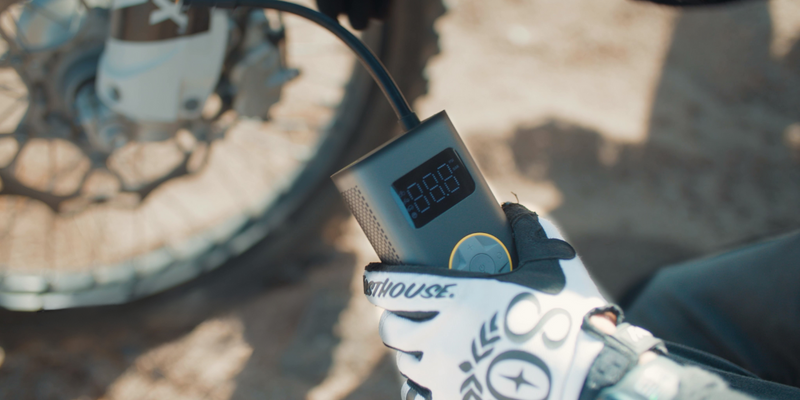
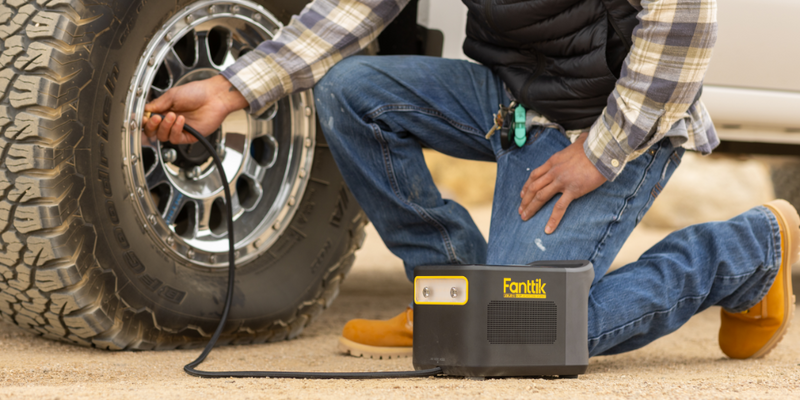
For instance, a portable jump starter is an incredible asset, but it is rendered useless if the car’s battery terminals are obscured by a thick layer of lead-sulfate corrosion—a condition disproportionately common in salt-heavy regions. Similarly, a high-performance tire inflator cannot function if the vehicle's tire valve stems have "seized" due to galvanic corrosion between the brass valve core and an aluminum stem.
In coastal marine repair shops, the professional approach is to treat the vehicle and the kit as a single ecosystem. This involves proactive maintenance of the "connection points" before the first sign of trouble appears.
Existing Insight: Humidity and Hoses
Professional Maintenance Protocol: Cleaning and Protecting Metal Contacts
Maintaining gear in a coastal environment requires more than just a quick wipe-down. It requires a "belt and suspenders" strategy that combines deep cleaning with chemical barriers.
1. The Neutralization Phase
If you are dealing with battery terminals or portable jump starter clamps, you are often fighting two enemies: salt and acid residue. Professionals recommend cleaning these metal surfaces with a solution of baking soda and water.
- For Terminals: Create a thick paste and apply it to the metal. You will see it bubble as it neutralizes the acid.
- For Tool Casings: Use a lightly dampened cloth with the solution to wipe down the exterior, followed immediately by a dry microfiber cloth.
2. The Barrier Phase: Dielectric Grease vs. Petroleum Products
A frequent mistake we see on the repair bench is the use of petroleum-based products like WD-40 for long-term protection. While these products are excellent for displacing water initially, they tend to attract dust and can degrade certain plastics and rubber seals over time.
Instead, apply a thin layer of silicone-based dielectric grease to all unsealed electrical connectors and metal-to-metal contact points before corrosion starts. This grease acts as a non-conductive moisture barrier that prevents salt ions from reaching the metal surface.
3. Deep Cleaning "Hidden" Surfaces
Corrosion is an opportunist; it often starts under screw heads, within the threaded fittings of air hoses, and behind the buttons of your digital displays. During your deep cleans (which should occur monthly in high-humidity seasons), we recommend disassembling removable fittings to inspect the threads.
Existing Insight: Spring Tool Revival
Beyond the Label: Selecting Corrosion-Resistant Gear
When building your coastal roadside kit, you should look for specific, actionable features rather than just a "marine-grade" marketing label. While true marine alloys like 316 stainless steel are ideal, they can be expensive. A more practical approach for the consumer is to identify gear designed with "environmental sealing."
Key Features to Prioritize:
- IP66 or Higher Ratings: According to the International Electrotechnical Commission (IEC) 60529 standard, an IP66 rating indicates a device is "dust-tight" and protected against powerful jets of water. This level of sealing is typically sufficient to keep salt fog out of internal circuitry.
- Encapsulated Contacts: Look for tools where the electrical contact points are recessed or covered by silicone flaps.
- Stainless Steel Fasteners: Check if the external screws are made of Type 304 or 316 stainless steel. These are much less likely to "bleed" rust onto the rest of the tool.
- Silicone-Sealed Switches: Mechanical buttons are a common entry point for moisture. Silicone covers provide a physical barrier that maintains functionality.
Scenario Analysis: Two Coastal Preparedness Profiles
Scenario A: The Standard Coastal Resident
- Environment: Lives 5-10 miles from the coast, parks in a garage.
- Risk Level: Moderate. Corrosion is a slow build-up over 12-24 months.
- Strategy: Bi-monthly inspections. Focus on keeping the kit dry and using a basic protective spray on metal bits.
Scenario B: The "Salt-Spray" Frequent Traveler
- Environment: Parks daily near docks, beaches, or on the street in a coastal town.
- Risk Level: High. Corrosion can initiate within weeks.
- Strategy: Monthly deep cleans. Mandatory application of dielectric grease to all terminals. Storage of the kit in a secondary airtight "dry bag" within the trunk.
Engineering Trust: The 2026 Perspective
As we look toward the future of automotive preparedness, the industry is moving toward a philosophy of "credibility math." As highlighted in the industry report, The 2026 Modern Essential Gear Industry Report: Engineering Trust in a Cordless World, trust is no longer just about a tool's peak performance; it is about its "lifecycle reliability."
For a coastal resident, a tool's value is zero if it cannot survive the environment it is stored in. This is why brands are increasingly focusing on visible compliance and robust thermal/environmental design. When you choose gear that meets EU General Product Safety Regulation (EU) 2023/988 standards, you are investing in a product that has been vetted for the "foreseeable conditions of use"—which, for many of us, includes the harsh, salty air of the shoreline.

The Maintenance Calendar: A Checklist for Reliability
To ensure your gear is ready when you are, we recommend the following "Shop Practical Baseline" for coastal maintenance:
-
Monthly (High Humidity Season):
- Open the kit and inspect for "white powder" (oxidation) on terminals.
- Wipe down all surfaces with a dry microfiber cloth.
- Check tire valve stems on the vehicle; apply a tiny drop of silicone oil to the threads.
-
Bi-Monthly (Dry/Off-Season):
- Check battery charge levels (lithium-ion batteries should be stored between 50-80% for longevity).
- Cycle the tool (turn it on for 30 seconds) to ensure internal components are moving freely.
-
Annually:
- Deep clean all threaded fittings with a soft brush and baking soda solution.
- Re-apply dielectric grease to all electrical contact points.
Existing Insight: Off-Season Battery Care
Final Thoughts on Coastal Resilience
The ocean is a demanding neighbor. It requires us to be more vigilant and more deliberate in how we care for our tools. By shifting from a "set it and forget it" mentality to a proactive maintenance schedule, you transform your roadside kit from a vulnerable collection of metal and plastic into a hardened system of self-reliance.
Remember, the goal is not to find a tool that is "invincible" to salt—it is to build a maintenance habit that makes corrosion irrelevant. Clean your contacts, seal your connectors, and trust in the math of preparedness.
Disclaimer: This article is for informational purposes only and does not constitute professional automotive repair or safety advice. Always refer to your vehicle's owner's manual and the specific safety documentation provided by tool manufacturers. Handling automotive batteries and pressurized tires involves inherent risks; if you are unsure of a procedure, consult a certified mechanic.
Sources
Continue reading
 Safe Jump-Starting Procedures During Heavy Downpours
Covers moisture physics, diesel truck scenario modeling, IP ratings, and post-use maintenance for jump-starter longevity.
Safe Jump-Starting Procedures During Heavy Downpours
Covers moisture physics, diesel truck scenario modeling, IP ratings, and post-use maintenance for jump-starter longevity.
 Demystifying IP Ratings for Emergency Automotive Hardware
Understand IP ratings for tire inflators and jump starters to ensure your automotive tools remain reliable in real-world...
Demystifying IP Ratings for Emergency Automotive Hardware
Understand IP ratings for tire inflators and jump starters to ensure your automotive tools remain reliable in real-world...


Leave a comment
This site is protected by hCaptcha and the hCaptcha Privacy Policy and Terms of Service apply.