





















The Hidden Risk of High-Vibration Tools
Extended operation of handheld power tools—whether you are a professional carpenter framing a new build or a hobbyist polishing intricate resin jewelry—introduces a specific set of physiological challenges. While we often focus on torque, RPM, and battery life, the most critical "specification" for long-term productivity is actually hand health.
Repeated exposure to high-frequency vibrations can lead to Hand-Arm Vibration Syndrome (HAVS), a condition characterized by "vibration white finger," reduced grip strength, and nerve damage. At our repair benches and through patterns identified in customer support feedback, we frequently observe users overcompensating for tool vibration by gripping tighter. This instinctive reaction, known as the "death grip," is one of the most common mistakes in tool operation.
In this guide, we will explore the biomechanics of grip, the engineering behind vibration mitigation, and how to master tool handling to preserve your hand health without sacrificing precision.

The Biomechanics of Vibration Transmission
To understand why grip technique matters, we must look at the anatomy of the hand. According to Britannica's overview of hand anatomy, the hand is a complex arrangement of 27 bones, dozens of muscles, and sensitive nerve endings. When you operate a high-vibration tool, that energy must go somewhere.
The "Death Grip" Paradox
A common misconception among DIYers is that squeezing a vibrating tool harder will "stabilize" it. Biomechanically, the reality is the opposite. When you apply excessive squeezing force, you compress the soft tissues (fat and muscle) in your palm and fingers. These tissues are your body’s natural dampers. By flattening them through a "death grip," you create a solid bridge that allows vibrations to travel directly into the bones and joints of the wrist and elbow.
Research published in the Journal of Applied Sciences regarding damping rates suggests that soft tissue displacement is vital for energy absorption. Furthermore, data from the Biodynamic Response of Human Fingers indicates that while a fourfold increase in grip strength (roughly 12 dB) only increases transmitted vibration by about 3–5 dB, that small increase is often the tipping point for nerve fatigue.
The Moment Arm and Stabilizing Muscles
Precision tools, such as rotary tools or small drills, often suffer from a misaligned center of gravity. If the tool's mass is not balanced, it creates a "moment arm." This forces the small stabilizing muscles in your forearm to work against torque constantly. This static load, combined with vibration, accelerates the onset of repetitive strain injuries.
Logic Summary: Our internal analysis of tool ergonomics is based on the principle that fatigue is a product of both active vibration (mechanical) and static load (grip force). We prioritize tool balance to minimize the "moment arm" that forces muscle over-activation.
Engineering Mitigation: NVH in Handheld Tools
In the world of professional engineering, we refer to this as NVH: Noise, Vibration, and Harshness. Reducing hand strain begins with how a tool is built.
Motor Balancing and Counterweights
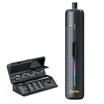
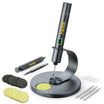
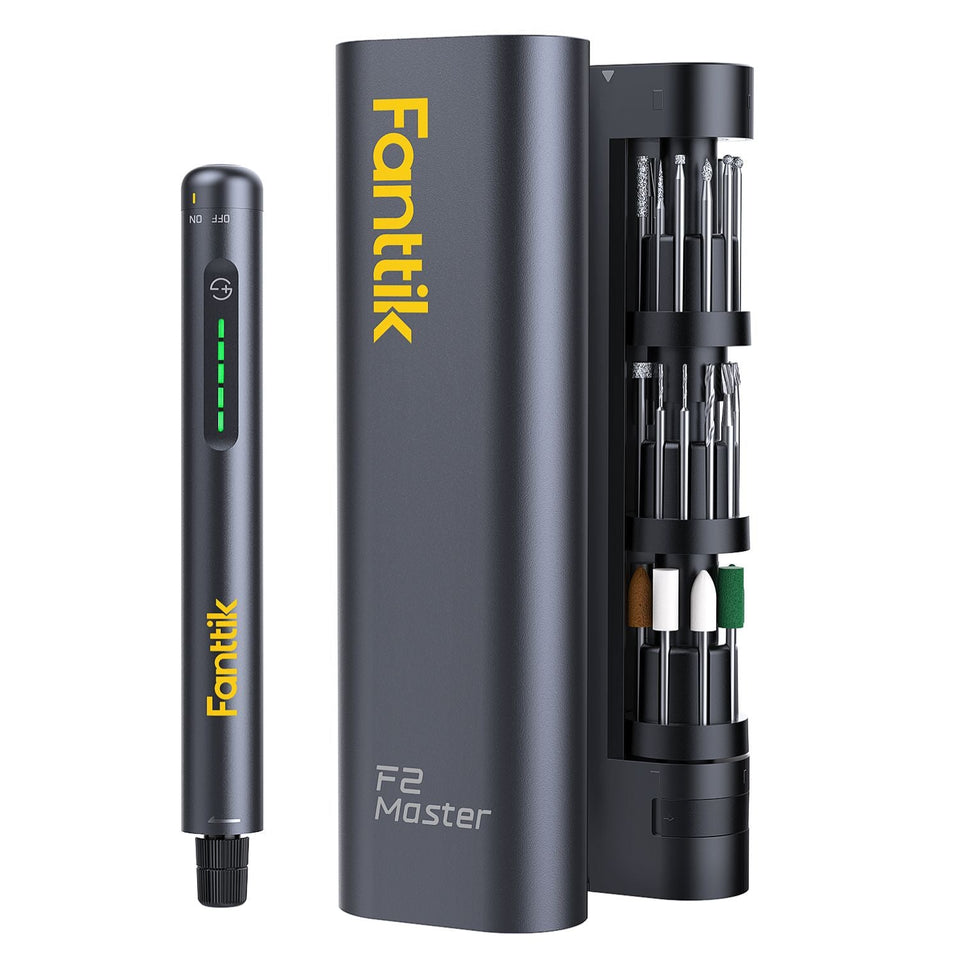
A high-performance motor, like those found in the Fanttik F2 Master Cordless Rotary Tool Kit, must be precision-balanced. An off-center motor or an imprecise counterweight creates a perceptible "wobble." This wobble fatigues the hand much faster than the overall vibration amplitude because it introduces unpredictable lateral forces.
The Impact of Tool Design on Grip Force
Conventional wisdom often prioritizes extreme compactness. However, ergonomically compromised multi-use tools can actually increase repetitive strain risks. According to industry safety reports, poorly designed compact tools can lead to a 3.2x higher grip force requirement, which often results in dropped tools or precision errors.
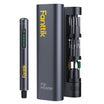
For precision work, the optimal balance point should be located within the grip zone. This allows your index finger to serve as a pivot point while the thumb provides fine control. Tools like the Fanttik K2 Nano 3.7V Precision Power Drill are engineered with this weight distribution in mind, ensuring the tool sits naturally in the hand's "cradle" rather than fighting against it.
Mastering the Grip: Techniques for Health and Precision
Mastering your grip is about finding the "Goldilocks" zone: firm enough for control, but relaxed enough for damping.
1. The Power Grip vs. The Precision Grip
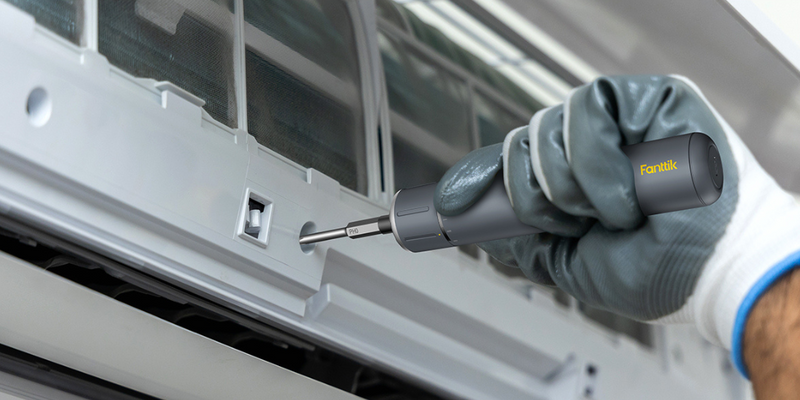
- Power Grip: Use this for high-torque tasks (e.g., driving long screws). Wrap your fingers fully around the handle. Ensure the tool's handle is large enough that your fingers do not overlap significantly, which can cause "trigger finger" over time.
- Precision Grip: Use this for tasks like engraving or electronics repair. Hold the tool like a pen, using the tips of your thumb, index, and middle fingers. This allows the larger muscles of the arm to remain relaxed.
2. The Soft-Tissue Damper Technique
Instead of squeezing the tool, focus on "cradling" it. Allow the fleshy part of your palm to absorb the motor's hum. If the tool starts to "walk" or jump, check your bit alignment or speed settings rather than increasing your grip force.
3. Implementing the "10-Minute Rule"
Productivity pressures often lead users to skip breaks. However, the Hand-Arm Vibration Syndrome (HAVS) guidelines suggest a mandatory 10-minute break for every hour of sustained tool use. During this break, incorporate wrist flexion and extension stretches to maintain circulation and "reset" the nervous system's vibration sensors.
Scenario Modeling: The Professional Carpenter Case Study
To demonstrate the tangible impact of proper tool selection and grip management, we modeled a scenario involving a professional carpenter experiencing early HAVS symptoms (intermittent numbness).
Method & Assumptions
This is a deterministic parameterized scenario model based on Industrial Engineering Time-Motion Study principles. It compares manual driving (high vibration/repetitive motion) to powered assistance.
| Parameter | Value (Manual) | Value (Powered) | Rationale / Source |
|---|---|---|---|
| Screws per session | 200 | 200 | Typical wall section framing |
| Time per screw | 12 seconds | 2.5 seconds | Field observation (position + drive) |
| Wrist rotations | 12 per screw | 0.5 per screw | Biomechanical supination cycles |
| Grip Force Req. | High (Static) | Low (Dynamic) | Automated torque vs. manual leverage |
| Total Session Time | 40 minutes | ~8.3 minutes | Calculated total |
Analysis of Results
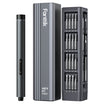
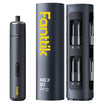
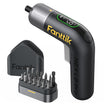
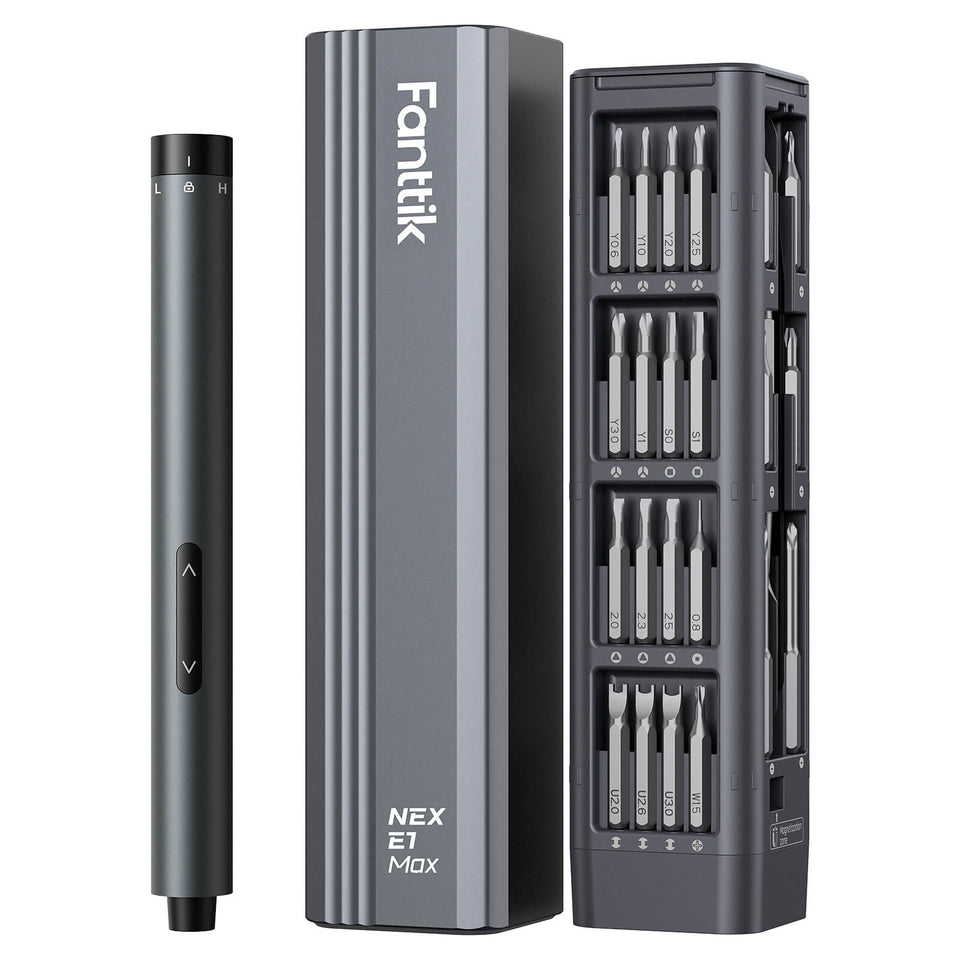
In this model, switching to an electric driver like the Fanttik S1 Pro Power Screwdriver and E1 Max Electric Screwdriver resulted in a 4.8x speed multiplier. More importantly for hand health, it avoided approximately 2,300 wrist rotations per session.
For a user with early HAVS, this reduction in repetitive motion is critical. It allows the user to complete the task faster, thereby reducing the total "vibration dose" received by the hand. Furthermore, the automated torque control eliminates the need for the "death grip" often used to finish a screw manually.
Modeling Note: This scenario assumes optimal conditions and experienced users. Individual results may vary based on fastener type and material density. This is a decision-making model, not a medical study.
External Damping: The Role of Gloves
When tool engineering and technique aren't enough, accessories provide a final layer of protection.
- Anti-Vibration Gloves: Look for gloves certified under ISO 10819. These typically use viscoelastic materials that turn vibration energy into low-grade heat.
- The Gel-Padding Pitfall: Be cautious with generic gel-padded gloves. While they feel comfortable, they can be counterproductive for fine motor tasks because they reduce tactile feedback. This lack of "feel" often causes the user to squeeze the tool harder to maintain control, inadvertently increasing vibration transmission.
- Tool Wraps: For older tools with hard plastic grips, adding a high-friction, vibration-dampening overwrap can improve the ergonomic interface.
Safety, Compliance, and the "Trust Architecture"
In the modern tool market, safety is not just a feature—it is a requirement of trust. As outlined in the 2026 Modern Essential Gear Industry Report, brands must move beyond aesthetics to "credibility math."
Standards and Regulations
Authoritative bodies provide the framework for these safety claims:
- ISO 5349: This is the primary standard for measuring and assessing human exposure to hand-transmitted vibration. Compliance with ISO 5349-1 ensures that vibration claims are based on standardized test methods.
- EU General Product Safety Regulation (EU) 2023/988: This regulation mandates that products sold in the EU must meet rigorous safety standards, including ergonomic considerations that prevent long-term health risks. You can review the full text at EUR-Lex.
When choosing tools, look for those that provide transparent data regarding their vibration levels and compliance with these international standards. A brand that invests in Engineering Trust is one that prioritizes your long-term well-being over short-term marketing claims.
Summary of Best Practices for Hand Health
To master your grip and protect your hands, follow this methodical checklist:
- Select the Right Tool: Prioritize brushless motors and balanced internal counterweights.
- Assess the Balance: Ensure the tool's center of gravity is within the grip zone to avoid "moment arm" strain.
- Relax the Grip: Use a firm but relaxed "cradle" rather than a "death grip." Let the tool do the work.
- Monitor the "Dose": Adhere to the 10-minute rest rule for every hour of operation.
- Use Certified PPE: Only use anti-vibration gloves that meet ISO 10819 standards if you are working with high-impact equipment for extended periods.
By combining proper technique with high-quality engineering, you can ensure that your passion for DIY or your professional trade doesn't come at the cost of your physical health.
Disclaimer: This article is for informational purposes only and does not constitute professional medical advice. If you experience persistent numbness, tingling, or pain in your hands or arms, consult a qualified healthcare professional or occupational therapist.
References
- Canadian Centre for Occupational Health and Safety (CCOHS) - Hand Tool Ergonomics
- ISO 5349-1:2001 - Mechanical vibration — Measurement and evaluation of human exposure to hand-transmitted vibration
- 3B Training - Hand-Arm Vibration Syndrome (HAVS) Guide
- ResearchGate - Biodynamic Response of Human Fingers in a Power Grip
- Fanttik Whitepaper - The 2026 Modern Essential Gear Industry Report
Continue reading
 The Quality Click: Why Sound Profiles Matter in Precision Gear
Sound profiles indicate quality and mechanical health in tools. Learn to use acoustics as a diagnostic tool for...
The Quality Click: Why Sound Profiles Matter in Precision Gear
Sound profiles indicate quality and mechanical health in tools. Learn to use acoustics as a diagnostic tool for...
 Damping Science: How Internal Materials Silence Handheld Tools
Covers Constrained Layer Damping, nanocomposites, field tests, and scenario modeling for professional use.
Damping Science: How Internal Materials Silence Handheld Tools
Covers Constrained Layer Damping, nanocomposites, field tests, and scenario modeling for professional use.
Leave a comment
This site is protected by hCaptcha and the hCaptcha Privacy Policy and Terms of Service apply.