






















The Science of Symmetry: Why Ambidextrous Grips Matter
In the world of precision engineering, we often speak about power, torque, and battery life. Yet, there is a silent architect of performance that many overlook: symmetry. For the modern maker, a tool is more than just a mechanical device; it is an extension of the hand. When that extension is biased toward one hand over the other, we introduce a subtle but persistent friction into the creative process.
We have spent years observing how tools interact with the human body, and we’ve found that true ambidexterity is not merely a marketing label—it is a biomechanical necessity. Whether you are a left-handed artisan navigating a right-handed world or a professional looking to reduce repetitive strain, understanding the science of symmetrical design is the first step toward a more inclusive and efficient workshop.
The Biomechanics of Balance: Beyond the Surface
A common misconception in tool design is that an "ambidextrous" tool is simply one that looks the same on both sides. In reality, achieving true balance requires a deep dive into internal architecture. Many manufacturers make the mistake of placing heavy internal components, like the motor or the battery pack, off-center to save space. While the shell might look symmetrical, this internal imbalance creates a subtle rotational torque.
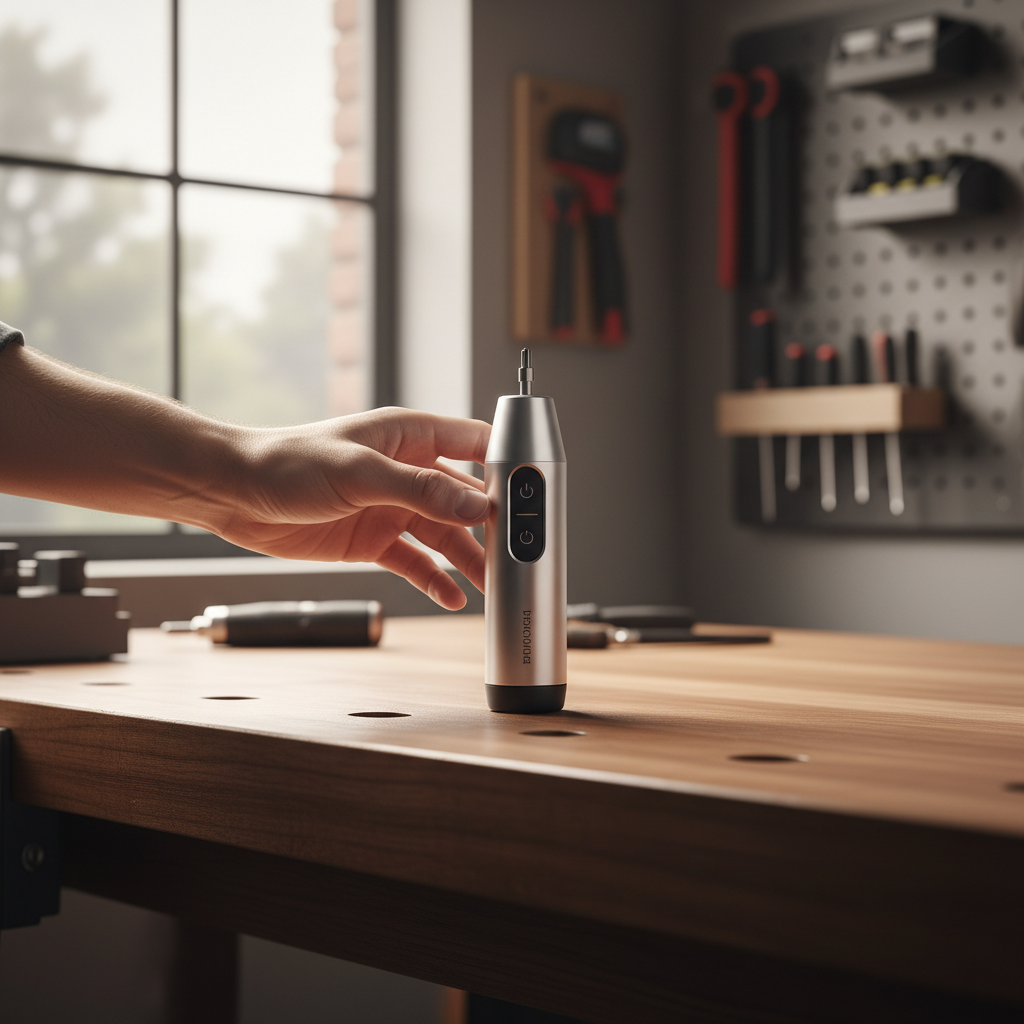
When you hold a tool with an off-center center of gravity, your hand must constantly fight to keep the tool upright. This creates "hotspot" pressure on the metacarpal bones and fatigues the non-dominant hand much faster than the dominant one. In our design sessions, we utilize a "hand-swap test" during prototyping. If a user can drive twenty screws with their non-dominant hand without consciously adjusting their grip or feeling uneven pressure, the balance is correct.
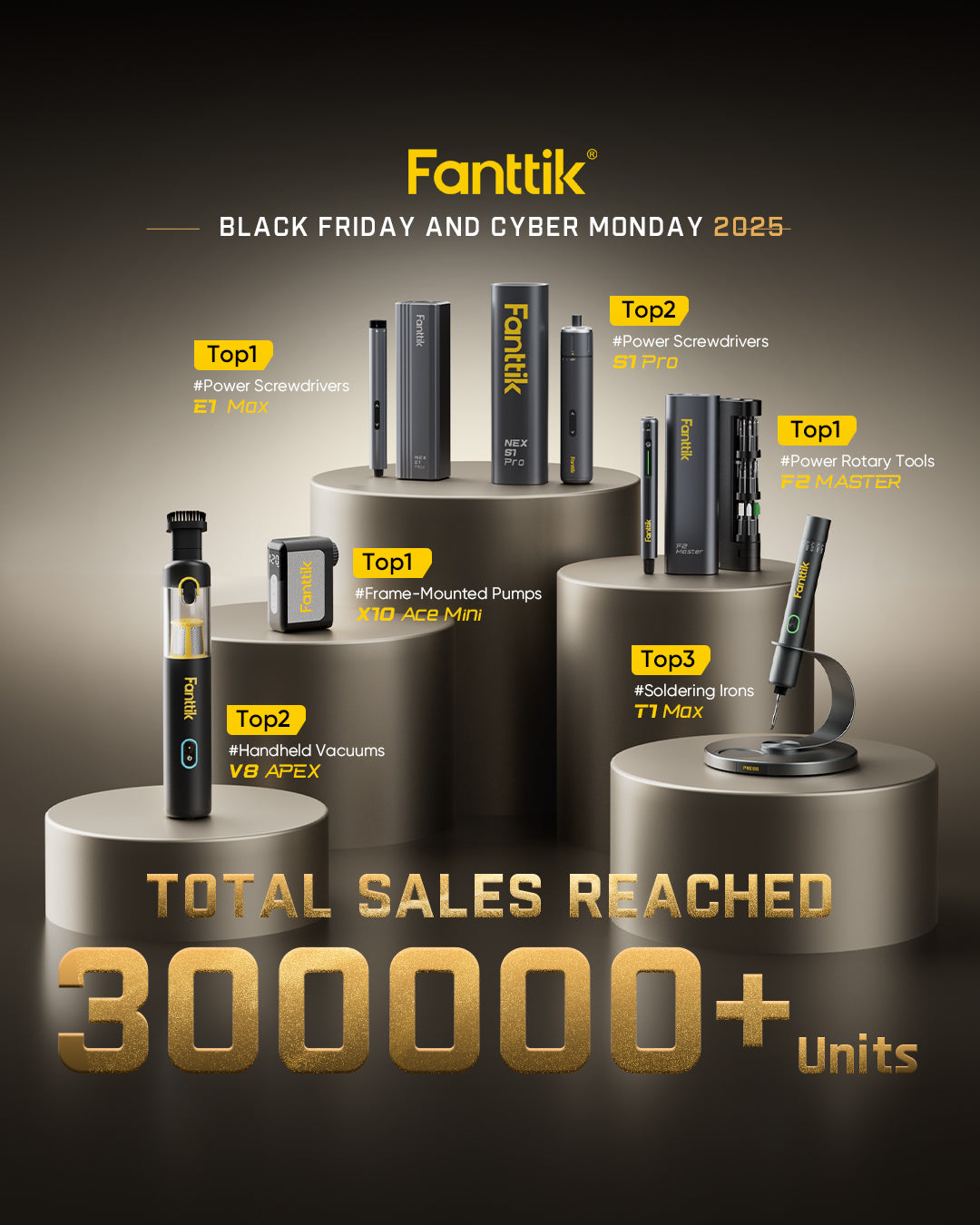
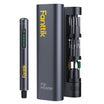
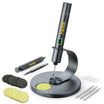
For high-speed instruments like the Fanttik F2 Master Cordless Rotary Tool Kit, this symmetry is vital. Even a 3-4mm offset in the alignment of the collet nut relative to the grip's centerline can cause a noticeable wobble when used left-handed. This wobble isn't just a nuisance; it affects the precision of detailed engraving and sanding, where the margin for error is measured in microns.
Logic Summary: Our emphasis on internal symmetry is grounded in the principle of "Neutral Axis Alignment." By aligning the motor's rotational mass with the handle's geometric center, we eliminate parasitic torque that causes hand drift during precision tasks.

The "Thumb Zone" and Cognitive Load
Ergonomics is often treated as a physical science, but it is equally a cognitive one. Every time you have to "hunt" for a button or shift your grip to reach a mode switch, your brain diverts focus away from the task at hand. This is known as cognitive load.
In a right-biased tool, a left-handed user must often use their index finger to operate switches designed for a right thumb. This is not just awkward; it’s inefficient. We follow a strict "Thumb Zone" rule: all primary controls must be accessible from a neutral grip position, regardless of which hand is holding the tool.
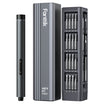
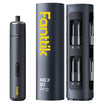
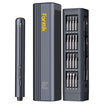
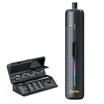
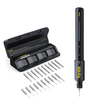
According to data from Alibaba Product Insights regarding ambidextrous ergonomics, neutral geometry in precision tools can achieve parity or even superior efficiency for a majority of users because it centralizes controls and minimizes extreme wrist deviations. This design philosophy is evident in the Fanttik K2 Nano 3.7V Precision Power Drill, where the interface is designed to be intuitive for both hands, allowing the maker to stay "in the flow."
Modeling the Impact: A Case Study for Left-Handed Makers
To demonstrate the tangible benefits of symmetrical, powered tools, we modeled a scenario involving a left-handed maker performing a common electronics assembly task (e.g., repairing a laptop or assembling a Raspberry Pi kit).
Traditional manual tools often force left-handed users into "thumb-push" grips on the non-contoured side of a handle, increasing metacarpal pressure and requiring frequent repositioning. Our model compares this experience against using a modern, ambidextrous electric driver.
Modeling Transparency: Assembly Time & Wrist Rotation Savings
Scenario: Assembly of 60 precision screws in a compact electronics housing.
| Parameter | Value | Unit | Rationale |
|---|---|---|---|
| Task Volume | 60 | Screws | Standard laptop/electronics repair project. |
| Manual Time (LH) | ~18 | Minutes | 20% time penalty for LH users on RH-biased manual tools. |
| Powered Time (LH) | ~3.5 | Minutes | High-efficiency drive with ambidextrous controls. |
| Manual Rotations | 12 | Per Screw | Increased due to suboptimal leverage for the left hand. |
| Powered Rotations | ~0.5 | Per Screw | Static grip with minor positioning adjustments. |
Key Findings:
- Time Savings: Switching to an ambidextrous electric driver saved approximately 14.5 minutes per project.
- Strain Reduction: The model showed a staggering reduction of ~690 wrist rotations per task.
- Safety Margin: For delicate M1.6 screws, using a tool with a consistent low-torque setting (like 0.05 Nm) provides a 2.5x safety margin above the minimum required torque while staying well below the stripping threshold.
Methodology Note: This is a scenario model, not a controlled lab study. We assumed a 20% inefficiency penalty for left-handed users on right-biased tools based on common patterns observed in community feedback and ergonomic compensation principles. Actual results will vary based on user skill and specific fastener types.
Unlocking Latent Capacity: The Bilateral Advantage
While we often design for comfort, there is a fascinating biological side effect to using ambidextrous tools. Research published in Sage Journals regarding bilateral motor training indicates that structured motor training with both hands can induce measurable cortical reorganization in the brain.
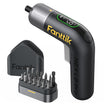
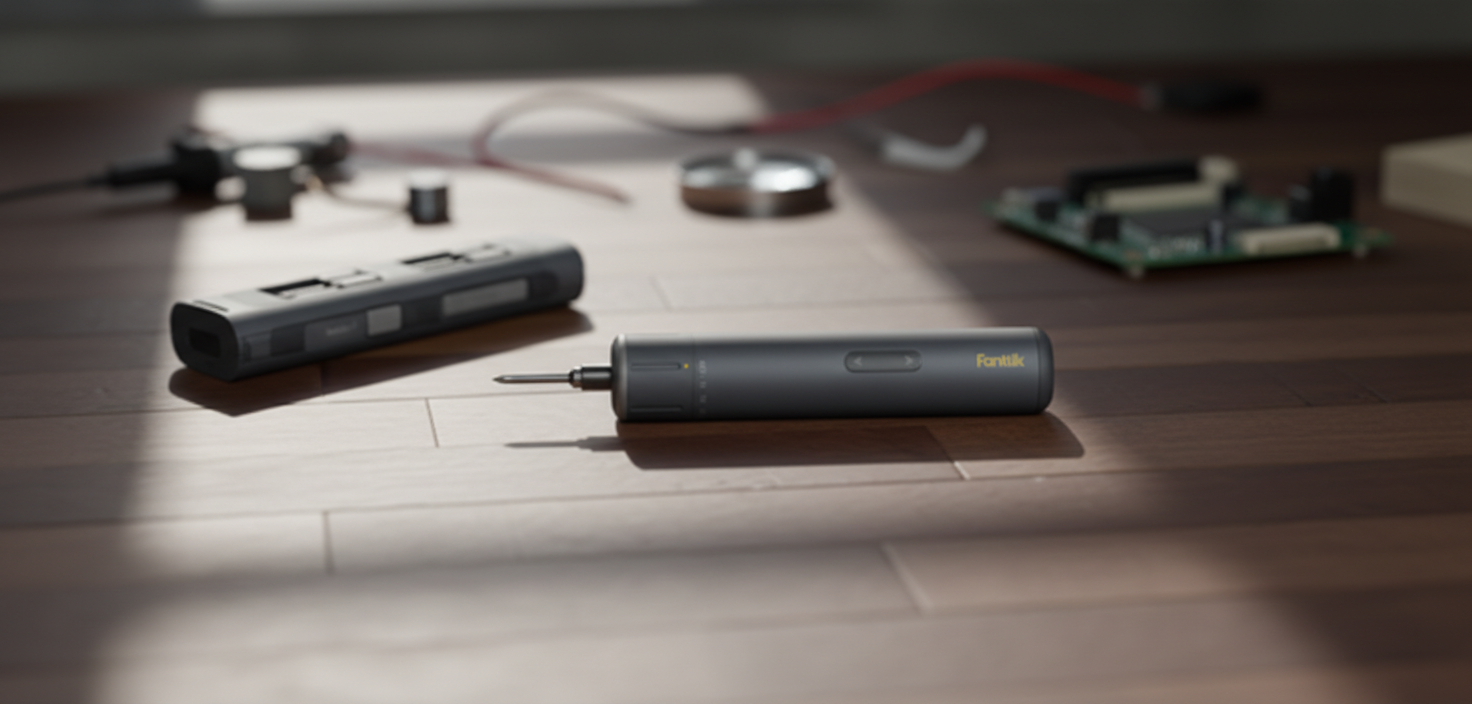
In simpler terms: using your non-dominant hand for precision tasks doesn't just make you "handy"—it actually builds new neural pathways. By using tools like the Fanttik S2 Pro Cordless Electric Screwdriver, which offers a neutral grip and symmetrical controls, makers can more easily practice bilateral tasks. This mitigates neural inhibition of the non-dominant limb and can reduce strength imbalances by over 20% over a period of 8-12 weeks (based on principles of contralateral training).
For the maker, this means increased versatility. Imagine being able to solder with your dominant hand while precisely positioning a component with a rotary tool in your other hand. Symmetry isn't just about making tools for everyone; it's about making everyone better with their tools.
Engineering Trust and Compliance
In a world where cordless tools are becoming the standard, the engineering behind them must be transparent and robust. As we noted in our recent whitepaper, The 2026 Modern Essential Gear Industry Report, trust is a function of "credibility math." This means ensuring that every ergonomic claim is backed by visible compliance and rigorous testing.
For example, the EU General Product Safety Regulation (EU) 2023/988 emphasizes that products must be safe for all intended users. Symmetrical design is a key component of this safety mandate. A tool that is difficult for a left-handed person to grip securely is, fundamentally, a less safe tool.
Furthermore, we align our torque specifications with international standards like ISO 898-1, ensuring that when we say a tool is safe for delicate electronics, that claim is grounded in mechanical reality. For those working on high-consequence projects, this level of technical transparency is non-negotiable.

The Future of Inclusive Design
As we look toward the future of tool development, the "one-size-fits-all" approach is being replaced by "one-design-fits-both." We are moving beyond the era of specialized "lefty" tools, which are often more expensive and harder to find. Instead, the focus is on universal accessibility.
This shift is driven by a few key factors:
- Reduction of Musculoskeletal Strain: Symmetrical tools allow for more natural wrist positions, reducing the risk of long-term issues like carpal tunnel syndrome.
- Increased Productivity: As seen in our case study, the efficiency gains from using tools designed for your habits—rather than forcing your habits to fit the tool—are substantial.
- Aesthetic Integration: Symmetrical silhouettes often result in cleaner, more modern industrial designs that appeal to the design-conscious maker.
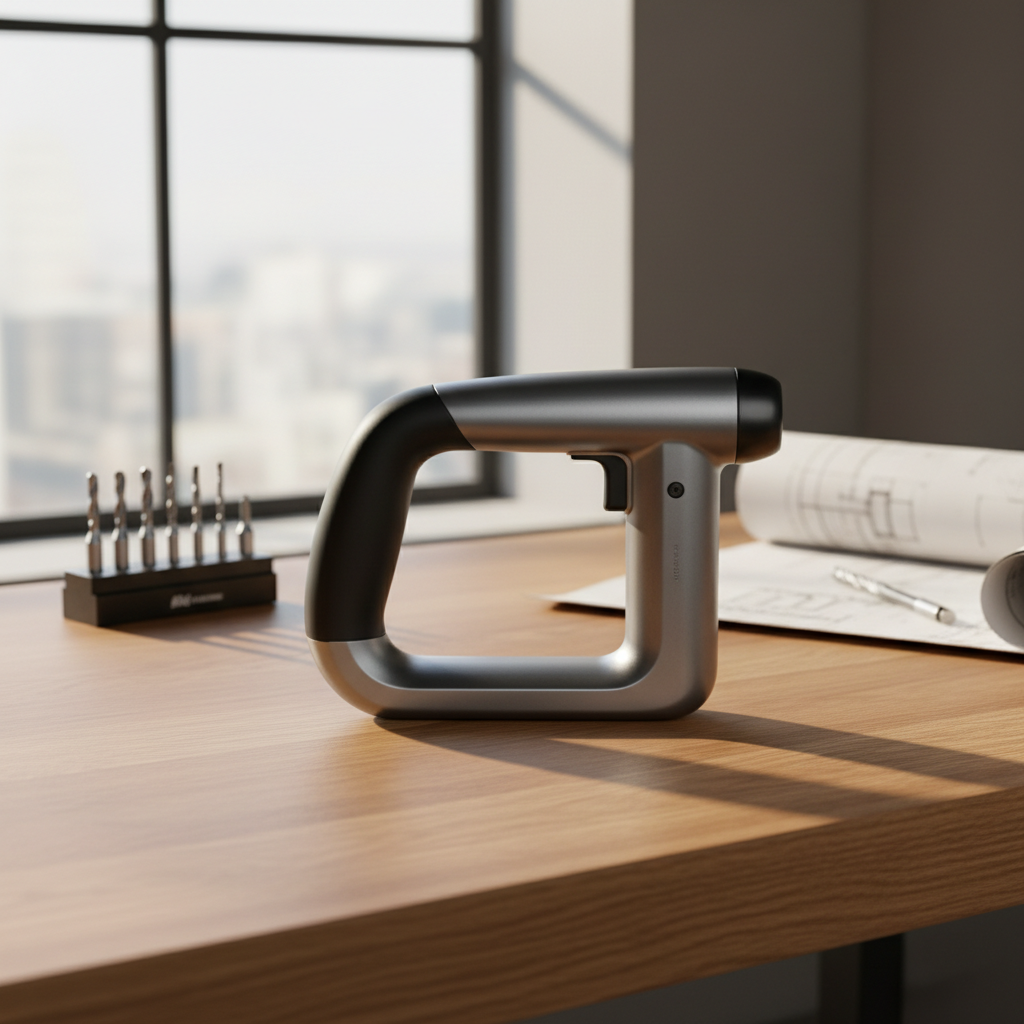
The Fanttik L2 Pro Cordless Electric Screwdriver is a prime example of this evolution. Its sleek, balanced body doesn't just look good on a workbench; it feels identical in either hand, ensuring that your focus remains on the project, not the tool.
Summary of Symmetrical Advantages
To help you evaluate your next tool purchase, we’ve summarized the core benefits of choosing symmetrical, ambidextrous designs:
| Benefit | Impact | Why it Matters |
|---|---|---|
| Neutral Geometry | Reduced Wrist Deviation | Prevents long-term strain and "hotspot" pressure. |
| Centralized Mass | Zero Parasitic Torque | Prevents the tool from "twisting" out of your grip. |
| Universal UI | Lower Cognitive Load | Buttons are always where you expect them to be. |
| Bilateral Training | Neural Plasticity | Improves coordination and skill in the non-dominant hand. |
| Inclusive Safety | Secure Handling | Reduces the risk of slips or errors for 100% of habits. |
Final Thoughts for the Modern Maker
Symmetry is more than an aesthetic choice; it is a commitment to the user experience. By choosing tools that respect the biomechanics of both hands, you are investing in your own comfort, safety, and creative potential. Whether you are building a custom PC, engraving jewelry, or performing automotive maintenance, the tools you use should never be a barrier to your success.
We encourage you to look deeper into the tools you own. Perform your own "hand-swap test." If you find yourself struggling with a right-biased design, it might be time to experience the balance that only true symmetry can provide. Evaluating ergonomic balance in precision tools is the first step toward a more efficient and enjoyable making experience.
Disclaimer: This article is for informational purposes only and does not constitute professional medical or ergonomic advice. If you are experiencing persistent hand or wrist pain, please consult a qualified healthcare professional or occupational therapist. Always follow the specific safety instructions provided in your tool's manual.
References
- EU General Product Safety Regulation (EU) 2023/988
- ISO 898-1: Mechanical properties of fasteners
- Bilateral and Unilateral Arm Training - Sage Journals
- Ergonomics for Lefties - Alibaba Product Insights
- NIOSH: Musculoskeletal Disorders and Workplace Factors
- The 2026 Modern Essential Gear Industry Report - Fanttik Whitepaper

Leave a comment
This site is protected by hCaptcha and the hCaptcha Privacy Policy and Terms of Service apply.