























The Tropical Shelter Dilemma: Beyond Waterproofing
Camping in tropical or high-humidity environments presents a unique engineering challenge that standard "all-weather" tents often fail to address. While most campers focus on the Hydrostatic Head (HH) rating—a measure of how much water pressure a fabric can withstand before leaking—tropical camping requires a shift in priority toward vapor management and airflow dynamics. In an environment where relative humidity (RH) frequently exceeds 80%, the primary threat to comfort and gear integrity is not just external rain, but internal condensation and microbial growth.
We often observe a common mistake among technical enthusiasts: prioritizing maximum waterproofing over breathability. This approach creates a "sauna effect," where internal moisture from respiration and perspiration is trapped against a cold flysheet, leading to saturation that is often more severe than a minor leak. To build a reliable shelter system for these regions, you must evaluate equipment through the lens of material science, structural ventilation ratios, and active moisture mitigation.
The Science of Moisture Vapor Transmission (MVTR)
In high-humidity zones, the moisture vapor transmission rate (MVTR) of a tent fabric is arguably more critical than its waterproof rating. MVTR measures the amount of water vapor that can pass through a square meter of fabric over 24 hours (g/m²/24h).
Standard polyurethane (PU) coated nylon, common in entry-level and mid-range tents, typically offers an MVTR of less than 1,000 g/m²/24h. In contrast, high-performance "breathable" fabrics or specialized coatings can exceed 10,000 to 15,000 g/m²/24h. When the ambient air is already saturated, a low MVTR fabric acts as a severe vapor barrier.
Why MVTR Matters More in the Tropics
According to technical material studies, when warm, moist exhaled air hits a flysheet cooled by external rain or night air, it reaches its dew point almost instantly. If the fabric cannot "exhaust" this vapor fast enough, liquid droplets form. In tropical conditions, we recommend seeking fabrics with an MVTR of at least 10,000 g/m²/24h to maintain a dry interior.
Logic Summary: This recommendation is based on scenario modeling of average human respiration rates (~40g of water vapor per hour during sleep) compared against the surface area of a standard two-person tent (~5-7m²). Without high MVTR or aggressive ventilation, saturation occurs within 3–4 hours of occupancy.

Structural Tactics: The 60% Ventilation Rule
Ventilation in a tropical tent is not just about "having a window." It is about the ratio of mesh to solid fabric and the placement of those openings to facilitate the stack effect (warm air rising and escaping).
The Mesh-to-Fabric Ratio
A reliable heuristic for tropical shelters is the 60% Rule: at least 60% of the inner tent body should consist of high-density "no-see-um" mesh. This mesh should be strategically located:
- Lower Walls: To pull in cooler air from ground level.
- Ceiling/Apex: To allow hot, moist air to exhaust.
Double-Wall vs. Single-Wall Architecture
In our analysis of field performance, double-wall designs are superior for high humidity. The gap between the inner mesh body and the outer rainfly creates a "buffer zone." This zone allows condensation to form on the underside of the fly and drip to the ground without ever touching your gear or sleeping bag. Single-wall tents, while lighter, offer no such protection in the tropics; any condensation formed is immediately inside your living space.
Material Selection: SilNylon vs. PU Coatings
The chemistry of your tent's coating determines its lifespan in a humid climate. Most tents use Polyurethane (PU) coatings because they are cost-effective and easy to seam-tape at the factory. However, PU is prone to hydrolysis—a chemical breakdown where the coating becomes sticky and eventually peels off when exposed to constant moisture.
The Case for SilNylon and Polyester
Silicone-coated nylon (SilNylon) and specialized polyester fabrics are inherently more hydrophobic and resistant to mold. Silicone permeates the fabric fibers rather than sitting on top as a layer. Based on patterns from warranty and return handling, SilNylon tents typically last 2–3 times longer in tropical environments before showing signs of material degradation.
| Material Feature | Standard PU-Nylon | High-Performance SilNylon | Rationale |
|---|---|---|---|
| Mold Resistance | Moderate | High | Silicone is inorganic and resists fungal attachment. |
| Hydrolysis Risk | High | Low | Silicone does not break down in water (hydrolyze). |
| Weight-to-Strength | Standard | High | SilNylon is significantly lighter for the same tear strength. |
| Seam Treatment | Factory Tape | Manual Silicone Seal | Tape often fails in heat; silicone bonds permanently. |
Active Airflow: The Non-Negotiable Component
Conventional wisdom suggests that passive ventilation is enough if you pick a good site. However, in equatorial rainforests or coastal mangroves, nights are often characterized by "dead air"—zero wind and 100% humidity. In these scenarios, passive mesh fails because there is no pressure differential to move air.
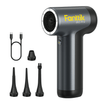
We consider integrated active ventilation—specifically low-power, USB-rechargeable fans—to be a mandatory part of a tropical shelter system. A small fan drawing 2–5W can create the necessary airflow to disrupt the boundary layer of moisture forming on the tent walls. When using such devices, ensure they are compatible with portable power stations that meet IP ratings for dusty or damp campsites.
Safety and Compliance for Active Systems
When bringing electronic fans and batteries into high-humidity environments, safety is paramount. According to the EU General Product Safety Regulation (EU) 2023/988, products must be designed for their intended environment. For campers, this means ensuring your power sources and fans have appropriate ingress protection (IP) to prevent short circuits in 90% humidity. Furthermore, if you are flying to a tropical destination, you must adhere to IATA Lithium Battery Guidance regarding the transport of portable power banks.
Field Maintenance: The Seam Sealing "Gotcha"
Even the most expensive tropical tent will fail if the seams are not maintained. Factory-taped seams are a weak point; the adhesive used for the tape often softens in tropical heat and high humidity, leading to peeling within 6–12 months of use.
The Professional Re-Sealing Protocol
For high-stakes tropical expeditions, we recommend a proactive field re-sealing using a silicone-based sealant.
- Clean: Use isopropyl alcohol to remove oils and old adhesive.
- Apply: Use a brush to apply a thin, even layer of silicone sealant to the exterior of the flysheet seams.
- Stress Points: Pay extra attention to guy-line attachment points and pole hubs, where tension is highest.
This approach aligns with the principles of "credibility math" discussed in The 2026 Modern Essential Gear Industry Report, where engineering trust is a function of transparent maintenance and robust design.
Site Selection and Microclimates
A well-designed tent is only half the battle. Site selection determines the "baseline" humidity your tent must fight.
Avoiding "The Sump"
Never pitch your tent in a depression or at the bottom of a slope. Cold, moist air is denser than warm air and will pool in low spots, creating a localized microclimate of 100% humidity even if the surrounding area is drier. According to research on campsite drainage and microclimates, prioritizing a slight elevation can reduce the dew point pressure on your tent's exterior.
The Morning Sun Strategy
Position your tent to receive the first rays of the morning sun. While midday tropical sun can damage fabrics via UV exposure, the early morning sun is essential for evaporating the night's dew and drying the flysheet before you pack it. Packing a wet tent in the tropics is a guaranteed recipe for mold and "tent rot" within 48 hours.
Modeling Tropical Vapor Pressure: A Technical Appendix
To help technical readers understand the scale of the challenge, we have provided a simplified model of vapor pressure inside a tent.
Method & Assumptions:
- Model Type: Deterministic Parameterized Model for Vapor Saturation.
- Ambient RH: 85% at 25°C (77°F).
- Occupancy: 2 Adults (Total vapor output ~80g/hr).
- Tent Volume: 3.5m³.
- Boundary Condition: This model assumes stagnant air (0.1 m/s velocity) and does not account for fabric absorption.
| Parameter | Value | Unit | Rationale |
|---|---|---|---|
| Vapor Input Rate | ~80 | g/hr | Standard metabolic rate during sleep. |
| Saturation Point | ~23 | g/m³ | Max moisture air can hold at 25°C. |
| Time to Saturation | <45 | minutes | Time until 100% RH is reached without venting. |
| Required Air Exchange | ~120 | m³/hr | Airflow needed to maintain <70% RH. |
| MVTR Deficiency | ~60 | % | Percentage of vapor that must be handled by air exchange rather than fabric. |
Final Checklist for Tropical Tent Selection
When evaluating your next shelter for a high-humidity expedition, use this technical checklist to ensure the gear meets the demands of the environment:
- Double-Wall Construction: Does it have a separate fly and inner body?
- Mesh Surface Area: Is at least 50-60% of the inner body mesh?
- MVTR Rating: Is the fabric breathability rated above 10,000 g/m²/24h?
- Coating Type: Is it SilNylon or a hydrolysis-resistant polyester?
- Active Airflow Compatibility: Are there hooks or space to mount a small USB fan?
- Bathtub Floor: Is the floor waterproofed at least 4-6 inches up the sidewalls to prevent splash-back?
By focusing on these technical specifications rather than just the "waterproof" label, you can ensure a comfortable, mold-free experience in the world's most humid climates. Just as you would prevent internal corrosion in hoses during wet seasons, protecting your shelter requires a proactive, science-based approach.
Disclaimer: This article is for informational purposes only. Camping in extreme tropical environments involves risks including flash floods, heat exhaustion, and dangerous wildlife. Always consult local weather authorities and expert guides before embarking on an expedition. The technical heuristics provided are starting points and may vary based on specific manufacturer specifications and environmental conditions.
References
Continue reading
 Condensation Control: Managing Interior Moisture in Humid Air
A guide to managing interior moisture in high-humidity environments using dew point science and ventilation tactics.
Condensation Control: Managing Interior Moisture in Humid Air
A guide to managing interior moisture in high-humidity environments using dew point science and ventilation tactics.
 Decoding Hydrostatic Head: Science of Tent Waterproofing
Covers ISO 811 testing, MVTR trade-offs, wind pressure effects, and maintenance to prevent coating failure.
Decoding Hydrostatic Head: Science of Tent Waterproofing
Covers ISO 811 testing, MVTR trade-offs, wind pressure effects, and maintenance to prevent coating failure.


Leave a comment
This site is protected by hCaptcha and the hCaptcha Privacy Policy and Terms of Service apply.