












































Yes, in many cases. For interlocking concrete pavers with sand-filled joints, a pressure washer can clean the surface if you use a wide spray pointed at a low angle. That lowers the chance of blasting sand out of the joints. It does not promise that every grain stays put.

Before you wash the whole patio, try the setup on a small area. If you see joint sand move, stop using that setup. For a small area, you can switch to a hand-scrub method instead.
Can You Pressure Wash Pavers Without Losing Joint Sand?
You can, as long as the pavers are interlocking concrete and the joints are filled with sand. This is the case the concrete paver industry's cleaning guidance covers. Other materials and joint products need their own care instructions.
The key detail is how the water hits the surface. ICPI Tech Spec 5 says a nozzle that makes a wide spray helps keep sand from washing out of the joints. It also says aiming a wide spray at a low angle further cuts the risk of dislodging joint sand when using outdoor garden tools such as a pressure washer. The Concrete Masonry & Hardscapes Association (CMHA) now publishes the same guidance as Tech Note PAV-TEC-005, which covers cleaning interlocking concrete pavement.
Why does angle matter so much? A tight, straight-down stream puts all its force into one small spot. Over a joint, that force can dig into the sand. A wide fan spreads the same water over a bigger area. A low angle makes the water skim across the paver face instead of drilling into the gaps. Similar gentle rinse passes protect delicate exterior surfaces during other outdoor cleaning jobs. CMHA's seasonal care advice points in the same direction: it suggests a low setting and wide spray for patio paver cleaning. It also warns that focused pressure can knock sand loose or damage the paver surface.
That guidance is qualitative. It gives you a spray pattern and an angle, not a PSI number, a nozzle distance, or a time limit. So the small-area test below is how you confirm that your setup works on your patio.
Two cases fall outside this method. The first is joints filled with polymeric sand or another bonded joint product. The second is clay brick or natural stone pavers. The concrete-paver guidance does not cover either one, so follow the instructions for that material.
How to Test a Small Area Before Washing the Rest
Start with one small patch and watch the joints, not just the dirt. If sand moves during the test, that setup is done for this patio. Here is a simple sequence:
- Pick a low-visibility patch. Choose a corner, an edge along a wall, or a spot under furniture. That way any sand loss is easy to live with.
- Set up the documented spray. Use a wide spray pattern. Hold the wand so the water hits the pavers at a low angle and sweeps across the surface. Do not point it straight down into the joint lines.
- Watch the joint lines as you work. Look for sand grains running out with the water, sand collecting at the edge of the patch, or joints that start to look hollow.
- Stop at the first sign of movement. If sand shifts or washes out, turn the washer off. Do not keep going with the same setup across the patio. Move to the hand-cleaning method in the next section.
- Compare the patch with an untouched area. When you finish, check whether the washed joints still sit at the same level as the joints next to them.
- Keep watching as you expand. If the patch passed, clean the rest in sections and keep checking the joints. One clean patch only tells you about that patch. Joints in other parts of the patio may not be in the same condition.

This is a practical trial, not a formal industry protocol. CMHA's guidance does recommend testing in a small spot, but that advice is about cleaners. It says to try a cleaner on a small, out-of-sight stained area to see how well it removes the stain. That test tells you nothing about joint sand. The pressure-washer patch above is a separate check, and sand movement is its only pass/fail signal.
What to Use Instead If the Test Moves Sand
If the test washed sand out of the joints, switch to a gentler method that uses no spray force at all. For small areas of interlocking concrete pavement, ICPI Tech Spec 5 describes hand-scrubbing and a garden-hose rinse as a way to remove dirt and efflorescence (the chalky white film that can form on concrete).
- Apply cleaner by hand. Work it onto the dirty pavers instead of spraying it in with the pressure washer. If you are using a new cleaner, try it first on a small stained area to see how well it works.
- Scrub the pavers. Use a brush to loosen dirt and film from the paver faces.
- Rinse thoroughly with a garden hose. Flush away the loosened dirt and all cleaner residue. A garden hose delivers much less force than a pressure washer, so the rinse is less likely to disturb the joints.
This method takes more effort than pressure washing. That is why the guidance frames it for small areas. It works well for a small patio, a front walk, or the section where your test failed. For a large driveway, you might hand-clean the trouble spots and use the tested spray setup only where the joints held up.
The same boundary applies here as with spraying. This method is documented for interlocking concrete pavers. For polymeric joints, clay, or stone, use cleaning directions written for that material.
FAQs
Does this method apply to polymeric sand or stone pavers?
The wide-spray, low-angle guidance was written for interlocking concrete pavement with ordinary joint sand. Polymeric sand is different. It is fine sand mixed with polymer additives that bind together once water or moisture activates them. Because it behaves differently, follow the joint product maker's care directions. For clay brick or natural stone, use the paver maker's cleaning instructions.
Will a wide spray guarantee that no sand washes out?
No. A wide spray aimed at a low angle lowers the risk of pulling sand from the joints, but it cannot promise a result. Joint condition, how firmly the sand is packed, and how you move the wand all affect what happens. That is why sand movement, not the spray pattern alone, decides whether you keep going.
What PSI or nozzle distance should I use on pavers?
The paver industry guidance does not give a universal PSI or distance. It describes a wide spray, a low angle, and, in CMHA's seasonal advice, a low setting. A number taken from another surface or another machine is not a paver standard. Start with the gentlest wide pattern your washer offers and let the small-area test tell you whether it works.
How can I tell if my joints were already low before washing?
Check the joints before you start so you don't blame the washer for old sand loss. For interlocking concrete pavers, CMHA describes joint sand below the paver chamfer as joint-sand loss. The chamfer is the small beveled edge along the top of many pavers. If the paver has no chamfer, sand sitting well below the paver top counts as loss. Noting this first makes your after-test comparison more reliable.
Continue reading
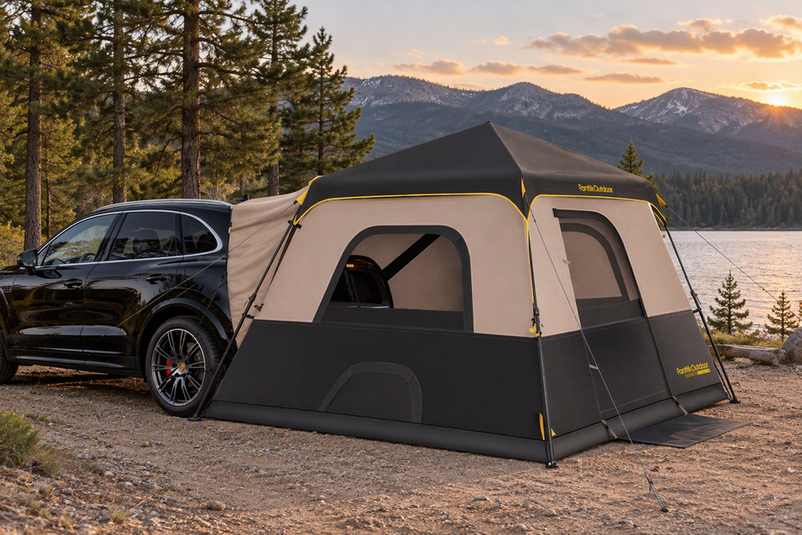 SUV Tent or Cabin Tent: Which Fits Your Camping Trip?
Choose between a vehicle-connected SUV tent and a standalone cabin tent by checking whether your car stays put,...
SUV Tent or Cabin Tent: Which Fits Your Camping Trip?
Choose between a vehicle-connected SUV tent and a standalone cabin tent by checking whether your car stays put,...
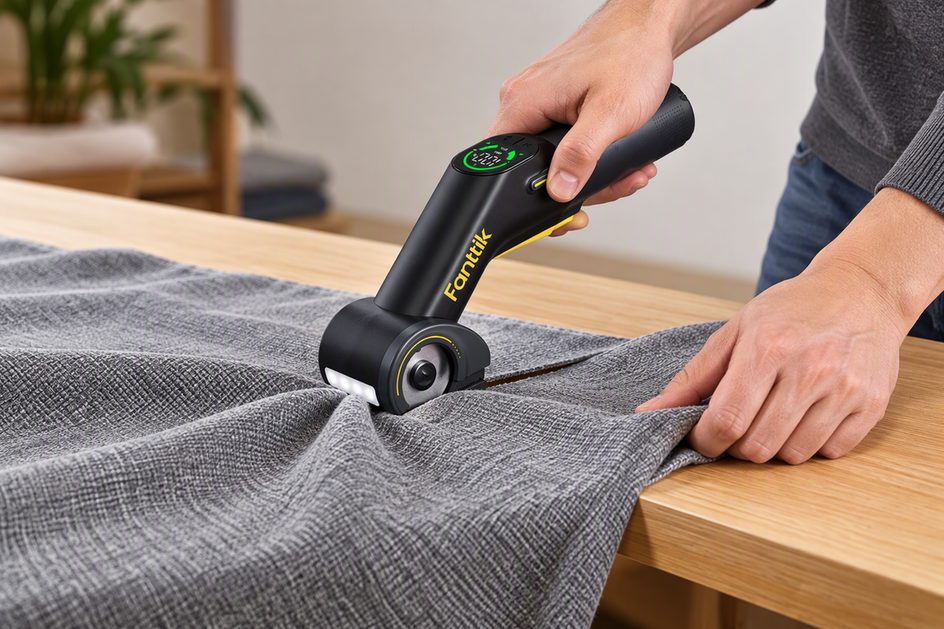 Why Do Electric Scissors Bunch or Pull Fabric?
A practical troubleshooting path for fabric that gathers or pulls under powered scissors: prep the fabric, test one...
Why Do Electric Scissors Bunch or Pull Fabric?
A practical troubleshooting path for fabric that gathers or pulls under powered scissors: prep the fabric, test one...
Leave a comment
This site is protected by hCaptcha and the hCaptcha Privacy Policy and Terms of Service apply.