









































Choose an SUV tent when your trip depends on a shelter joined to your vehicle. Choose a separate cabin tent when you want a campsite shelter that stands on its own spot. Neither one wins every trip.
Three questions settle it. Will the vehicle stay parked all trip? Does your assigned site allow a vehicle-connected setup? Is the exact SUV tent you're looking at documented to fit your vehicle? Answer them before you buy a tent or book a site.
Which Tent Setup Matches Your Trip?
The split comes down to where you want the shelter to live: attached to the car, or on its own ground. AutoZone's car camping tent guide describes SUV/hatchback tents as attaching to an open tailgate or hatch, which extends the vehicle's interior outward. The same guide describes a freestanding dome tent as one that sets up on flat ground.
Use that difference to pick your path:

- SUV tent path: The vehicle will stay parked beside you the whole trip. You want to reach the cargo area from inside the shelter, such as with a dedicated SUV tent. Your site's rules allow a vehicle-mounted tent where you plan to park.
- Separate cabin tent path: The vehicle may leave for day trips or supply runs. The site wants tents on a pad apart from the parking spot. You'd rather pitch a freestanding cabin tent where the ground works best than wherever the car ends up.

In this SUV tent comparison, "connected to the vehicle" is a trip need, not a feature list across outdoor camping gear. Two cabin tents can differ in layout and capacity. Two SUV tents can also behave very differently once you unhook them from the car. So judge the exact model, not the category name. The next two sections cover the questions that most often change the choice.
What If Your Vehicle Might Leave?
If the car might drive off after setup, keep an SUV tent on your list only when its own documentation shows how it works without the vehicle. Here's an example. Say you pitch camp Friday night and plan to drive to a trailhead Saturday morning while someone stays behind. Before buying, open that model's manual or setup instructions. Look for steps that describe the tent after you disconnect it from the hatch. What holds it up? How do you close the opening that was sealed around the vehicle? Is it meant to be used that way at all? If the instructions walk you through a detached setup that matches your plan, the SUV tent can still work. If the instructions skip that situation, don't assume the tent stays usable once the car leaves. Either plan for the vehicle to stay put, or bring a separate cabin tent that doesn't depend on where the car is.
Can the Campsite Accommodate the Tent and Vehicle?
Your assigned site's listing can rule out a setup before you ever unpack. For example, the Pine Springs Site 1 tent rules on Recreation.gov prohibit vehicle-mounted tents in the tent area and require tents to go on a designated tent pad. That rule covers that one site, not every campground. Still, it shows why you should read your own listing before committing to an SUV tent.
Other listings help you size the space. At Site A 29 in South Campground in Utah, the Recreation.gov page separates parking and tent space. It says each site holds up to two passenger vehicles. The listing's separate parking-pad and tent-pad details define "site length/width" as the parking pad for automobiles. "Tent pad length/width" is the area for a tent or other non-vehicular camping gear. Field names differ between campgrounds, so read the listing for your exact site.
Run this check for your assigned site:
- Read the rules section. Look for any mention of vehicle-mounted tents, tent-pad requirements, or limits on what goes in the tent area. If a vehicle-connected tent isn't allowed where you'll park, go with a separate tent.
- Compare dimensions. Match your vehicle to the parking-pad size and your tent's floor size to the tent-pad size. If you're sizing a separate tent, our 8-person vs 10-person tent comparison shows how floor space changes between two sizes.
- Walk the site when you arrive. Pace the boundaries and note where the parking spot, fire ring, and table sit in relation to flat ground. Then check campsite drainage before you stake anything down, so the tent doesn't end up in a low spot.
How to Check an SUV Tent's Vehicle Fit
Buy an SUV tent only when the manufacturer's documentation covers both your exact vehicle and the way you plan to attach the tent. Work through this go/no-go check:
- Find the model's fit documentation. Get the compatibility list, fit chart, or setup instructions for the exact tent model from its manufacturer. A product category page doesn't count.
- Match your vehicle. Compare your make, model, and body style to what the documentation lists. A near match, like a sibling model or a different body style, doesn't confirm fit.
- Match the connection. Check that the attachment method shown in the instructions matches your rear opening and how you plan to hook the tent to it.
- Make the call. If both your vehicle and the connection are covered, keep the tent on your list. If either one is missing, treat fit as unconfirmed and look at another model or a separate cabin tent.
Broad wording like "fits most SUVs" doesn't pass step 2. It tells you the maker is aiming at a group of vehicles, not that your vehicle is one of them.
FAQs
Can I set up an SUV tent at a site marked for tents only?
Only if that site's rules allow a vehicle-mounted tent in the area you'll use. Some sites ban them in the tent area and require every tent to go on a designated pad. If your listing doesn't say either way, call the campground or reservation office before your trip rather than finding out at check-in.
Do SUV tents work with hatchbacks?
AutoZone's guide groups SUV and hatchback tents together as tents that attach at an open tailgate or hatch. Whether one works with your hatchback still depends on that model's fit documentation. Run the same vehicle and connection check you'd use for an SUV.
Does a separate cabin tent have to fit on the tent pad?
When the listing requires tents on a designated pad, yes. The tent's floor has to fit inside the pad dimensions the listing gives. Compare the floor size on the tent's spec sheet with the pad size before you pack, especially for larger family tents.
Is an SUV tent vs cabin tent choice permanent for every trip?
No. The right pick can change from trip to trip. The same camper might want a vehicle-connected shelter at a site that allows it, then need a separate tent at a site that restricts vehicle-mounted tents or on a trip where the car leaves each day. Match the exact tent's documentation to each assigned site's rules and usable footprint before you go.
Continue reading
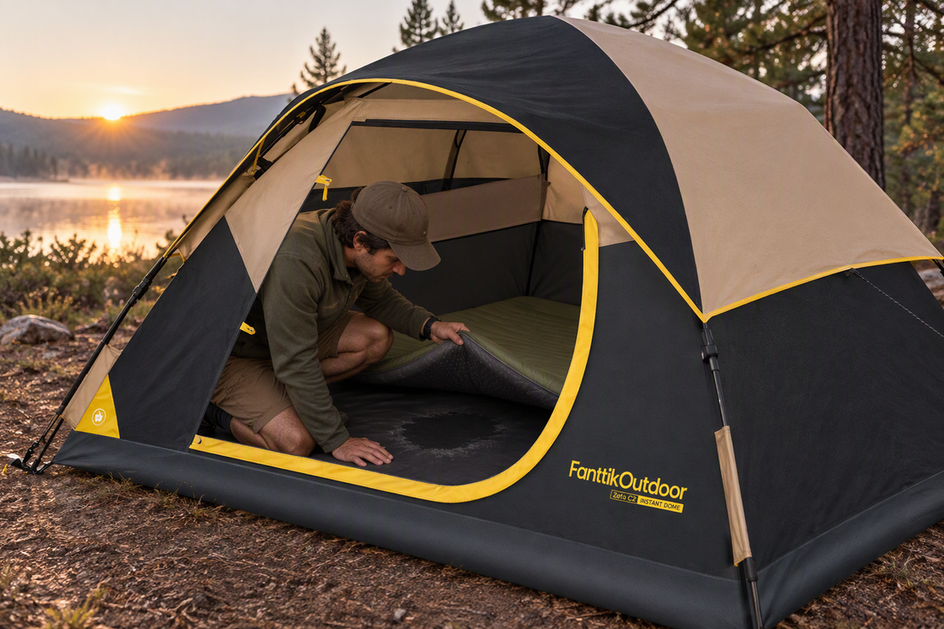 Tent Floor Damp in the Morning: Condensation or a Leak?
A damp tent floor after one night is an open question. This guide explains wet patterns, weather, ground...
Tent Floor Damp in the Morning: Condensation or a Leak?
A damp tent floor after one night is an open question. This guide explains wet patterns, weather, ground...
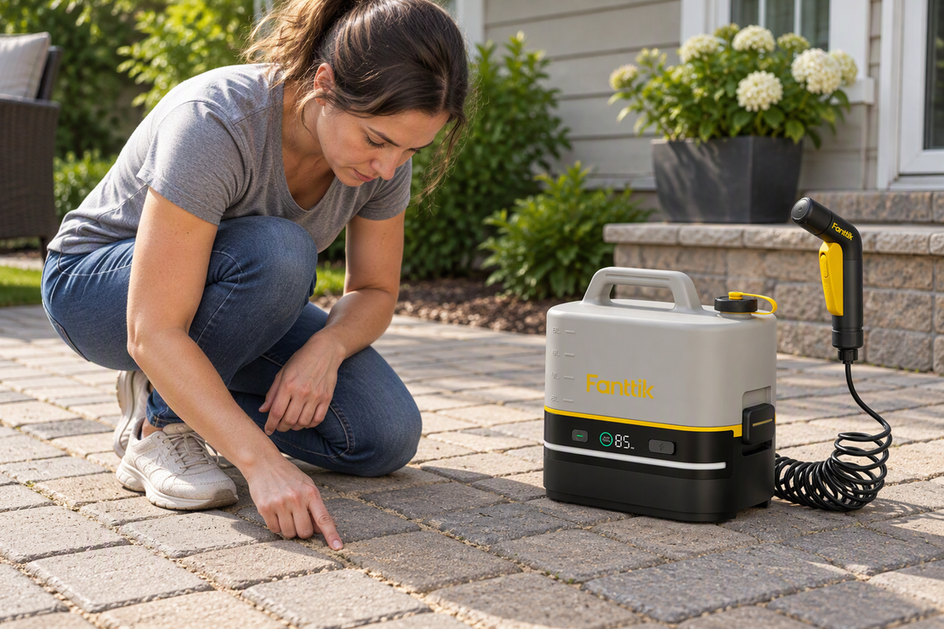 Can a Pressure Washer Clean Pavers Without Removing Joint Sand?
A wide spray at a low angle reduces joint-sand loss on interlocking concrete pavers. See how to test...
Can a Pressure Washer Clean Pavers Without Removing Joint Sand?
A wide spray at a low angle reduces joint-sand loss on interlocking concrete pavers. See how to test...
Leave a comment
This site is protected by hCaptcha and the hCaptcha Privacy Policy and Terms of Service apply.