








































Choose a cabin tent in two steps. First, keep only the models whose floor plan fits your group's real sleeping and gear setup. Second, cut any whose listed footprint won't fit inside your assigned campsite under its rules.

Once a few tents pass both tests, the tie-breakers are setup and packed size, based on how often you'll pitch the tent and how you'll haul it. Weather details matter only when the maker documents a specific feature that matches the conditions you expect. That order keeps cabin tent selection tied to your trip instead of the biggest number on the box.
How Should You Match Tent Capacity and Layout to Your Group?
Keep a tent only if its documented floor plan holds your planned sleepers plus the gear that has to stay inside. If that arrangement doesn't work on paper, compare a different layout or capacity, such as a 6-person cabin tent or an apex family tent with known floor measurements. Don't count on the person label to make it work.
Plan the Sleeping Arrangement First
The person rating is where you start, not the answer. Treeline Review's tent guide, an affiliate-supported gear review site, suggests checking how the interior dimensions work for the number of people actually sleeping in the tent versus its stated capacity. Its comparison table also lists floor space and vestibule space separately. A vestibule is the covered area outside the main door. Use the steps below to keep those two areas separate:
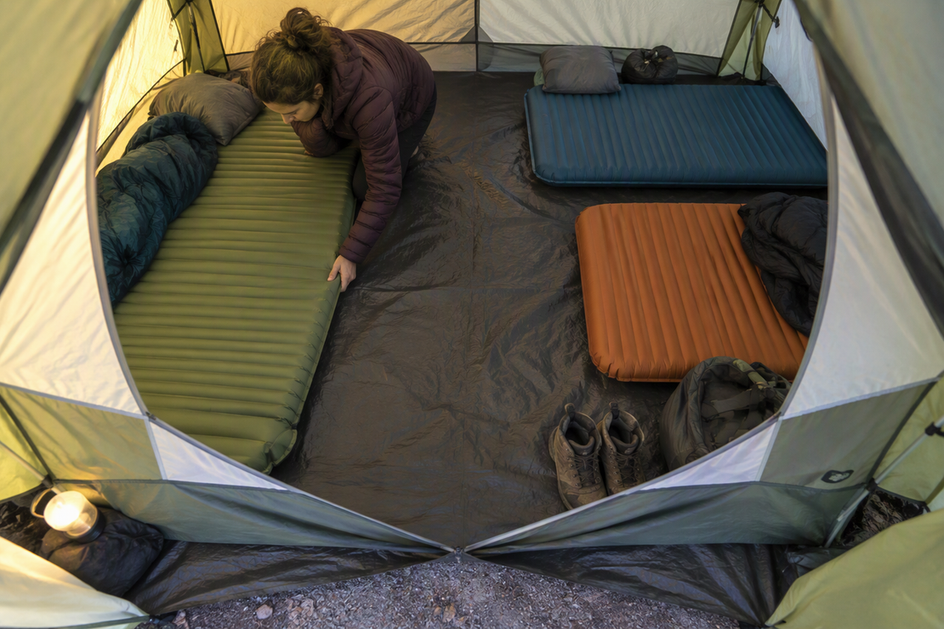
- Write down who sleeps where: each person and each pad, cot, or air mattress, with its size in feet or inches.
- Lay that arrangement over the tent's listed floor dimensions and floor plan. Count vestibule space separately, not as sleeping floor.
- If every sleeper fits inside the floor area as planned, the tent passes. If not, compare a different layout or capacity, such as an 8-person camping tent designed with more usable floor area.

Include Gear That Must Stay Inside
Next, list the gear that truly needs to stay inside overnight. That might be duffels, a kid's travel bed, or anything you won't leave in the car or under a vestibule. Then check whether it has a spot on the floor plan that doesn't push a sleeper off a pad or block a door. For example, a family of four might fit side by side in a tent, but only if the bags go somewhere other than the foot of the mattresses. In that case the layout fails, even though the person count looked fine. When browsing a cabin tent collection or comparing models, remember that a person-capacity number doesn't tell you how much gear space is left over. Only the floor dimensions and your own list can answer that.
Will the Tent Footprint Fit Your Campsite?
Keep the tent only if its documented footprint fits inside your assigned site's usable area under that campground's rules. If it doesn't fit, choose a tent with a smaller footprint or book a different site.
Check the Site Rules and Boundaries
Start with the campground, not the tent. The National Park Service campsite guidance recommends learning the campground's facilities and regulations before you go. Once you arrive, it suggests walking the boundaries of your campsite to find the best spots for your tent, cooking area, and eating area. Before you buy, pull up the reservation page or site listing for the exact site you booked. You're looking for tent limits, tent-pad size, and any placement rules. The site's name or a general description of the campground won't tell you whether your tent fits.
Compare the Listed Footprint With Usable Space
Some listings give hard numbers. Site C031 at Ohanapecosh Campground, for example, lists a 10 ft. × 12 ft. tent pad. It also warns that campers who exceed campsite limits may be turned away if a larger site isn't available. Those figures apply to that one site only, so run this check for your own:
- Find your assigned site's listed tent limits and pad or usable-area dimensions.
- Note the tent's documented footprint, meaning its outside dimensions on the ground, not its interior floor area.
- If you plan to pitch a separately documented awning or covered extension, add its dimensions too.
- If the footprint fits within the site's limits, keep the tent. If it doesn't, switch to a smaller footprint or another site.
What Setup and Packed-Size Tradeoffs Matter?
Setup and packed size are separate tie-breakers. Only compare them among tents that already passed the group and site checks.
Compare the Documented Setup Process
If you'll pitch and strike camp several times on one trip, the setup process deserves more weight. Read the maker's setup steps or manual for each finalist. Note how many stages there are, what parts you have to assemble, and how many people the instructions assume. A stated setup time is the maker's own claim, so treat it as a starting point. It doesn't promise an easy pitch at your site. For a single weekend at one campground, setup differences may not change your choice much. For a road trip with nightly stops, they may decide it.
Check Packed Dimensions Against Transport
Packed size is a different number from footprint. It tells you whether the tent fits in your trunk, your roof box, or a garage shelf, not whether it fits your campsite. Measure the space you actually have, then compare it with each finalist's listed packed dimensions. If a tent passed the earlier checks but its packed size won't fit your vehicle or storage, move on to the next finalist that also fits your group and site. Don't give up the layout that works for your sleepers just to save cargo space.
Which Weather Features Matter for Your Trip?
Weather features should shape your cabin tent selection only when the maker documents a specific detail that addresses a condition you expect. If that detail is missing, treat the tent's performance in that condition as unknown.
Use Only Details the Manufacturer Documents
Start with the conditions you expect, such as rain, wind, or warm nights. Then look for a specific, matching detail in the maker's specs or manual. If rain is the concern, a written statement about the rainfly or fabric coating tells you more than a label like "weather-ready." If warm nights worry you, the listed vents or mesh panels are the detail to compare. When the documentation says nothing about the condition that matters to you, don't let an unrelated feature fill the gap.
Keep Feature Claims Within Their Evidence
A maker's feature list tells you what the tent includes. It doesn't show how the tent performed in a storm. Compare finalists on the same documented details, and treat broad words like "waterproof" or "all-weather" as descriptions, not ratings. If a trip depends on the tent handling a specific condition, weigh how clearly each maker documents that feature and pick the one with the clearest match.
FAQs
Should I buy one person rating higher than my group size?
There's no universal rule for sizing up. Run the layout test instead. If your sleepers and must-keep gear fit on the listed floor plan at the current rating, you don't need a bigger tent. If they don't fit, compare the next size up, then confirm its larger footprint still fits your site.
What if my campsite listing doesn't give tent dimensions?
Contact the campground or reservation office and ask for the site's tent limits and pad size before you buy. Without those numbers, you can't confirm that a large footprint will fit. When you arrive, walk the boundaries to choose where the tent goes.
Can one person set up a cabin tent alone?
Only the maker's instructions for that model can tell you. Read the setup steps and see how many people they call for. If you often camp solo, rule out any finalist whose documented process needs two people.
Does vestibule space count as extra sleeping room?
No. Treat the vestibule as covered storage or entry space. It still counts toward what fits on your campsite, so include it when you compare the tent against the site's limits.
Continue reading
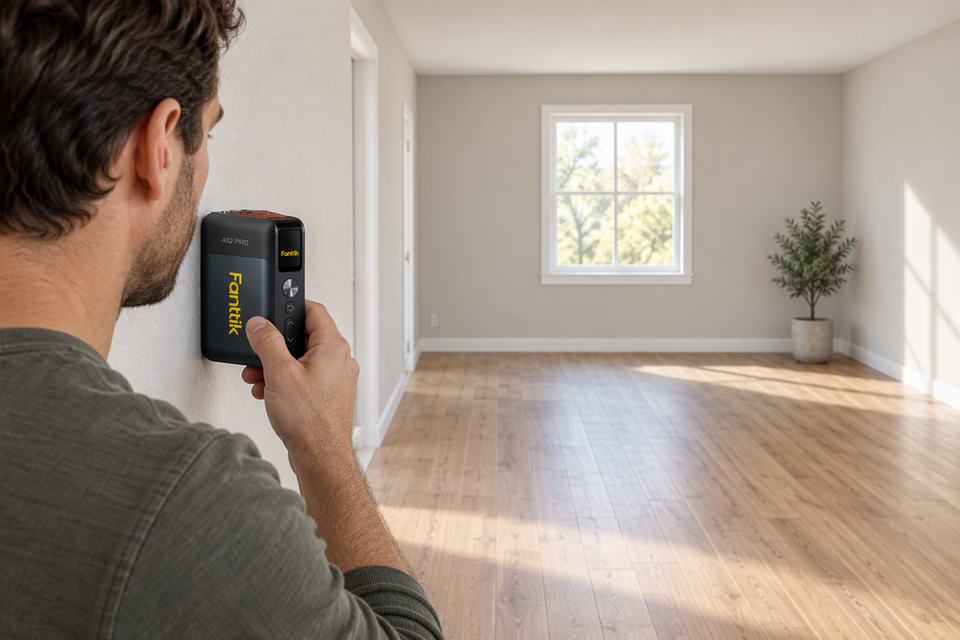 How to Measure a Room and Calculate Its Area With a Distance Meter
Take wall-to-wall readings with a laser distance meter, log them in one unit, then multiply for square feet...
How to Measure a Room and Calculate Its Area With a Distance Meter
Take wall-to-wall readings with a laser distance meter, log them in one unit, then multiply for square feet...
 How to Choose Electric Scissors for DIY Cutting
A practical screening method for DIY shoppers: record your project needs, confirm documented fit, and label any gaps...
How to Choose Electric Scissors for DIY Cutting
A practical screening method for DIY shoppers: record your project needs, confirm documented fit, and label any gaps...
Leave a comment
This site is protected by hCaptcha and the hCaptcha Privacy Policy and Terms of Service apply.