












































Yes, you can solder a broken headphone wire with a soldering iron. It only works if you can identify the conductors inside the cable and handle them well enough to make a controlled joint. If the strands unravel, tear, or won't take solder, stop. Replacing the cable or taking it to a repair shop usually makes more sense than adding more heat.
Do the check before you turn the iron on. Headphone cables are not all built the same way, so a headphone wire repair should start with what you can see at the break.
How to Judge a Headphone Cable Before Heating
Cut back to clean cable on both sides of the break. Then look at what is inside before you plan the joint:

- Can you identify each conductor? You need to tell the wires apart so each one goes back to its match. If you can't separate them, you can't make a controlled splice.
- Are the strands hair-fine or coated? Some conductors look like bare copper. Others have a thin colored coating, such as lacquer or enamel, on each strand. That coating changes how the wire has to be prepared.
- Is there a thread or fiber core? Some cables wrap their strands around a strength thread. That makes the strands much harder to keep together.
- Do the strands stay together when you handle them? If they hold their shape, you have a workable candidate. If they spread or unwind as soon as you touch them, the repair is already getting away from you.

That thread-core construction is a real design. One hands-on repair of an Android headset describes fine lacquer-coated headset strands wrapped around a string for strength. The author warns that if you fiddle with the wires, the strands come unwound from the string and are hard to get back together. If your break shows the same thing, the decision changes. Handle the wire as little as possible. If the strands have already spread, treat that as a sign the joint may not be controllable.
A coating alone doesn't tell you the preparation method. Litz-wire preparation guidance from a wire manufacturer separates solderable enamels from non-solderable ones. It also says the right solder temperature depends on the wire type, the overall size of the construction, and the size of each strand. That guide covers litz wire, not headphones specifically. Its lesson still carries over: two coated cables that look alike may need different preparation.
Once you've decided the cable is worth soldering, the iron and solder still matter. Our guides on pistol grip vs pencil irons and on leaded vs lead-free solder explain the tool and alloy choices for small electronics work.
When to Stop and Choose Another Repair
Stop if you cannot identify the conductors, keep them together, or prepare them without damage. Turning the heat up or holding the iron on longer will not fix a conductor you cannot control, and extra heat can make things worse.
One electronics-assembly case report describes fine-wire erosion after prolonged exposure to molten solder. That came from a factory soldering fine wires to a circuit board, not from a headphone test. The takeaway still applies: thin wire loses metal when it sits in solder too long, so every extra attempt can leave you less conductor to work with.
When you do heat the wire, unplug the headphones from your phone or audio device first. Coated wire also gives off fumes as the coating burns away, so give yourself ventilation when heating coated wire. A fan or fume extractor pulling air away from your face is a good setup.
If the conductors still won't cooperate after a careful try, choose another route. A replacement cable works well on headphones with a detachable cord. A repair shop is the better option when the cable is built in or the break is somewhere hard to reach.
FAQs
Can you use mechanical wire strippers on hair-fine headphone strands?
Not on the construction described in the Android headset repair. That account includes a mechanical stripping warning: mechanical strippers can't remove the lacquer from those fine strands without damaging them, and scraping leaves scratches where the strands can later break. If your strands are that fine and you can't clean them without nicking them, stop there.
Does every enamel-coated conductor need the same preparation?
No. In the manufacturer guide's enamel class breakdown, solderable enamels can be tinned directly, but non-solderable classes have to be stripped of their enamel first. Use that guide to understand why coatings differ, not as a step-by-step procedure for headphone cables.
What if the wire break is inside the headphone plug?
Then splicing the cable may not be possible. In one molded-plug repair example, the author explains that the plug's insulation was injection molded on and couldn't be removed and replaced. He cut the old plug off and wired on a replacement plug instead. If your break is right at or inside a molded plug, plan on a new plug or a professional repair.
Continue reading
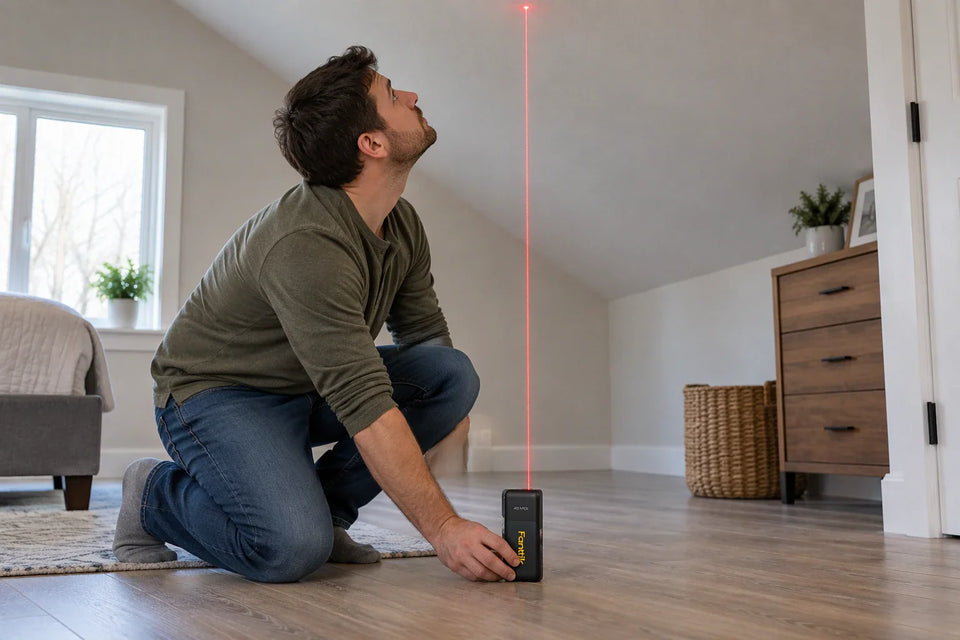 Measuring a Sloped Ceiling Height With a Laser Distance Meter
Pick labeled floor stations, aim the laser straight up from one consistent reference point, and log every ceiling...
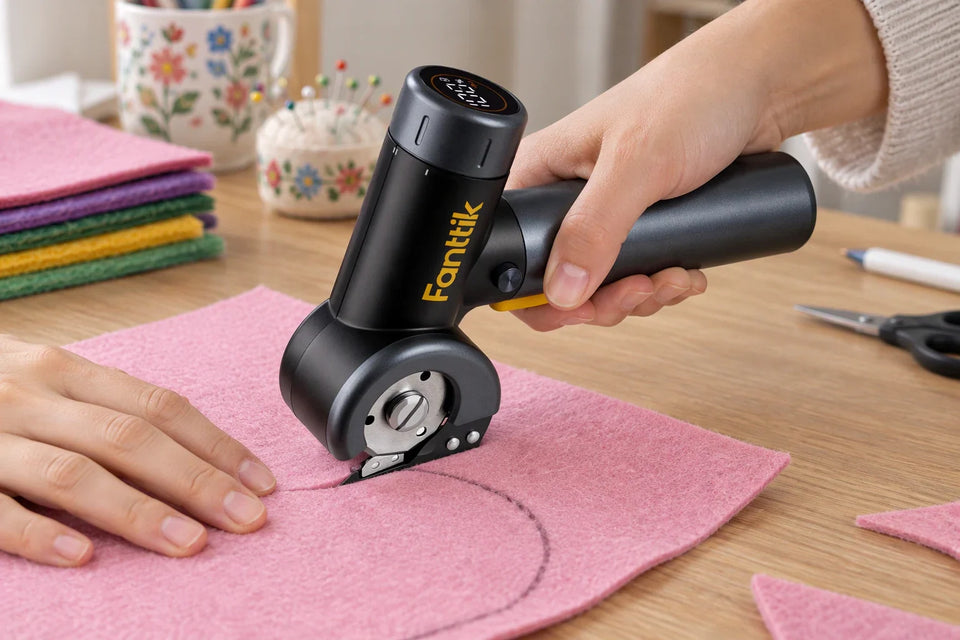 Cutting Felt for Appliqué With Electric Scissors: Keep Curves Controlled
How to decide if powered scissors suit your felt appliqué: compare rated capacity, test a scrap at real...
Leave a comment
This site is protected by hCaptcha and the hCaptcha Privacy Policy and Terms of Service apply.