











































To store a camping tent in a small apartment, start by getting it completely dry. Then keep it loosely packed in a cool, dry spot where nothing heavy presses on it.
A compact living space does not alter these fundamental rules. It simply changes practical logistics, determining where you safely air out the fabric and which closet shelf or under-bed zone you reserve.
Get the Tent Completely Dry Before Putting It Away
Scouting America's tent-care guidance says to air out your tent after you get back from a campout, then brush out any dirt or pine needles before you store it. In an apartment, you probably can't pitch a large tent in the living room. That's fine. You just need a way to let both sides of the fabric breathe until no damp spots are left.

- Unpack the tent the day you get home. Pull the body, rainfly, and footprint out of their bags. Don't leave them rolled up in the car or by the door.
- Shake out and brush off debris. Dirt and needles hold moisture against the fabric. Do this on a balcony or over a sheet you can shake out later.
- Pitch it only if you have room. If you have the floor space, set the tent up indoors. A shaded spot outside works too.
- Drape or hang it if you don't have room. REI's tent-storage advice says that when there isn't enough space to pitch the tent, you can drape or hang it until it's dry. Good spots include a shower rod, a drying rack, the backs of chairs, or a balcony railing out of direct sun. Hang the rainfly and the tent body separately so they dry faster. That way, air can reach both sides of each layer instead of getting trapped between them.
- Check seams, corners, and the floor before packing. These spots hold water the longest. If any area still feels cool or damp, leave the tent hanging longer.
Here's why this step matters most. According to the same REI guidance, a tent stored damp will grow mildew, which gives it a musty smell. The moisture can also damage polyurethane waterproof coatings, and that damage may not be fixable. Not every tent uses that coating, but no tent benefits from being packed away wet.
Choose a Cool, Dry Spot That Won't Crush It
The same Scouting America guide advises that you store it in a cool, dry place once it's aired out. In an apartment, that rules out several common areas right away. A closet next to a water heater, a cabinet under the sink, or anywhere near a radiator or heating vent can be too damp or too warm.
REI specifically identifies basements, attics, and car trunks as damp or hot environments to avoid. If your apartment building includes a basement storage locker or cage, check conditions firsthand before using it. You should avoid it if it feels humid, musty, or experiences seasonal temperature spikes, but it remains a viable option if it stays consistently cool, ventilated, and dry.
Often the best option is a clear shelf in a bedroom or hall closet. It works if the closet stays at normal room temperature, doesn't get condensation or musty smells, and the tent can sit on top of the pile instead of underneath it. That last point matters in a tight space. A tent stuck at the bottom of a stack of luggage or bins gets pressed flat for months. Put it on the top shelf, or on a shelf by itself.

Treat the closet shelf as an application of these conditions, not as a tested setup. If the shelf you have in mind is next to an exterior wall that sweats in winter, or it can only hold the tent under heavy items, pick a different spot. Other options include the floor of a coat closet, a dry space under a bed, or a high cabinet in a cooler room.
Pack It Loosely to Save Space
Scouting America also says to store the tent loosely after airing it. REI goes further. It says the stuff sack that came with your tent packs small for backpacking, but it's a poor choice for long-term storage because tent fabric needs to relax and breathe. REI suggests an old pillowcase or a similar-size mesh bag instead. You can fold the tent neatly into the bag or just stuff it in.
Loose doesn't have to mean bulky. A pillowcase-size bag still fits on a closet shelf or in an under-bed space. Keep the poles and stakes in their own bag next to the tent so hard parts don't press into the fabric. If the tent's own care instructions say something different, such as a specific fold or storage bag, follow them for that model.
Instant tents with pre-attached frames are a special case, because the frame decides how the tent folds. Before you put one away, learn how to fold an instant tent by following your model's instructions, and stop if the frame resists instead of forcing it to fit a smaller space.
FAQs
How should I store tent poles if I don't have room to leave them partly assembled?
REI notes that storing poles partly assembled takes tension off the shock cord and can make it last longer. If you don't have room for that, break the poles down starting in the middle and work toward the ends. Collapsing them this way spreads the tension evenly along the cord.
Should I clean a tent before putting it away?
If it came home dirty, yes. REI recommends spot cleaning dirty fabric with cold water and a mild, non-detergent soap, then rinsing well. Let the tent dry completely after cleaning before you pack it.
What might a sticky, flaky, or smelly tent after storage indicate?
REI says a tent that became flaky, tacky, or smelly was likely not dry when it was stored. Damp storage can cause mildew odor and may damage polyurethane waterproof coatings, sometimes beyond repair. If you notice these signs, the tent may have been put away with moisture still in it.
Continue reading
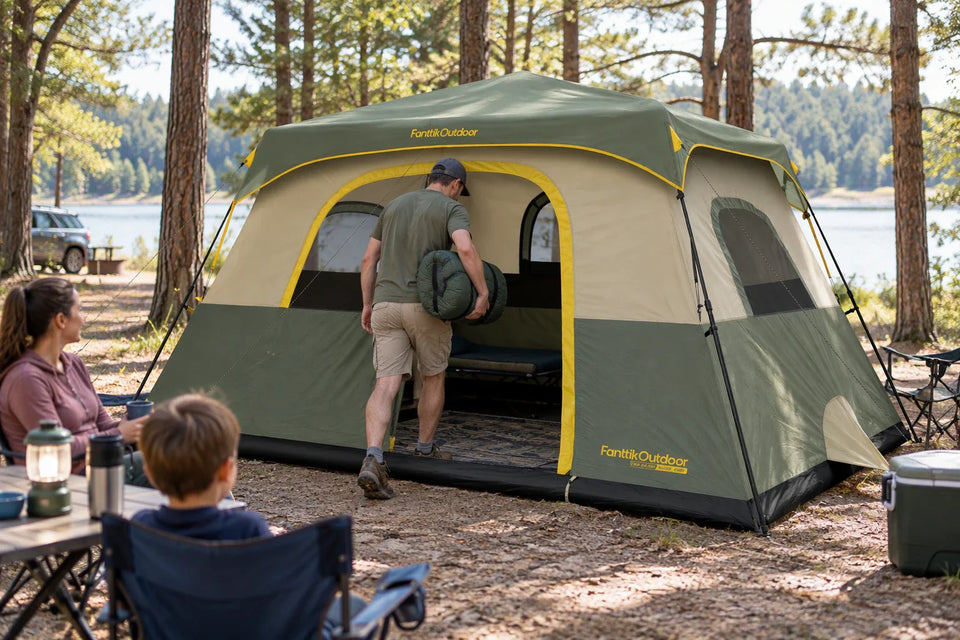 Instant Tent or Cabin Tent for a Weekend Family Campground Trip?
Instant describes how a tent goes up and cabin describes its shape. See how two instant cabin models...
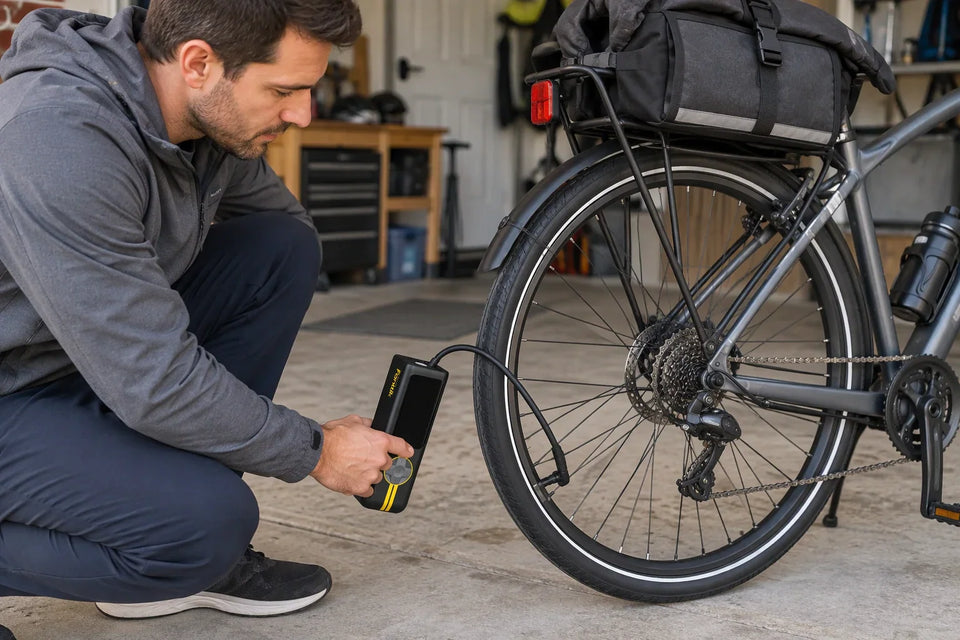 Bike Tire Pressure With a Loaded Commuter Bag
A step-by-step way to compare your bike empty and with a work bag, find which wheel gains load,...
Leave a comment
This site is protected by hCaptcha and the hCaptcha Privacy Policy and Terms of Service apply.