









































If either of you might need to get up while the other is asleep, pick a tent with two usable doors on opposite sides. One shared door can still work if you can both reach it without crawling through each other's sleeping space and you don't mind using the same route.

The door count alone won't settle it. What matters is the tent door layout: where each opening sits next to each sleeping pad, and whether gear in the vestibule blocks the way out.
One Door or Two? Choose by Your Nighttime Access
Start with how often each of you will leave the tent while the other is resting. Once you know that, you can tell whose route each door needs to serve.
- Different schedules or likely nighttime trips: Choose two doors on opposite sides that each person can actually use. In OutdoorGearLab's testing, the opposite-side doors on the reviewed ZPacks Duplex Classic let one camper head out at night without waking the other. Each person's route stays on their own side.
- Shared routine and a clear path: One door can work if you go to bed and get up around the same time. Both sleeping spots also need to reach the entrance without one person crossing the other's space.
A single door gets harder to live with for whoever sleeps on the far side. Outdoor Life calls the one-door Coleman Skydome's far-side nighttime exit less than ideal for the camper stuck on the wrong side of the tent. That's one model, not a verdict on every one-door tent. In some layouts, the far sleeper still has a clean path to the door.
To find out which kind of tent you have, start at the far sleeper's pad and trace the path to the opening. If that path runs over or around your partner's sleeping bag and would wake them, a shared door won't suit a pair with separate schedules. If the path stays clear, or you always wake up together anyway, one door is fine. Then you can compare tents on other features.
Here's an illustrative example. One camper sleeps in while the other gets up before dawn to fish. With one door on the late sleeper's side, the early riser has to cross their partner every morning. With a door on each side, the early riser unzips their own door and slips out, and the late sleeper's side stays undisturbed.

Match Each Door to a Sleeper and Exit Route
A tent door layout works for two campers when each of you can reach an inner door and an outside opening from your own pad without moving through your partner's space. Map this out on the floor plan or in a pitched tent before you commit.
- Mark both sleeping positions, including which end your heads will go.
- Find each inner door (the mesh or fabric door into the sleeping area) and note which sleeper it sits beside.
- If the tent has a rainfly, follow the route from each inner door through the vestibule to the zipper in the fly that leads outside.
- Trace each camper's full path from pad to outside. If a path cuts through the partner's sleeping space or forces someone to shift over, swap your head-to-foot position and trace again.
- If no sleeping position gives you both a clear path, choose a tent whose openings line up better with where you'll sleep.
Side-entry and end-entry designs don't win or lose on their own. A side door that opens next to your shoulder can serve you well. A door at the foot end can also work if the route along your side of the floor stays open. Judge the traced route in the actual tent, not the type of entry printed on the box.
Keep Vestibule Gear Out of the Doorway
A door only helps if you can reach it without climbing over packs and boots. Plan where gear goes in the vestibule and the doorway together, because the covered space outside your door is often the same space you crawl through to get out.
Some layouts keep the two apart. The Trek's review describes the reviewed X-Dome 2's vestibule beside its doorway, which helps keep gear out of the entry route. That's one design. In your own tent, check whether the storage area sits beside each door or right in front of it.
Do a quick trial run at home or at your first campsite. Set up the tent, load the vestibules with the gear you'll actually bring, then have each person crawl out from their own pad. If someone has to step around a pack or move boots to get through, shift that gear to the side of the vestibule. If one side is your gear side, make sure the camper using the other door still has a clear way out.
On wet trips, gear in the vestibule is only as dry as the fly overhead, so it also pays to think about choosing tent fabric for damp woods.
FAQs
Can a two-door tent still leave one camper with an awkward exit?
Yes. Halfway Anywhere's review points out the reviewed Unbound 2's non-mirrored inner doors. The doors are on opposite sides but not directly across from each other, so depending on which way you sleep, one camper may need to scoot over to reach a vestibule. Having two doors gives you options, but the placement decides whether both exits are easy.
What's the difference between an inner door and a vestibule door?
The inner door opens from the sleeping area into the vestibule, the covered space under the rainfly. The vestibule then has its own opening in the fly that leads outside. To get out, you use both. If either opening sits off to one side of your route, your path out gets longer.
Does every two-door tent have two vestibules?
Not necessarily, so check what's outside each door before you buy. If only one door has covered storage, keep the gear on that side. That way the other camper's door stays free for quick trips out.
Is a two-door tent heavier or harder to pitch than a one-door tent?
Door count alone won't tell you. Compare the listed weight and setup steps of the specific models on your shortlist rather than assuming a second door adds bulk or extra steps.
Continue reading
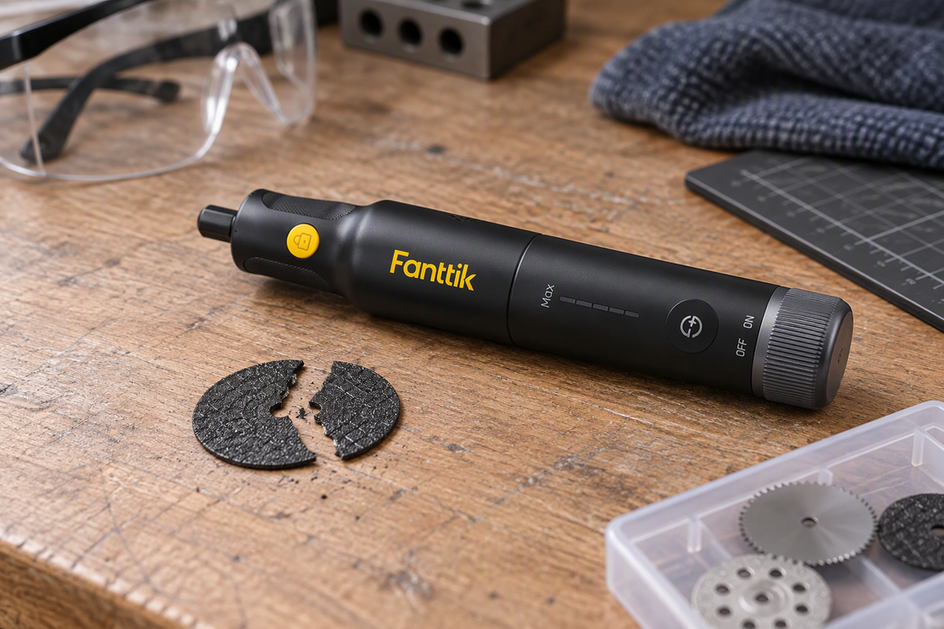 Rotary Tool Cutting Disc Keeps Breaking? What to Check First
A simple troubleshooting path for repeated cutting disc failures: pause the job, confirm documented fit and speed, check...
Rotary Tool Cutting Disc Keeps Breaking? What to Check First
A simple troubleshooting path for repeated cutting disc failures: pause the job, confirm documented fit and speed, check...
 What Size Tent Do You Need for Camping With a Dog?
A practical way to size a tent for a dog: start from editorial examples, measure the dog's bed,...
What Size Tent Do You Need for Camping With a Dog?
A practical way to size a tent for a dog: start from editorial examples, measure the dog's bed,...
Leave a comment
This site is protected by hCaptcha and the hCaptcha Privacy Policy and Terms of Service apply.