




To vacuum a sofa or upholstered chair safely, start with the furniture's own care guidance. If it allows vacuuming, use the attachment it names, keep contact light, and work cushions, seams, and gaps without forcing the tool. Stop as soon as the tool catches, pulls, or visibly changes the fabric.
This routine lowers the risk of snags and worn nap, but it can't promise zero damage. Every fabric is different, and the maker's instructions for your piece always outrank general tips, including the ones below.
How to Vacuum Upholstery Without Damaging the Fabric
Vacuuming upholstery safely comes down to five moves: confirm permission, choose the right attachment, clean loose parts, work fixed areas gently, and know when to pause. Each step builds on the one before it.
Check the Furniture's Care Guidance First
Before you pick up a tool, find the care instructions for your piece. Look for a sewn-in tag under the seat cushions or along the bottom of the frame. Also check any care card that came with the furniture, or the retailer's or fabric maker's care page for that model or fabric. What you need from it is simple: does it allow vacuuming, and does it name an attachment or contact method? If the answer to the first question is yes, continue. If it's no or unclear, jump to the section on missing or restrictive instructions before you go any further.
Use the Specified Attachment With Light Contact
Match the tool and pressure to what your care guidance says. Don't guess at a suction setting the instructions never mention. Makers don't all agree, so it helps to know how much the advice can vary. Rowe's light-contact upholstery guidance calls for an upholstery brush attachment and light pressure for its upholstery. It also warns against using an electric beater bar or putting the vacuum nozzle directly on the fabric.
"Brush" doesn't mean the same thing on every tool, though. Herman Miller's guidance for its Daydream wool-blend fabric specifies an upholstery attachment and says not to brush the fabric or use a vacuum attachment with a rotary brush. It explains that brushing may permanently damage the nap or change the character of that fabric. So a soft upholstery brush and a powered rotary brush aren't interchangeable. Use whichever one your own fabric's instructions approve, and skip the other.

Vacuum Loose Cushions and the Exposed Deck
Cushions built to lift free let you reach the deck underneath, which is the platform the cushions rest on. Work in this order:
- Lift out only the cushions that come free easily. Don't pull, pry, or unzip covers to get them out.
- Set each cushion on a clean surface and vacuum its top, bottom, and sides with your approved attachment, using slow, overlapping passes.
- Vacuum the exposed deck, working from the back toward the front edge.
- Put the cushions back in their original spots and orientation.
If a cushion is sewn down or resists lifting, leave it alone and treat it as fixed upholstery.
Work Around Fixed Cushions, Seams, and Crevices
Fixed cushions stay where they are. Vacuum their surfaces in place with your approved upholstery attachment, using the same light passes you used on loose cushions. Then work the arms, back, and outside panels.
For the gaps where the seat meets the arms and back, a crevice tool can help. Bernhardt's upholstery and crevice attachment guidance recommends both tools for its furniture fabrics and cushions, which shows how one maker handles tight areas. Use a crevice tool only where your own furniture guidance and your vacuum's instructions allow it. Run it along the gap you can actually reach. Don't push, wedge, or twist it deeper into the fabric or the seams to chase debris.

Pause if the Tool Catches or the Surface Changes
Stop right away if the attachment catches or pulls threads, or if the fabric starts to look different. That could mean fuzzing, flattened or lifted nap, a shiny patch, or puckering along a seam. Don't press harder or switch to a stiffer or powered brush to push through. Turn the vacuum off and lift the tool straight away from the fabric. Before you go on, recheck the care guidance or contact the furniture or fabric maker about that surface.
When the Care Instructions Are Missing or Restrictive
If the instructions restrict vacuuming, follow them. If they don't mention it at all, hold off and ask the maker. Those two situations need different next steps.
An explicit restriction settles the question. If the guidance rules out vacuuming, or rules out a specific attachment such as a rotary brush, don't do it that way. A restriction on one tool doesn't automatically approve every other tool. Only use an alternative that the guidance actually names.
Missing or vague guidance is a different case. A tag might cover spot cleaning or professional cleaning and say nothing about vacuuming. Or it might allow vacuuming without saying which attachment to use. Don't read permission into that silence or borrow it from unrelated care steps. Contact the furniture retailer or fabric maker with the model name, or the fabric name if you know it. Ask two specific questions: Is dry vacuuming allowed? Which attachment and contact method do you recommend? Once you have a clear answer, return to the method above.
FAQs
Can every upholstered sofa or chair be vacuumed?
Not necessarily. Whether vacuuming is allowed, and with which tool, comes from the care instructions for that specific piece or fabric. If those instructions restrict it or don't address it, hold off until the furniture or fabric maker confirms an approved method.
Is an upholstery brush the same as a rotary brush attachment?
No. An upholstery brush is a static attachment, while a rotary brush spins. Some makers treat them very differently. Herman Miller's care sheet lists the rotary-brush restriction for this named fabric, its Daydream wool blend, and calls for an upholstery attachment instead. Check which type your own fabric's guidance names.
Do feather-and-down cushions need different vacuuming?
They can. For its feather-and-down cushions, Room & Board's feather-and-down cushion care recommends vacuuming with an upholstery attachment between the fabric casing and the cushion to help keep feathers from poking through the fabric. That advice applies to that cushion construction and source. Don't open or separate other cushion covers unless your own furniture's guidance tells you to.
How often should upholstery be vacuumed?
There's no single schedule for every fabric. Some furniture makers set one for their own products. RH's fabric care instructions, for example, recommend vacuuming every 1 to 2 weeks with a proper upholstery attachment to remove airborne dust and lint from the fabrics they cover. Follow the timing in your own piece's care guidance if it gives one.
Continue reading
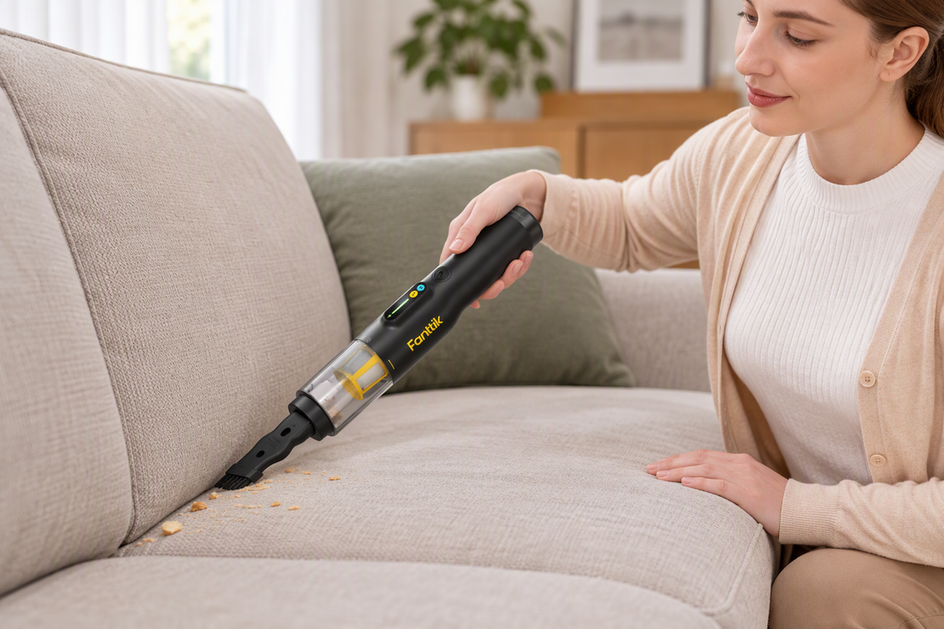 How to Vacuum Crumbs From Upholstery Seams Without Stretching the Fabric
A step-by-step guide to lifting dry crumbs from sofa and fabric car seat seams, with prep checks, attachment...
How to Vacuum Crumbs From Upholstery Seams Without Stretching the Fabric
A step-by-step guide to lifting dry crumbs from sofa and fabric car seat seams, with prep checks, attachment...
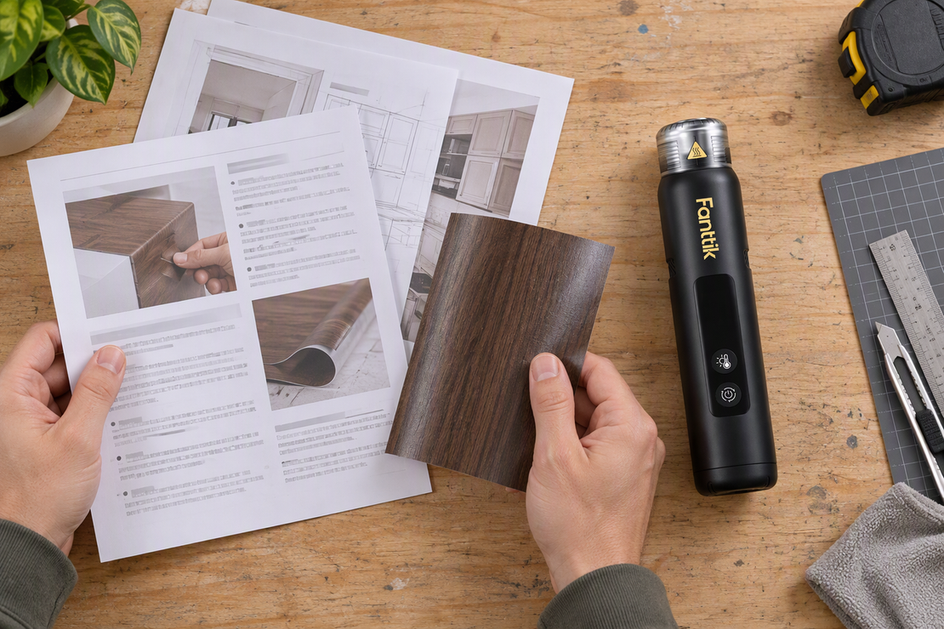 How to Choose a Heat Gun Setting for a Documented DIY Task
A step-by-step method for matching a task's documented heat range to your exact heat gun, with a 3M...
How to Choose a Heat Gun Setting for a Documented DIY Task
A step-by-step method for matching a task's documented heat range to your exact heat gun, with a 3M...
Leave a comment
This site is protected by hCaptcha and the hCaptcha Privacy Policy and Terms of Service apply.