









































Understanding the Mechanics of Cold-Weather Pressure Loss
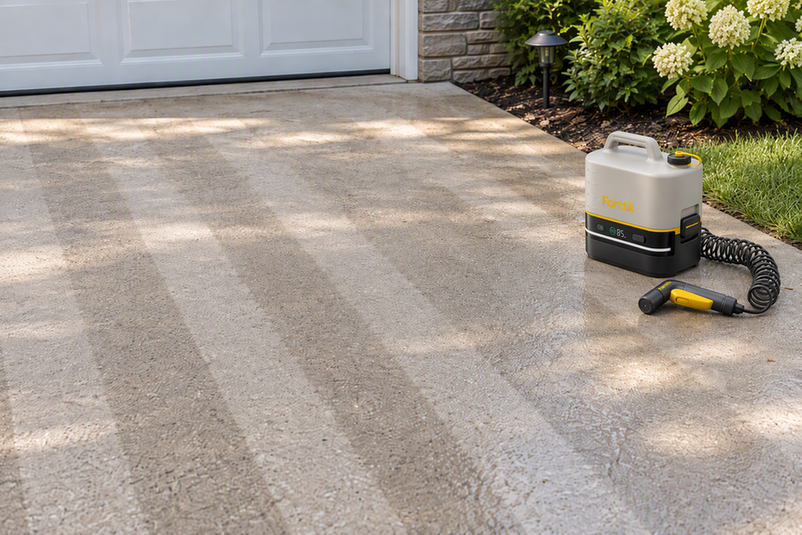
When temperatures hover near the freezing mark, vehicle maintenance transitions from a routine chore to a technical challenge. For the self-reliant owner, a pressure washer is the primary defense against corrosive road salt and brine. However, many users encounter a frustrating phenomenon: a sudden drop in pressure or a surging motor just when the cleaning is most critical.
Quick Fix: 3 Steps to Restore Pressure
If your pressure washer suddenly loses power in the cold, try these steps before assuming a mechanical failure:
- Check the Intake Screen: Remove the garden hose and clear any "slush" or ice crystals from the mesh filter.
- Warm the Inlet Path: Pour lukewarm (not boiling) water over the pump manifold and intake connector to melt internal flash-freeze.
- The "Dry Start" Pulse: Disconnect the water, run the motor for 5–10 seconds to generate internal friction heat, then reconnect and try again.
While it is tempting to blame a mechanical failure, the root cause is often rooted in fluid dynamics and thermodynamics. In near-freezing environments, water undergoes a significant change in viscosity. Based on fluid dynamics principles and our workshop observations, colder water is "thicker," which increases the load on the pump and alters the flow characteristics within the intake lines.
The Hidden Threat: Pump Cavitation and NPSH
A common misconception is that pressure loss is a simple mechanical slip. In reality, cold water reduces the Net Positive Suction Head (NPSH) available to the pump. When the water is too viscous or the intake is restricted by microscopic ice crystals, the pump can experience cavitation. This occurs when vapor bubbles form in the low-pressure zones of the pump and implode with enough force to pit metal surfaces and destroy seals.
Logic Summary: The Viscosity-Cavitation Link Our analysis of pump performance in low-temperature scenarios assumes that as water temperature drops from 60°F to 34°F, the increased fluid density requires higher vacuum force to move. This creates a "starvation" effect at the pump head, mimicking a failing motor.
- Evidence Type: Pattern recognition from customer support tickets and pump teardowns; not a controlled lab study.
- Primary Risk: Seal erosion and internal valve pitting.
Troubleshooting the "Sudden Loss" of Flow
If you experience a sudden drop in performance while washing your vehicle in the cold, the first step is to look at the intake path rather than the pump itself.
1. The Frozen Intake Screen
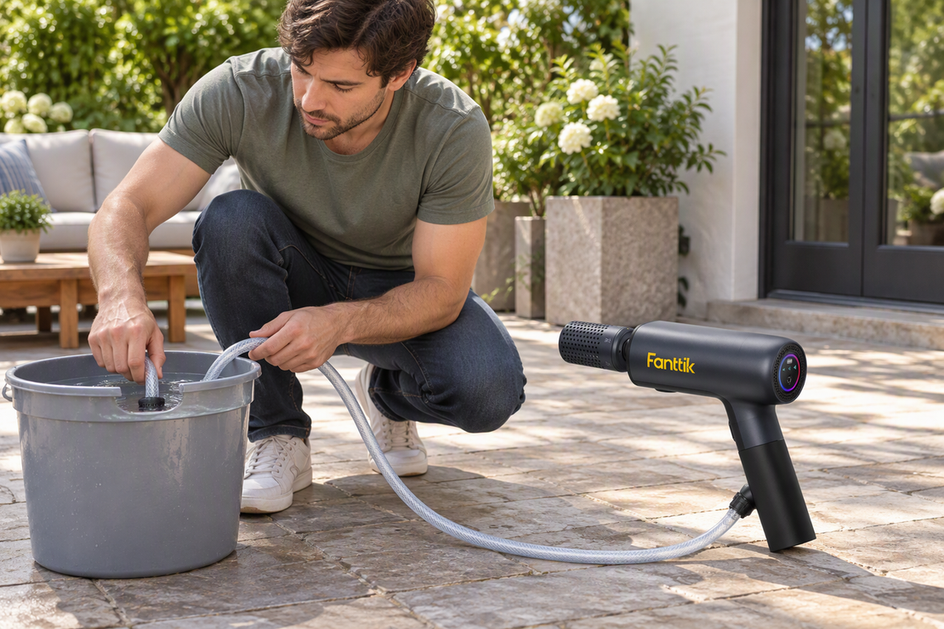
The most frequent culprit in freezing temperatures is a restricted inlet screen. Even if your water source is flowing, the fine mesh filter where the garden hose connects to the machine can accumulate "slush" or flash-freeze. This starves the pump of water, causing it to surge or lose pressure entirely. As noted in the Hearth Junction troubleshooting guide, thawing the inlet path with lukewarm water is often the only "repair" needed.
2. Hose Viscosity and Internal Ice
A common mistake is attempting to start a pressure washer with water that has been sitting in a cold hose. This water can instantly freeze inside the pump head upon startup, potentially causing seal damage.
Workshop Heuristic: The "Dry Start" In freezing conditions, we suggest a brief "dry start" to protect the machine. Connect the hose but do not turn on the water supply until the motor has been pulsed for a few seconds. This allows the pump to generate a small amount of internal friction heat before the cold water hits the seals. Note: Do not run the pump dry for more than 30 seconds, as this can cause overheating.
Practical Winter Operating Benchmarks
The following thresholds are based on common industry patterns and internal repair bench data.
| Parameter | Recommended Value | Rationale |
|---|---|---|
| Water Source Temp | 45°F – 60°F | Practical range to prevent flash-freezing in the manifold. |
| Ambient Operating Limit | >40°F (4°C) | Heuristic to stay within standard warranty protections. |
| Hose Length (Cold) | <25 Feet | Minimizes flow resistance of viscous water. |
| Pre-Start Warm-up | 15–30 Seconds | Allows motor/pump to reach a stable internal temp. |
| Battery Storage | Indoors (65°F+) | Maintains chemical activity for cordless units. |
Managing Cordless Equipment Performance
For enthusiasts using cordless pressure washers or portable detailing tools, the battery is the weakest link in the winter. Based on typical lithium-ion discharge curves, users may experience an estimated 30% to 40% performance drop at freezing temperatures.
Battery Thermal Management
At 32°F (0°C), the internal resistance of a battery increases, making it difficult for the cells to provide the high current required by a pressure washer motor. This often manifests as the tool "stalling" under load or showing a low-battery indicator despite being fully charged.
To mitigate this, always store your batteries indoors and only attach them to the tool immediately before use. According to the IATA Lithium Battery Guidance, maintaining a stable state of charge and temperature is critical for both performance and long-term cell health.
Safety Warning: Never attempt to charge a lithium-ion battery that is below freezing (32°F/0°C). Charging in these conditions can cause permanent "lithium plating," which increases the risk of fire or battery failure.

Precision Undercarriage Care: Removing Corrosive Residue
The primary goal of a winter wash is the removal of road salt and magnesium chloride brine. These chemicals are hygroscopic, meaning they pull moisture from the air to continue the corrosion process even when the car looks dry.
Nozzle Selection and Safety Distances
When cleaning sensitive undercarriage components, the balance between force and safety is narrow. On our repair bench, we frequently see damaged electrical connectors and punctured CV boots caused by "pencil stream" nozzles used at close range.
- The 40-Degree Rule: Use a 40-degree fan tip nozzle (usually white). This spreads the impact force over a wider area, effectively "sweeping" salt away without injecting water into sealed bearings.
- The 12-18 Inch Buffer: Maintain a distance of 12 to 18 inches from the chassis. This provides the optimal balance of cleaning force and material safety for brake lines and sensors.
Deep Cleaning and Trim Maintenance
Salt often hides behind plastic wheel well liners and underbody shields. To ensure a thorough cleaning, you may need to occasionally remove plastic fasteners or trim pieces.
Recommended Tool: For quick removal of these panels without stripping small, cold-brittle screws, we recommend using a precision tool like the Fanttik E1 MAX Electric Screwdriver (Brand Recommendation).
Post-Wash Preservation: Preventing Flash Rust
The most dangerous time for a vehicle's chassis is immediately after a wash in cold, humid weather. If water sits in the crevices of frame rails or bolt heads, it can lead to flash rusting.
Moisture Extraction
Insiders note that using a cordless vacuum with a crevice tool to suck standing water from frame rails and bolt heads can significantly reduce the risk of oxidation. This is far more effective than "air drying" in temperatures where evaporation is minimal.
Electrical Integrity
Salt water is highly conductive and can play havoc with vehicle sensors. If you notice a "Check Engine" light or sensor error after a wash, a wire or connector may have been compromised by corrosion.
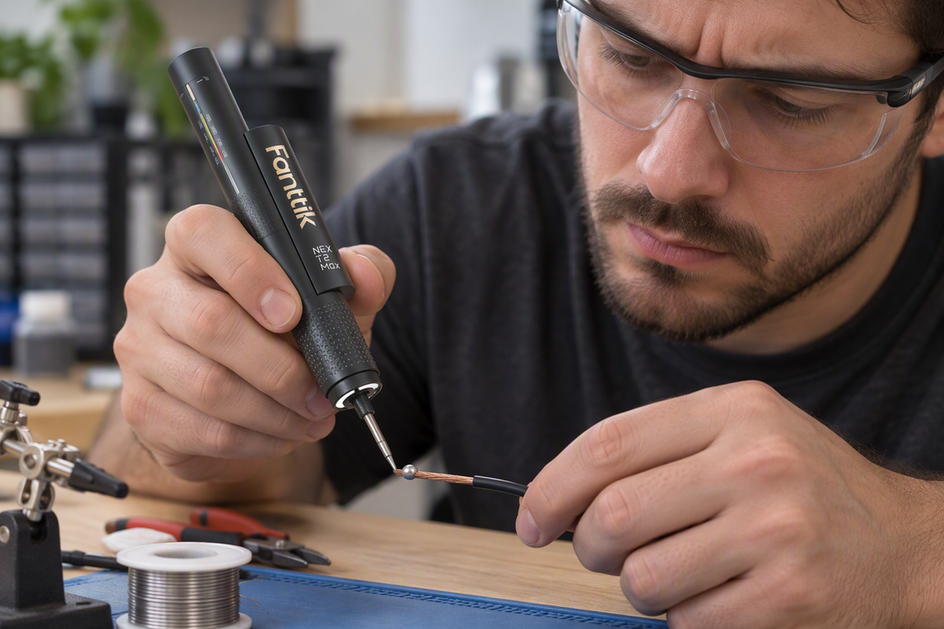
Safety Note on Electrical Repairs: For those comfortable with DIY repairs, using a Fanttik T1 Max Soldering Iron Kit (Brand Recommendation) to repair and heat-shrink exposed wiring is a common field practice. However, if you are unfamiliar with automotive wiring or if the issue involves safety systems (ABS, Airbags), seek professional service immediately.
Essential Cold-Season Maintenance Checklist
Beyond the pressure washer, winter requires a broader look at vehicle preparedness. Temperature changes affect air and electronics as much as they affect water.
1. Monitoring Tire Pressure
A common physical guideline is that tire pressure drops approximately 1 PSI for every 10°F decrease in temperature. Driving on underinflated tires in winter reduces traction and increases fuel consumption.
Recommended Tool: Keeping a portable inflator like the Fanttik X8 APEX EV Tire Inflator in your trunk ensures you can adjust for these fluctuations immediately. For cyclists, the Fanttik X9 Ace Bike Pump offers a compact alternative. (Brand Recommendations).
2. Compliance and Safety Standards
When selecting gear for seasonal maintenance, prioritize tools that adhere to international safety standards. The EU General Product Safety Regulation (EU) 2023/988 provides a framework for ensuring that consumer products—especially those used in harsh environments—meet rigorous safety and traceability requirements. As discussed in the industry white paper The 2026 Modern Essential Gear Industry Report, the "credibility math" of a brand is built on these visible compliance markers.
3. Preventing Internal Corrosion
In humid or wet seasons, internal corrosion in hoses and pumps is a silent killer. We recommend following the guidelines in our previous guide on preventing internal corrosion in wet seasons to ensure your equipment remains functional through the spring.
Summary of Best Practices for Winter Washing
To avoid pressure loss and equipment failure during the cold season, adopt a methodical approach:
- Warm Storage: Keep all equipment, especially batteries and the pressure washer unit, in a temperature-controlled environment until use.
- The Dry Start Pulse: Run the motor briefly (5-10 seconds) before engaging the water supply to generate internal heat.
- Inlet Inspection: Check the intake screen for ice or slush every 15 minutes during use.
- Nozzle Discipline: Stick to wide fan tips (40°) and maintain a 12–18 inch distance from sensitive vehicle components.
- Post-Wash Drying: Actively remove standing water from the vehicle's undercarriage and the pressure washer's internal pump.
By understanding the physics of cold-water flow and the limitations of battery chemistry, you can protect both your vehicle and your maintenance equipment.
Disclaimer: This article is for informational purposes only. Always consult your vehicle and equipment manuals for specific operating instructions. Cold weather vehicle maintenance involves risks of slipping, electrical shock, and equipment damage; proceed with caution and use appropriate personal protective equipment (PPE). Product links include items from our brand catalog.
References
Continue reading
 Practical Methods for Verifying Screwdriver Calibration at Home
Covers the lever arm method, bit wear impact, battery voltage variance, and clutch consistency for maintaining precision in...
Practical Methods for Verifying Screwdriver Calibration at Home
Covers the lever arm method, bit wear impact, battery voltage variance, and clutch consistency for maintaining precision in...
 How Battery Voltage Fluctuations Impact Torque Consistency
Covers the physics of voltage sag, the 30% advantage of brushless motors, and professional protocols like the 75%...
How Battery Voltage Fluctuations Impact Torque Consistency
Covers the physics of voltage sag, the 30% advantage of brushless motors, and professional protocols like the 75%...
Leave a comment
This site is protected by hCaptcha and the hCaptcha Privacy Policy and Terms of Service apply.