








































The Professional Shift: Why Documentation Matters
Transitioning from a hobbyist to a professional maker or small workshop operator involves more than just upgrading your toolkit; it requires a rigorous approach to systems. For those operating high-volume custom shops or electronics labs from a home garage, safety and organization are no longer just personal preferences—they are essential for managing liability and potential regulatory oversight.
One of the most frequently overlooked aspects of workshop professionalization is the standardization of disposal logs. Whether handling spent lithium-ion cells or contaminated solvents, how you document the "end of life" for these materials can help define your professional standing. In an era where Engineering Trust in a Cordless World is becoming a benchmark for the industry, a meticulous disposal log serves as a primary record for insurance reviews and local safety audits.
Quick Summary: The Documentation Standard
- Why log? To track hazardous waste thresholds, reduce liability, and ensure compliance with local HHW (Household Hazardous Waste) limits.
- Key Fields: Date, Item Description, Weight/Volume, Waste Code, Disposal Facility, and Witness Initials.
- The Hybrid Approach: We recommend a physical binder for receipts combined with digital photos for visual evidence.

The Regulatory Landscape: Moving Beyond "Thrown Out"
Operating a professional-grade home garage places you at the intersection of various local and national guidelines. Under frameworks like the EU General Product Safety Regulation (EU) 2023/988, traceability is a core component of safety. While these regulations often target finished goods, the process of managing the resulting waste is equally important to local environmental agencies.
In our experience supporting workshop owners, a common pitfall is failing to log partial discharges of aerosol cans or contaminated solvents. Many assume a half-empty can of brake cleaner is negligible until it is empty. However, these items typically contribute to your monthly hazardous waste volume thresholds. If an inspection occurs, "thrown out" is often considered an insufficient entry that can lead to administrative complications.
Practical Heuristic: Based on patterns observed in workshop management, we suggest that maintaining a complete log can help reduce the risk of accidental regulatory non-compliance. While not a guarantee against audits, thorough documentation is a recognized best practice for risk mitigation.
Understanding Volume Limits and the "Hoarding" Risk
A critical insight we have observed is the logistical bottleneck created by limited disposal windows. Many local HHW facilities operate on restricted schedules. In many North American jurisdictions, these facilities enforce daily limits—often around 15 gallons or 125 lbs for residential-based workshops.
Without tracking accumulated waste, you risk a project delay if you exceed the daily intake limit at the facility. We suggest scheduling disposals quarterly and using your log to monitor when you are approaching these common thresholds.
The Anatomy of a Professional Disposal Log
A standardized log should be treated as an audit-ready record. Based on our observations of professional workshop workflows, a robust entry should include these six fields:
- Date: The day the item was decommissioned or moved to waste storage.
- Item/Description: Use specific terms (e.g., "90% IPA contaminated with grease" instead of "solvent").
- Weight/Volume: Essential for staying under local HHW limits.
- Waste Code: Where applicable, use codes from the US Harmonized Tariff Schedule or local EPA guidelines.
- Disposal Method/Facility: Record the name of the authorized facility or pickup service.
- Witness/Initials: Having a second person verify the entry adds a layer of accountability.
Precision Tools and Safety Documentation
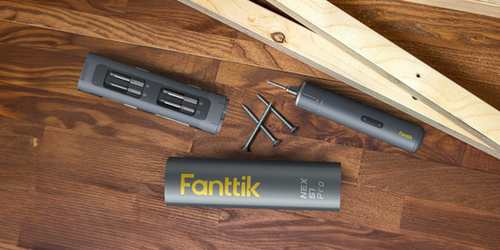
When handling sensitive components like lithium-ion batteries, the tools used for disassembly impact safety. For example, when preparing a device for recycling, using a controlled tool like the Fanttik E2 MAX Precision Electric Screwdriver (a staple in our electronics kits) allows for the removal of fasteners without compromising the battery casing—a key step in preventing potential thermal runaway.

Specialized Handling: Lithium Batteries and Aerosols
Lithium-ion batteries require a specific protocol. According to IATA Lithium Battery Guidance, even depleted batteries can pose a short-circuit risk if stored improperly.
The Terminal Taping Rule of Thumb: We recommend taping battery terminals with non-conductive tape before placing them in a disposal bin. In our workshop, we maintain a "pre-disposal kit" that includes tape, heavy-duty bags, and a dedicated logbook to ensure this step is never skipped.
Managing Aerosols and Chemicals
Aerosol cans are a frequent contributor to volume threshold violations. While a shop might generate a steady volume of used oil, a single restoration project can result in dozens of aerosol cans.
- Tip: Consider using a digital scale to weigh aerosol cans. This provides a precise weight for your log, which is often more accurate than estimating volume.
- Cleaning Tip: Use a tool like the Fanttik B10 Pro Electric Air Duster to clear debris from storage areas before logging. Clear digital photos of organized waste bundles are often helpful if you need to verify disposal volumes with a vendor or insurer.
Digital vs. Physical Logs: Navigating the Liability Trap
There is an ongoing debate regarding digital versus physical logging. While digital templates offer efficiency, they also introduce specific considerations.
The Digital Retention Consideration
Under certain data frameworks, digital logs can become discoverable business records. Furthermore, if a homeowners' insurance provider classifies a home garage as a "commercial business" due to professional-grade digital record-keeping, it may impact policy classifications or premiums.
The Hybrid Recommendation
We suggest a hybrid system as a balanced approach for professional home garages:
- Physical Binder: Store signed receipts from disposal facilities.
- Digital Photo Evidence: Keep photos of prepared waste bundles to supplement your entries.
- The "Witness" Step: Having a second person initial a physical log provides a layer of human verification that simple digital timestamps may lack.
Illustrative Economic Impact Analysis
To understand the potential value of these systems, we have modeled a representative scenario for a high-volume custom workshop.
Scenario Modeling: Potential Cost-Benefit
Note: The following figures are illustrative estimates based on common workshop parameters and are not a guarantee of specific financial outcomes.
| Parameter | Illustrative Value | Rationale |
|---|---|---|
| Annual Waste Volume | 60 Gallons | Typical limit for high-volume home shops |
| Documentation Utility | High | Reduces risk of administrative oversight |
| Potential Fine Avoidance | Variable | Based on local EPA/Environmental benchmarks |
| System Setup Cost | ~$110 | Estimated cost for templates, scales, and binders |
| Insurance Impact | Case-by-Case | Documented safety protocols may aid in policy renewals |
Key Observations from Our Modeling:
- Risk Management: Meticulous logging can lead to a significant reduction in the probability of a documentation-related violation.
- Time Efficiency: We estimate that switching from disorganized notes to a structured digital template can save roughly 10–13 hours of administrative labor annually for a busy shop.
Methodology Note: These figures are based on scenario modeling using assumed auto-population and validation features in digital templates. Actual results will vary based on individual shop volume and local regulations.
Step-by-Step Implementation Guide
To standardize your workshop’s disposal procedures, follow this methodical approach:
- Verify Local Thresholds: Contact your local municipal waste authority to confirm HHW daily volume and weight limits.
- Establish a Hybrid Log: Prepare a physical binder for receipts and a simple spreadsheet for daily tracking.
- Equip a Pre-Disposal Station: Keep non-conductive tape and a scale in a dedicated area.
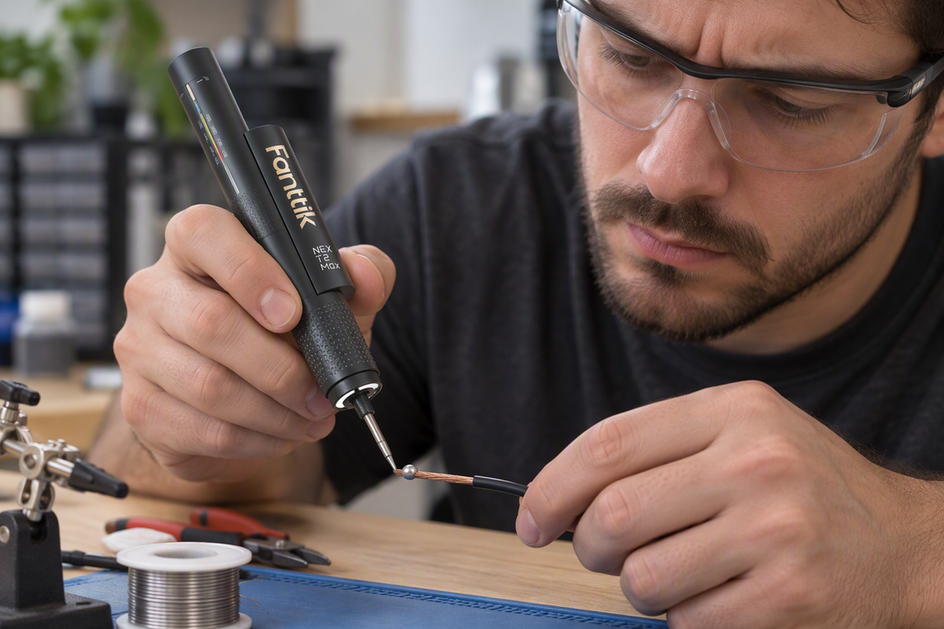
- Maintain Your Gear: For tool-heavy workshops, use a Fanttik F2 PRO Cordless Rotary Tool to clean terminals or address rusted fasteners on waste items, ensuring they are safe for transport.
- Quarterly Disposal Runs: Schedule trips every 90 days to prevent waste accumulation and maintain a clear record trail.

Building a Culture of Professionalism
Standardizing your disposal logs is about more than just compliance; it is about building a "Trust Architecture." When clients or partners see that you handle waste with the same precision you use for a custom build, it reinforces the professional nature of your operation.
By treating documentation as a core capability—much like the precision required to use a Fanttik E1 MAX Precision Electric Screwdriver for a delicate repair—you elevate your workshop from a hobbyist space to a professional-grade environment.
Disclaimer: This article is for informational purposes only and does not constitute professional legal, environmental, or financial advice. Regulations regarding hazardous waste disposal vary significantly by jurisdiction. Always consult with your local municipal waste authority or a qualified compliance professional before establishing disposal protocols.
Sources
Continue reading
 Evaluating Third-Party Recycling Services for DIY Equipment
A guide to selecting certified electronics recyclers for DIY equipment, focusing on safety, data destruction, and lithium recovery...
Evaluating Third-Party Recycling Services for DIY Equipment
A guide to selecting certified electronics recyclers for DIY equipment, focusing on safety, data destruction, and lithium recovery...
 Emergency Disposal: Handling Failed Batteries in Outdoor Sites
A guide to safely handle and isolate failed power cells in the wilderness. Learn critical procedures like the...
Emergency Disposal: Handling Failed Batteries in Outdoor Sites
A guide to safely handle and isolate failed power cells in the wilderness. Learn critical procedures like the...
Leave a comment
This site is protected by hCaptcha and the hCaptcha Privacy Policy and Terms of Service apply.