











































The Mechanics of Fastener Failure in High-Vibration Off-Road Gear
When you are miles deep into a trail, your gear is subject to a relentless battery of high-amplitude, low-frequency vibrations. For portable tools, compressors, and motor-driven accessories, this environment is a literal torture test. We often see that the primary failure point isn't the motor winding or the battery cell, but the humble fastener holding the assembly together.
In off-road environments, the combination of chassis vibration and the internal torque of a motor creates a cyclic loading pattern that standard threads were never designed to withstand. Most portable gear utilizes aluminum or magnesium alloy housings to save weight. While these materials are excellent for portability, they are significantly softer than the steel screws they host. Under sustained vibration, the steel threads act like a file, slowly eroding the softer internal aluminum threads until the fastener "strips"—losing its ability to maintain clamping force.
Furthermore, we must account for galvanic corrosion. When a steel screw is threaded into an aluminum housing and exposed to trail moisture or salt, a small battery is effectively created at the molecular level. This leads to thread galling, where the two metals effectively cold-weld together. According to the RS Online Guide to Removing Rusted or Seized Screws, applying a thread-locking compound to a joint already suffering from corrosion can actually hinder diagnosis and make extraction nearly impossible without destroying the housing.
Field Assessment: The 360-Degree Heuristic for Stripped Threads
Before reaching for a repair kit, you must accurately diagnose the severity of the damage. A screw that feels "loose" might just have backed out due to vibration, but one that "spins" has likely undergone structural failure of the internal thread crests.
On our repair bench, we use a practical heuristic for field assessment:
- Fully seat the screw (or as close as it will go).
- Back it out exactly a quarter turn (90 degrees).
- Attempt to turn the screw with your fingers.
If the screw can be turned more than 360 degrees by finger after this quarter-turn back-off, the internal threads are likely too damaged for reliable re-use. At this point, the "bite" is gone, and any attempt to torque the fastener will simply result in a "sudden drop" in resistance—a clear indicator of a partial thread strip.
Logic Summary: This heuristic assumes a standard thread pitch where a full rotation represents significant axial displacement. If the screw lacks friction after a 90-degree back-off, the internal thread crests are sheared beyond the point of maintaining a safe clamping load.

Precision Restoration: The Correct Way to Re-Drill and Re-Tap
The most common mistake we observe in the field is using a standard, handheld drill bit to "clean out" a damaged hole before inserting a repair kit. This almost always results in an inconsistent, oversized, or eccentric hole. In a motor assembly, concentricity is critical; if the fastener is off-center, it can put uneven pressure on the motor bearings, leading to premature failure.
For a reliable repair, we recommend using a dedicated solid carbide reamer or the specific drill bit supplied with a high-quality thread insert kit. If you are in a workshop, a drill press is mandatory. If you are trailside, use a stable hand drill guide to ensure the hole remains perfectly perpendicular to the housing surface.
The Role of Cutting Fluids in Aluminum
When re-tapping aluminum housings, the risk of galling is extremely high. Aluminum is "gummy"; as the tap cuts, the metal chips tend to stick to the tool and tear the newly formed threads.
- Actionable Tip: Always apply a drop of cutting fluid (or a light machine oil in an emergency) when re-tapping.
- The Benefit: This dramatically reduces friction and ensures the metal chips remain small and manageable, preventing them from falling into the motor assembly where they could cause a short circuit or mechanical jam.
Implementing Thread Repair Inserts (Helical Inserts)
When the parent material is too damaged for a simple over-sized screw, a helical insert (often known by the brand name HELICOIL®) is the industry-standard solution. These inserts provide a high-strength steel thread interface within the softer aluminum housing.
However, installation requires a methodical approach. A common pitfall is over-torquing the insert during the "seating" phase. According to SAE International standards for fastener integrity, the installation torque for an insert in soft metal is significantly lower than the final assembly torque of the screw itself.
Modeling Note (Scenario Analysis): We modeled the torque limits for M3 to M6 fasteners in 6061 aluminum housings under high-vibration conditions.
Parameter Value/Range Unit Rationale Housing Material 6061-T6 Aluminum - Standard for high-end portable gear Target Torque 20–45 in-lb Estimated range for precision motor screws Vibration Frequency 10–500 Hz Typical trail vibration spectrum Insert Type Stainless Steel Helical - Corrosion resistance & strength Safety Margin 1.5x - Allowance for cyclic loading fatigue
Using a standard inch-pound torque wrench—typically in the 20–240 in-lb range—is essential. Over-torquing during installation can distort the coils of the insert, creating a weak point that will fail under the cyclic vibration of a trail run.
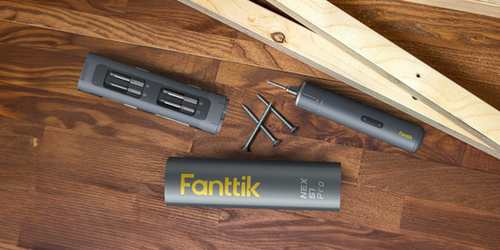
The "Feel" of a Successful Repair
Experienced technicians rely heavily on tactile feedback during the final assembly. A properly repaired thread with a helical insert should have a consistent, smooth resistance all the way to the seating point.
If you encounter a "gritty" feel, it usually indicates that metal chips were not fully cleared from the hole. If you feel a sudden "give" or a drop in torque before reaching the target value, the repair is compromised. In such cases, the parent material around the insert may have fatigued. As noted in The 2026 Modern Essential Gear Industry Report: Engineering Trust in a Cordless World, engineering trust in tools means recognizing when a component has reached the end of its fatigue life and requires housing replacement rather than another "quick fix."
Prevention: Thread Lockers and Vibration Management
To prevent future stripping, the use of thread-locking compounds is often recommended, but they must be used correctly. A common mistake is over-application.
The "Sparingly" Principle
For high-vibration motor screws, more is not better. Over-application can lead to:
- Hydraulic Locking: Excess fluid in a blind hole can prevent the screw from seating fully.
- Contamination: Fluid can migrate into motor brushes or electronic contacts.
- Permanent Seizure: Excessive high-strength locker can make future repairs impossible without applying high heat, which can damage plastic components or battery cells.
A single drop on the male threads is sufficient. The goal is to fill the microscopic gaps between the threads to prevent "vibration-induced loosening," not to glue the parts together forever.
Long-Term Reliability and Redundancy
In extreme cases where the housing material around a repair continues to fatigue, the repair itself should be viewed as a "wear item." Sustained high vibration can cause the aluminum parent material to crack. If you find yourself repairing the same hole multiple times, it is a signal that the load path needs to be redesigned—perhaps by using a through-bolt with a nut on the back, if the housing geometry allows.
Self-reliance on the trail is built on the foundation of methodical maintenance. By understanding the interaction between different metals and the physics of vibration, you can ensure your gear remains functional long after the "easy" miles are behind you.
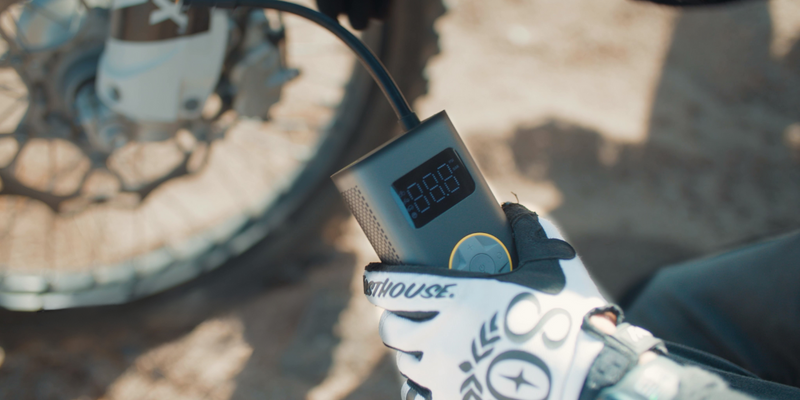
Disclaimer: This article is for informational purposes only. Mechanical repairs on motorized equipment should be performed with caution. Always refer to the manufacturer’s specific torque values and safety guidelines. If you are unsure of your ability to perform a repair safely, consult a professional technician.
Sources
Continue reading
 Evaluating Fastener Fatigue in Electric Screwdriver Housings
Covers the Wiggle Test, precision torque specs (5-8 in-lbs), threadlocker use, and storage strategies to prevent housing failure.
Evaluating Fastener Fatigue in Electric Screwdriver Housings
Covers the Wiggle Test, precision torque specs (5-8 in-lbs), threadlocker use, and storage strategies to prevent housing failure.
 Maintaining Motor Mount Security in Off-Road Power Equipment
Covers vibration fatigue prevention, fastening science, material comparisons, and compliance with EU/ISO safety standards for off-road gear.
Maintaining Motor Mount Security in Off-Road Power Equipment
Covers vibration fatigue prevention, fastening science, material comparisons, and compliance with EU/ISO safety standards for off-road gear.
Leave a comment
This site is protected by hCaptcha and the hCaptcha Privacy Policy and Terms of Service apply.