










































For most interior cleanup, the car vacuum does the real cleaning, because suction collects debris and takes it out of the car. An air duster only moves particles around. It helps only when dry dust is stuck in a vent or seam the vacuum can't reach, and even then the vacuum still has to pick up whatever the air knocks loose.

So the vacuum vs air duster question is less about which tool is stronger. It's about where the mess sits and what kind of mess it is. Sticky spills, set-in stains, and rodent droppings need a different first step altogether.
Should You Vacuum or Use an Air Duster?
Vacuum any loose debris you can reach with a capable car vacuum. Use air only to loosen dry particles in tight gaps, then vacuum again to collect them.
Loose Debris on Seats, Carpets, and Mats
Crumbs, sand, pet hair, and tracked-in dirt on seats, carpets, and floor mats are a job for the vacuum. Toyota's interior-cleaning guide recommends vacuuming loose dirt and debris from seats, carpets, and mats. It also notes that attachments can help you reach tight spots. Suction pulls the material into the vacuum's bin, so it actually leaves the car.
Blowing air across an open seat or carpet can do the opposite. Crumbs scatter into seat tracks, under the pedals, and deeper into the carpet pile. That leaves you more to vacuum later. On these reachable surfaces, choosing between dedicated cleaning tools is simple: go straight to suction and use a narrow nozzle along seat edges and corners.
Dry Particles in Vents and Seams
Dust packed into vent louvers, console seams, and gaps around trim is the one place air can help, and only as a loosening step. One vehicle-detailing guide describes using a compressor-fed air nozzle to blow debris out of crevices, vents, and seams before vacuuming. That method uses a long, narrow nozzle on a high-pressure airline and compressor. It doesn't show that a handheld electric air duster will clear the same spots.
Judge the air step by what you can see. If the particles come out of the gap and land where your vacuum nozzle can reach, the step worked, so vacuum them up right away. If the dust stays put or seems to move deeper, stop using air and go straight to a narrow vacuum attachment instead. Air never finishes the job by itself. For the collection step, our walkthrough on vacuuming car vents covers matching attachments to vents and console seams while protecting nearby screens and glossy trim.

When Neither Tool Is Enough
Change methods when the mess is stuck to a surface or when it came from rodents. Neither suction nor air removes residue that has bonded to fabric or plastic.
Sticky or Stained Residue
Spilled soda, melted candy, and coffee rings aren't loose debris. A vacuum or duster can only clear the dry grit around them. Vacuum first, then treat the stain with a method that suits the surface.
GM's interior cleaning bulletin covers 2022 and earlier GM passenger cars and trucks. It says to vacuum all loose dirt before using any cleaning product and to choose a stain remover based on the stain type. If you drive a different make, look up the approved cleaners in your own owner's manual.
For carpet and cloth upholstery, Consumer Reports' stain-cleaning options include a steam cleaner, or soap and water on a soft microfiber cloth. Those options are meant for fabric, not leather, screens, or glossy plastic. Smudges and film on glossy panels need a soft cloth once the grit is cleared, and our guide to cleaning piano-black trim shows how to do that without scratching.
Rodent Waste or Nesting Material
Droppings, urine, or nesting material in the cabin or vents change your first step. CDC's vehicle cleanup guidance says not to use a vacuum or high-pressure sprayer on rodent urine, droppings, or contaminated surfaces until they have been disinfected. Start with the CDC's disinfection steps, not with either tool. Go back to normal vacuuming only after that's done.
FAQs
Which vacuum attachment works best on cloth seats?
Consumer Reports suggests an upholstery tool for cloth, because its short bristles help work dirt loose from the fabric. A crevice tool is the better pick for reaching under and between seats and into corners. Switching between the two covers most fabric seating without needing air at all.
In what order should I use air, suction, and cleaners?
Loosen first, collect second, clean last. If you use air on a vent or seam, vacuum right afterward so the loosened dust doesn't settle back into the cabin. Save any cleaning product for after the loose dirt is gone. GM's bulletin lays out that order for the vehicles it covers.
Should I spot-clean a heavy stain or clean the whole seat?
For heavily stained or hard-to-clean fabric and carpet, GM's bulletin recommends treating and cleaning the entire surface rather than spot cleaning. That advice applies to the 2022 and earlier GM passenger cars and trucks the bulletin covers. For other vehicles, follow the cleaning guidance for your specific model.
Does the vacuum vs air duster choice change for ordinary dust in the vents?
No. The CDC's no-vacuum warning applies to rodent urine, droppings, and contaminated surfaces. Ordinary dust and crumbs follow the normal routine: loosen dry dust from tight gaps if needed, then vacuum it up.
Continue reading
 How to Choose a Car Air Freshener for Everyday Driving
A format-by-format guide to picking a car freshener for daily commutes and shared cars, with setup, placement, and...
How to Choose a Car Air Freshener for Everyday Driving
A format-by-format guide to picking a car freshener for daily commutes and shared cars, with setup, placement, and...
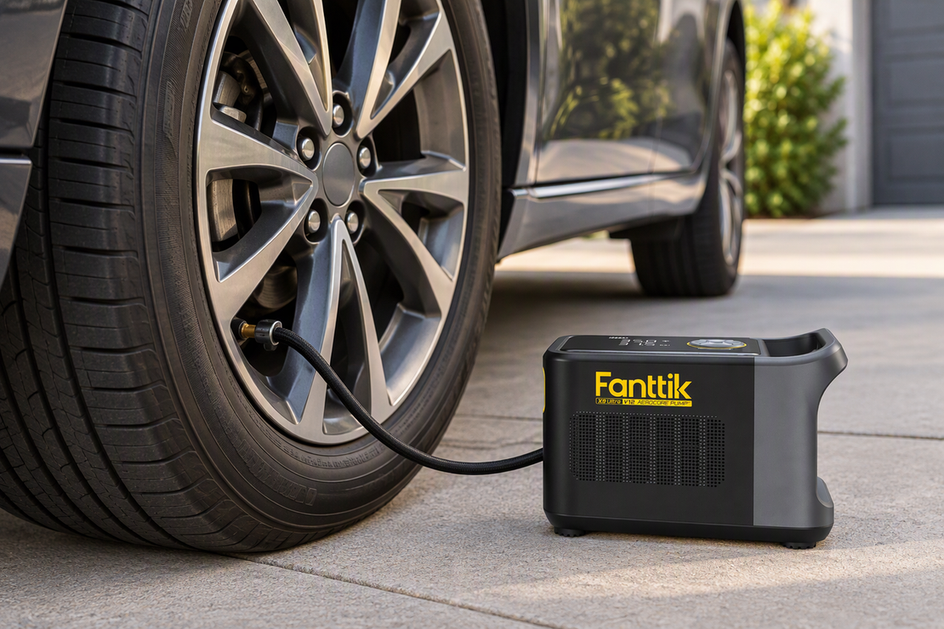 PSI vs. BAR on a Digital Tire Inflator
A guide to reading a digital tire inflator in PSI or bar, converting a pressure reference to the...
PSI vs. BAR on a Digital Tire Inflator
A guide to reading a digital tire inflator in PSI or bar, converting a pressure reference to the...


Leave a comment
This site is protected by hCaptcha and the hCaptcha Privacy Policy and Terms of Service apply.