































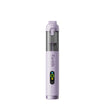










Choose features based on where the mess is, not on the biggest number on the box. For seats, floor mats, and other broad surfaces, look first for a wide surface tool and enough runtime for your session. For seams, seat tracks, and narrow gaps, look first for a slim crevice tool that can reach the spot.
No single suction rating or hose length makes one model your best cordless vacuum for car detailing. A good choice depends on how well its suction evidence, tools, and reach fit the parts of the cabin you clean. If the job involves liquid or deep fabric cleaning, you need a different kind of tool.

Match Features to the Area You Need to Clean
Deciding what to look for in a cordless car detailing vacuum starts with a list of the spots you clean and what collects there. Where the debris sits decides which feature matters most.
Broad Surfaces: Seats and Mats
When most of the debris sits in the open, like crumbs on a seat cushion or grit across a floor mat, coverage matters more than access. A wider surface tool covers more of the area with each pass, and runtime decides whether you finish the job on one charge. Treat this as a shape-based rule of thumb, not a tested performance result. Settle this need before you compare narrow tools or peak suction numbers.
Seams, Tracks, and Narrow Gaps
In a seat seam, a seat track, or the gap beside the console, access comes first. Nothing gets picked up if the nozzle can't reach the debris. For this job, the shape of the tool matters: you want a narrow tip on a tool arrangement that can get into the gap. Only count a specific accessory for this job if the model's documentation shows it included in the setup you're buying.
What a Suction Rating Can—and Can't—Tell You
A peak suction number can't tell you how well a vacuum will clean your car, so don't use it to rank models. Suction is usually listed in pascals (Pa), a unit of pressure. One independent buying guide explains that Pa measures static pressure, and that a peak Pa figure does not establish airflow or cleaning results.
That guide also points out that brands measure Pa in different ways. Some may measure at the motor instead of the nozzle. In the author's own testing, several budget vacuums with high Pa claims showed below-average airflow at the nozzle and scored poorly on carpet cleaning tests. Airflow is the volume of air moving through the tool, often listed in CFM (cubic feet per minute). It is a separate measure from static pressure.
In practice, keep three things apart: the listed suction figure, the airflow figure, and how much debris the vacuum actually picks up. If two candidates list different Pa numbers, don't assume the higher one will clean your mats better. Look for independent tests that report airflow and actual cleaning results. There is no universal Pa cutoff for car interiors, so a suction number alone can't show which model is your best cordless vacuum for car detailing.
Which Attachments Reach Seats, Mats, and Gaps?
Two tool shapes cover the split described above: a wider surface tool for open areas and a long, narrow crevice tool for tight spots. A Ceramic Pro interior vacuuming guide describes a carpet or soft-bristle tool as the go-to for interior surfaces, and a long, skinny edge crevice tool for hard-to-reach areas like between seats. Use the table below as a practical guide to tool shapes, not a performance rating.
| Interior location | Tool shape to prioritize |
|---|---|
| Seat faces, seat backs, floor mats, open carpet | Wider surface tool (carpet or soft-bristle style) |
| Between seats, seat seams, seat tracks, console gaps | Long, narrow crevice (edge) tool |
When you compare kits, check that the accessory list for the exact model names both shapes. A large accessory count doesn't help if one of these two shapes is missing. A tool made for another vacuum only counts if the maker documents that it fits your model.
How Much Reach Does Your Cabin Layout Need?
You need enough reach to get the tool tip to your hardest spot while the vacuum body stays clear of whatever is in the way. No universal length works for every cabin, so test candidates against your own car. Pick the most awkward target first, such as the track under the driver's seat or the gap between a seat and the center console.
Next, picture the documented tool arrangement at that spot. Can the tip reach the debris while the handheld body clears the seat frame, door pillar, or console? If the model only lists a short, rigid nozzle and the body would jam against the seat before the tip gets there, that model fails your access test. Don't expect an unlisted add-on to fix it.
Be careful with vague labels. A "long hose" with no stated length or configuration doesn't tell you how far the tool will reach. Count a hose or extension only when the exact model lists that part and shows how it attaches. If one candidate documents a setup that reaches your hardest spot and another doesn't, that difference can decide which one is your best cordless vacuum for car detailing.
Check Runtime and Upkeep Against the Cleaning Session
Runtime and upkeep matter only when they could stop a session before you finish. Compare the model's documented numbers with how you actually plan to clean:
- Runtime in your mode: Find the manufacturer's stated runtime for the power mode you plan to use. If it's shorter than your planned session without a break, the model doesn't meet that need. Plan for charging breaks or pick a different model.
- Filter and bin care: Consider these only when the model's manual sets a requirement that affects your session, such as emptying or cleaning the filter at points that would interrupt your work. If the documentation sets no such requirement, don't let it drive the choice.
Don't apply one model's runtime or care instructions to another model, even from the same brand.
When Is a Cordless Vacuum the Wrong Tool?
A cordless vacuum built for dry debris is the wrong tool when the job involves liquid or deep fabric cleaning. A dry-pickup spec sheet doesn't show that a model can handle either one. Treat a cordless vacuum as safe for wet pickup only if its own documentation says so.
Deep fabric cleaning is a different process. Auto Cleaned explains that surface-liquid pickup differs from fabric extraction. A wet/dry vac pulls up surface liquid and loose dirt. An extractor sprays water into the fabric first, loosening embedded grime, and then pulls it back out. If your seats or carpet need that kind of cleaning, a dry cordless vacuum isn't built for the job.
Some jobs aren't about collecting debris at all. If you mainly need to blow dust out of vents or trim, our guide to air duster vs canned air covers that separate task.
FAQs
Do more attachments mean a better car vacuum?
Not by themselves. What matters is whether the kit for that exact model includes the shapes your cabin needs, usually a wider surface tool for open areas and a narrow crevice tool for gaps. A small kit with both shapes fits better than a large kit that is missing one.
Can I use attachments from a different vacuum?
Only if the manufacturer documents that the attachment fits your exact model. A tool that looks similar may not lock in or seal properly, and a fit that isn't documented is a guess. When in doubt, choose tools listed for that model.
Is battery capacity the same as runtime?
No. Battery capacity, listed in mAh or Wh, describes stored energy. Runtime is how long the vacuum actually runs, and it can change with the power mode. For a cleaning session, compare the stated runtime for the mode you plan to use, not the battery rating.
Continue reading
 Car Buffer Polisher Guide: Dual Action vs. Rotary for DIY Detailing
A DA suits beginners doing routine gloss work, while a rotary fits heavy correction after practice. See how...
Car Buffer Polisher Guide: Dual Action vs. Rotary for DIY Detailing
A DA suits beginners doing routine gloss work, while a rotary fits heavy correction after practice. See how...
 Cordless Car Blower Buying Guide: Touchless Drying for Auto Detailing
A task-based guide to judging cordless blowers for post-wash car drying, from separate airflow and air-speed specs to...
Cordless Car Blower Buying Guide: Touchless Drying for Auto Detailing
A task-based guide to judging cordless blowers for post-wash car drying, from separate airflow and air-speed specs to...


Leave a comment
This site is protected by hCaptcha and the hCaptcha Privacy Policy and Terms of Service apply.