































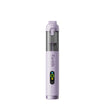






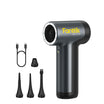
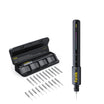
Match the attachment to the surface before you turn the vacuum on. Knowing how to vacuum tight spaces in car seat rails and AC vents comes down to selecting narrow crevice access for metal tracks and soft low-contact tools for delicate louvers. Clear loose dry debris first, and never force a tip into an opening that it does not fit.
This approach covers ordinary dry cabin debris like crumbs, dust, hair, and tracked-in dirt. It is not a wet-cleaning or HVAC-repair method, and it will not lift compacted grime stuck deep in a seam.
Choose the Right Attachment Before You Start
The attachment you pick before you start decides whether you clean the gap or scratch it. Seat rails and vents need different tools because they present different risks to the vacuum tip.
- A narrow crevice attachment for seat rails, under-seat gaps, and corners, as long as it reaches the debris without scraping the track or trim.
- A soft brush or similarly low-contact attachment for AC vent faces and delicate seams, where a rigid tip can catch on the fins.
According to Consumer Reports interior cleaning guidance, crevice tools reach between seats and corners, while soft brushes agitate dust around vents and seams without gouging plastic. Before you commit to either tool, check that it seats securely on the vacuum hose and moves freely at the opening. If it wobbles, wedges, or needs extra push to fit, switch attachments instead of pressing harder.
Prepare the Cabin and Set Up the Vacuum
Getting the cabin ready takes a few minutes and prevents most of the scratches and clogs that show up later. Set the vehicle up for clear access before you start vacuuming.

- Park safely, turn the vehicle off, and remove loose items like floor mats, cups, and bags from the work area.
- Open a door or window and add a light if the rail or vent area is hard to see.
- Gather your vacuum, the crevice or soft-brush attachment you selected, and a small soft brush for loosening stuck material.
- Clear the visible loose dry debris first, keeping the vacuum inlet close so crumbs and dust are captured instead of pushed deeper into the track or vent.
- Run a short test pass on an easy, accessible section before moving into a tighter rail or vent opening.
That test pass tells you whether the attachment moves freely in this specific vehicle's gaps before you commit to the harder-to-reach spots.
How to Vacuum Seat Rails, Seat Gaps, and Console Seams
Seat rails and the gaps around them respond best to short, controlled passes rather than one long push. Work from an accessible edge inward so you're always pulling debris toward the vacuum, not deeper into the track.
Work From the Track Edges Into the Seat Gap
- Place the crevice tip at an accessible rail edge and keep it aligned with the track instead of wedging it sideways across the opening.
- Move in short passes toward the corners and the gap between the seat and console, pausing when you feel debris collect so the vacuum can capture it.
- Reposition the seat only as far as needed for visibility or access, then repeat the pass from the newly exposed edge.
Clear Console and Trim Seams Without Levering
Keep the nozzle close to the seam opening and use the smallest tip that still moves freely inside it. Follow the seam's shape rather than scraping across the trim edge, since a dragged tip is what leaves visible marks on plastic and upholstery. If the tip catches or the seam needs force to enter, stop and try a smaller or softer attachment instead of pushing through.
How to Clean AC Vents Without Scratching the Slats
AC vents need a gentler touch than rails because the slats are thin and can flex or bend under pressure. Loosen surface dust before you try to reach between the fins, and let the vacuum do the lifting instead of the attachment tip.
Use a Soft Brush on Vent Faces
Start on the visible vent face and brush loose dust toward the vacuum inlet, which stays close by to capture it as it lifts. A soft brush or another documented low-contact attachment is the right call here instead of a rigid crevice tip, since a stiff tip is more likely to catch a fin and bend it. Work in short passes rather than one continuous sweep, and let suction pick up what the brush loosens.
Clean Around the Vent Opening
- Begin at the outer edge of the vent opening, where access is easiest and the risk of contact is lowest.
- Follow the face inward with light, even pressure, without prying, twisting, or wedging the attachment between the slats.
- Stop the pass at the point where the tip no longer moves freely or you feel the slats begin to flex.
For dashboard vents dealing with heavier pollen or dust buildup, a closer look at dust removal from air vents covers that specific cleanup scenario in more depth.
What to Check After Vacuuming—and When to Stop
A finished pass should leave the rail, seam, or vent visibly clear and the attachment still moving freely. Check the result under good lighting before you call the job done.

- Inspect rail corners, seam ends, and the vent face for any debris that's still visible.
- Change the attachment if it can't reach the remaining debris freely, leaves material behind, or loses its secure connection to the vacuum.
- Stop the pass immediately if the tip catches, wedges, flexes a vent slat, or starts to leave a mark on the trim.
- Leave compacted or stuck-on material alone for now; forcing a vacuum tip against it risks the same damage you're trying to avoid, and it falls outside this dry-vacuum method.
FAQs
How do I verify that my vacuum and attachment are compatible?
Check two things: the attachment connects securely to your vacuum's hose or wand without wobbling, and the tip fits into the target gap or vent opening without being forced. Test both on a visible, low-risk section of the rail or vent face first. If the attachment wedges, requires extra pressure, or won't seat firmly, switch to a smaller or differently shaped tip rather than pushing it into place.
How often should I vacuum car seat rails and AC vents?
Clean these cabin areas when you notice visible dust, tracked-in gravel, or crumbs collecting, rather than following a rigid calendar. Heavy passenger use, eating in the car, or reduced airflow from dusty louvers indicates it is time for a pass.
What should I do if debris is stuck deep in a tight crevice?
Never jam or lever a rigid nozzle to dig out stubborn particles. Instead, gently dislodge the loose matter using the tip of a dry, soft-bristled detailing brush while holding the vacuum inlet nearby to catch airborne dust.
Continue reading
 Can High Altitude Trigger a TPMS Light? What to Check in Mountain Driving
A TPMS warning during a mountain drive can relate to elevation, cold air, or tire heat. Here's how...
Can High Altitude Trigger a TPMS Light? What to Check in Mountain Driving
A TPMS warning during a mountain drive can relate to elevation, cold air, or tire heat. Here's how...
Leave a comment
This site is protected by hCaptcha and the hCaptcha Privacy Policy and Terms of Service apply.