































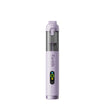






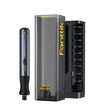
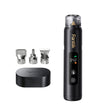
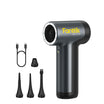
If you dust your keyboard, PC tower, or car interior every few weeks, a rechargeable electric air duster is a practical replacement for canned air because it never runs empty and lets you control the airflow. If you only need to blow dust out once in a while, a can of compressed air is still the simpler choice because it works the moment you pick it up, with no charging step. Neither tool finishes the job when dust needs to be collected instead of just moved, so a vacuum or another pickup method still has its place.
Electric Duster or Canned Air: Which Fits Routine Dusting?
The right pick depends on how often you dust and whether you need to move dust or capture it. A rechargeable electric duster suits a recurring routine, since you charge it once and reuse it for months of keyboard, tower, and trim cleanups. Canned air suits an occasional, one-off job where reaching for a ready-to-use can beats plugging in a tool you rarely touch.
Both options share one limit: they move dust, they don't pick it up. If the job ends with dust still needing to be removed from a surface, drawer, or car footwell, you'll need a vacuum or a wipe-down step after the air does its work.
What Changes in Performance and Ownership?
The clearest differences between the two are ownership pattern and output control, not head-to-head power. Airflow, static behavior, and noise levels vary by model on both sides, so treat any single advertised number as one spec rather than a category-wide performance claim.
| Decision factor | Electric duster | Canned air |
|---|---|---|
| Repeat use | Reusable, no recurring purchase | Consumed per can, needs replacement |
| Charging/readiness | Needs charging between uses | Ready immediately, no charging |
| Output control | Adjustable on many models | Fixed spray, tilt-sensitive |
| Dust displacement | Moves loose dust from reach | Moves loose dust from reach |
| Maintenance | Model-specific care and storage limits | Minimal, but can empties over time |
| Airflow, pressure, noise, static, cost break-even | Not established across models | Not established across models |
Ownership is the split that actually changes a purchase decision: a rechargeable tool removes recurring can purchases, while a can removes the need to keep anything charged. Output control matters most on keyboards, where a lower, adjustable setting reduces the chance of driving debris deeper between keys, but that's a feature of a specific model rather than proof that every electric duster outperforms every can.
Is an Electric Duster Right for Keyboards?
For loose crumbs and dust between keys, an electric duster can replace canned air when you value reuse and want to control the output instead of relying on a can's fixed spray. It works the same basic way canned air does: air loosens debris that you then need to remove.

The result depends on directing air so debris comes out rather than getting pushed deeper into the switches. Neither tool solves sticky residue or spilled liquid, since air only moves loose material. Whichever option you pick, plan to tilt the keyboard and shake or wipe away what the airflow dislodges.
Can It Clean a PC Tower?
An electric duster can move loose dust out of accessible case areas, vents, and crevices just as canned air does, making either a reasonable choice for routine tower dusting. The task is displacement, not collection, so the dust has to go somewhere useful.
Blowing dust out of a case is the first step, not the last one. Once dust is loosened and pushed out, it settles nearby and still needs to be wiped up or vacuumed from the desk or floor. Neither tool's spec sheet establishes a universal claim about static behavior or component safety inside a specific tower, so stick to accessible, open areas rather than treating either option as a full internal cleaning method.
Is It Suitable for Auto Trim?
Both options can help with loose, dry dust sitting in seams, vents, and accessible trim surfaces, but that's the limit of what's supported here. Neither an electric duster nor canned air has established safety across every trim material, coating, or soft-touch finish.
Bonded grime, sticky residue, or anything adhered to a surface is a different cleaning problem that air alone won't solve. If your trim has a delicate coating or you're unsure how it reacts to airflow up close, that's a case for checking material-specific care guidance before using either tool, not a routine dusting task.
When Do You Need a Vacuum Instead?
An air duster is not a substitute for a vacuum whenever the job requires picking dust up rather than just moving it. Air loosens or relocates dust from gaps, keys, and seams; a vacuum or another collection method is what actually removes it from the room, case, or vehicle.
This distinction matters most in a car interior, where an air blower vs vacuum approach helps because a blower only loosens dirt while a vacuum captures it, meaning clearing vents and seams fully usually takes both steps in the right order. The same logic applies to a desk or a PC case: blow first to loosen debris from tight spots, then vacuum or wipe to finish the job.
How to Use and Maintain Either Option
Whichever tool you choose, power down first, loosen debris deliberately, then remove what comes loose. For a computer or wired keyboard, clean computer equipment safely by powering off and unplugging before blowing, since cleaning a powered or connected device adds unnecessary risk for no cleaning benefit.
- Shut down the computer, and unplug a wired keyboard before you start.
- Direct airflow so loosened dust moves away from sensitive areas instead of deeper into gaps.
- Remove or wipe away the debris the air dislodges, then follow your specific duster's or can's documented charging, storage, and handling limits.
Charging behavior, heat limits, and storage rules vary by electric duster model, and handling directions vary by canned-air product. Use the instructions for the exact tool you own rather than assuming every model in its category behaves the same way.

FAQs
Are electric air dusters quieter than canned air?
There's no reliable evidence establishing a universal noise advantage for either option. Noise depends on the specific model and its motor or valve design, so check a documented rating for the exact product you're considering instead of assuming electric power means quieter operation.
Does a higher advertised wind speed mean better dusting?
Not by itself. A headline wind-speed number is one spec for a single model, not proof of surface-level airflow, pressure, or actual cleaning outcome. Treat it as one input to compare within a model lineup, not a category-wide performance guarantee.
Can I use an air duster on soft-touch or coated auto trim?
The evidence available doesn't establish universal safety for soft-touch, coated, or otherwise delicate trim. The supported use case stays limited to loose, dry dust on accessible surfaces; for anything with a sensitive finish, check material-specific care guidance before using air on it.
Frequent Use or Occasional Use: Which Ownership Model Fits?
Frequent routine dusting is the clearest case for a rechargeable electric duster, since reuse and readiness across many sessions outweigh the inconvenience of keeping it charged. Occasional dusting can still favor canned air, since it needs no charging step and works the moment you grab it. Either way, if the job requires collecting dust rather than moving it, add a vacuum or another pickup method regardless of which air tool you choose.
Continue reading
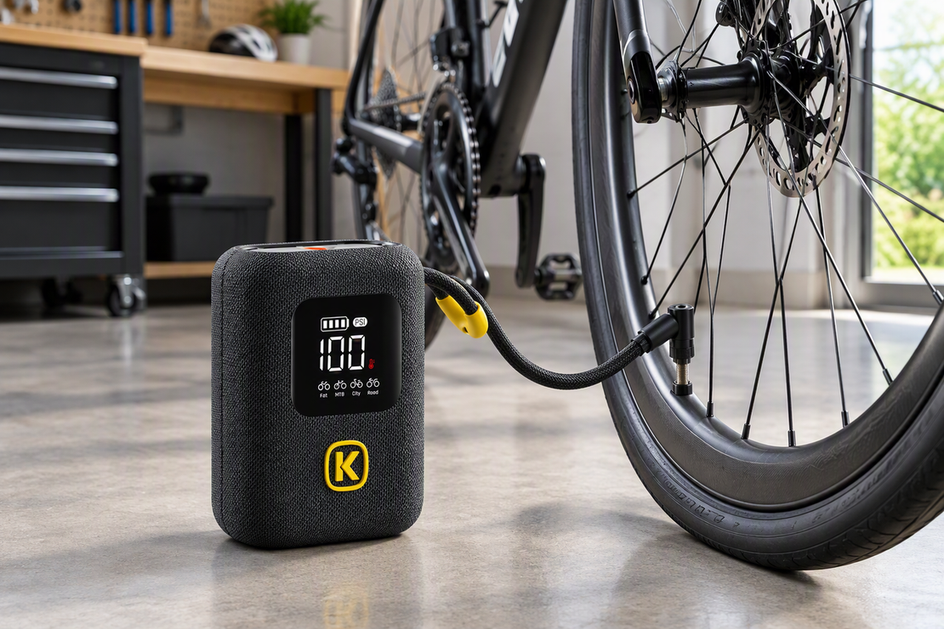 How to Inflate a Road Bike Tire with a Portable Pump
Follow step-by-step instructions to inflate your road bike tire with a portable pump, verify when 100 PSI fits...
How to Choose an Electric Screwdriver for PC Building
A practical buying guide to evaluating low micro-torque control, bit set coverage, and pen ergonomics for assembling desktop...
How to Inflate a Road Bike Tire with a Portable Pump
Follow step-by-step instructions to inflate your road bike tire with a portable pump, verify when 100 PSI fits...
How to Choose an Electric Screwdriver for PC Building
A practical buying guide to evaluating low micro-torque control, bit set coverage, and pen ergonomics for assembling desktop...

Leave a comment
This site is protected by hCaptcha and the hCaptcha Privacy Policy and Terms of Service apply.