









































Getting sand out of car trunk carpet comes down to a dry, three-step routine: clear loose sand first, loosen embedded grains carefully, then vacuum in slow, overlapping passes with a crevice tool for the seams and edges. This works whether you have a removable trunk liner or fixed carpet, though a liner is easier to clean because you can take it away from the vehicle before you start. Skip the vacuum step on any area that is still damp and let it dry first.
How to Get Sand Out of Car Trunk Carpet
Work through these steps in order. Doing them out of sequence tends to push sand deeper into the fibers or scatter it onto seats and the cabin floor instead of collecting it.
- Clear the trunk. Remove cargo, mats, and any loose items so you can see and reach every section of carpet, including corners hidden behind wheel wells or trim panels.
- Take out the liner if it's removable. Carry it away from the car before you shake or tap it, so loose sand falls on the ground instead of back into the trunk.
- Loosen embedded grains. On carpet fibers that tolerate light brushing, work a soft brush across the surface to lift grit that's settled below the visible layer. Avoid grinding or pressing hard, which can drive sand deeper instead of freeing it.
- Vacuum in sections, close to the surface. Move slowly rather than sweeping quickly across the whole floor. A slower pass gives the vacuum time to actually pull embedded grains out of the weave instead of skimming over them.
- Run a second, targeted pass over seams, corners, and trim edges. These spots trap sand that a broad first pass misses, so a crevice attachment matters more here than raw suction.
- Inspect before you stop. Check the liner's underside, folds, and attachment points, plus any exposed carpet edges, for grit that's still visible or gritty to the touch.
Keep the whole process dry. If you find damp patches partway through, stop vacuuming that spot and let it air out before continuing, since this method is not built around wet material.
Which Vacuum Attachments Work Best for Trunk Sand?
The right attachment depends on where the sand is sitting, not just how strong the vacuum's suction rating is. A crevice nozzle handles seams and trim gaps, while a brush attachment is better for lifting grains out of open carpet fibers.
- Crevice nozzle: best for narrow gaps along trim, seat tracks, and the edges where the trunk floor meets the wheel wells.
- Brush attachment: useful for open carpet sections where sand is spread across the fibers; use light pressure rather than aggressive scrubbing to avoid working grit deeper into the weave.
- Filtration and dust capacity: sand loads a small dust cup quickly, so a filter that traps fine particles without clogging matters as much as the nozzle you choose.
- Runtime as a planning factor: battery life tells you how long you can work before recharging, not how clean the result will be, since that also depends on technique and attachment choice.
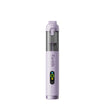
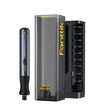
For a compact cordless option, our Fanttik V8 APEX car vacuum comes with a crevice nozzle, flexible hose, and brush attachments in one kit, which covers the seam-and-fiber combination a sandy trunk usually needs. Its documented suction and runtime specs list a maximum of 45 AW/19 kPa suction, a 40-minute Eco mode, a 13-minute Max mode, and a HEPA filter rated to capture 95.99% of dust and particles. Those are manufacturer-stated specifications, not a promise that any single pass will lift every grain from your specific carpet.

What Changes for Removable Liners, Fixed Carpet, and Wet Sand?
The core method stays dry-first, then vacuum, but where and how carefully you work shifts with the surface. Removable liners give you more room to shake sand loose before vacuuming, fixed carpet needs more careful brushing in place, and wet sand needs a different starting point entirely.
If the Trunk Liner Comes Out
Take the liner outside or away from the vehicle before you dislodge any loose sand, so it doesn't just fall back into the trunk. Shake or tap it first, then vacuum the main surface along with the underside, folds, and attachment points where sand tends to collect and hide.
If the Carpet Is Fixed or the Sand Is Ground In
Keep the carpet supported and use light, controlled brushing only on fibers that tolerate it, working in small sections rather than the whole floor at once. Follow with slow crevice-tool passes along seams, corners, and trim edges, then inspect before deciding whether a section needs a repeat pass.
If the Sand Is Wet
Don't apply this dry-vacuum sequence to damp sand or a damp carpet section by default. Let the area air-dry, and only move to a different cleaning method once you've checked that your specific vacuum and the trunk material actually support it.
How to Finish and Maintain the Vacuum After Sand Removal
Once the visible sand is gone, the last steps protect both the vacuum and the trunk. Sand is abrasive and fills a small dust cup faster than everyday debris, so don't wait for a full bin before checking it.
- Empty the dust cup after the loose-sand stage, and again after the targeted seam-and-edge pass, rather than running until it's completely full.
- Handle the filter according to your exact vacuum's instructions. Not every filter is washable or interchangeable across models, so check your unit's documentation before rinsing or replacing it.
- Inspect the trunk floor, liner underside, and cargo recesses from a couple of angles before you put the liner back, and only reinstall it once the area is fully dry.
If you're cleaning more than just the trunk, a guide on vacuuming your car interior covers where the trunk fits into a full vehicle pass.

FAQs
Can I Use Compressed Air Instead of a Vacuum for Trunk Sand?
Compressed air is a different tool category, not a drop-in replacement for vacuuming sand. Blowing air at loose grit can push it into seams, under trim, or toward the cabin instead of collecting it, so it's not a reliable default method unless your specific setup is designed to contain the debris while you use it.
What Should I Do If the Sand Is Wet?
Pause the dry-vacuum process and let the sand and carpet air-dry before you continue. Resume vacuuming only once you've confirmed your vacuum and the trunk material can handle the method you plan to use next, since wet debris behaves differently than loose, dry grains.
How Often Should I Empty the Dust Cup During Sand Cleanup?
Check it after the initial loose-sand pass and again before you start the targeted pass over seams and edges, since sand fills a compact dust cup faster than typical household dust. Follow your vacuum's own capacity guidance rather than assuming runtime or suction stays the same once the cup is partly full.
Leave a comment
This site is protected by hCaptcha and the hCaptcha Privacy Policy and Terms of Service apply.