







































New tires losing pressure after mounting usually means one of two things: a leak somewhere in the wheel-tire assembly, or a temperature swing that only looks like one. A one-time pressure dip after a cold morning can be the second case. Compare readings taken after the tire sits unused for at least three hours against the number on your vehicle's tire and loading label, not the maximum pressure printed on the tire's sidewall.
If the same tire keeps missing that placard number on repeated cold checks, start with an external leak check, then bring your findings to the installer for inspection.
Why Do New Tires Lose Pressure After Mounting?
The comparison that matters is your vehicle's recommended cold PSI, not the sidewall maximum. The recommended cold PSI only applies once the tire has been sitting unused for at least three hours, since driving heats the air inside and temporarily raises the reading.
Cold weather adds a wrinkle here. A cold-weather TPMS change can trigger the warning light overnight and clear it again once you drive and the tire warms up. That single flicker doesn't confirm a leak on its own. What matters is whether the same tire keeps landing below the placard number on repeated cold checks days apart. If it does, treat it as a leak to locate rather than something to write off after a new installation.
What Usually Causes Pressure Loss After Mounting?
Several distinct points can let air escape after a new tire goes on, and one non-leak explanation can imitate all of them. Match what you observe to the categories below before deciding where to focus.
Bead-Seat or Bead-Seal Leak
A tire that didn't seat evenly on the rim can leak slowly along the bead, the seam where the tire meets the wheel. Mounting guidelines call for a bead and valve leak check right after the bead seats, before the tire leaves the shop. Bubbling, hissing, or sealant residue at the rim edge points here. Ask the shop to inspect and correct the bead seal; this isn't a fix to attempt with a spray bottle at home.

Valve Stem or Valve Core Leak
The valve stem and the removable valve core are two separate leak points. A cracked or aged stem needs replacement, while a loose or worn core can sometimes be tightened or swapped without removing the tire; our guide on a leaking Schrader valve core walks through that check. If air escapes from either spot, tell the installer exactly which one so they can service or replace the right part instead of the whole tire.
Wheel Bead-Seat Damage or Corrosion
A slow leak can also come from the wheel itself, not the tire. Corrosion on the bead seat, the surface where the tire's inner edge presses against the rim, produces a hidden wheel bead-seat leak that stays invisible until the tire is dismounted and the wheel is inspected. If the valve and visible bead edge look fine but pressure keeps dropping, ask the shop to leak-test the wheel itself, not just the tire.
Puncture or Tire Damage
Even a brand-new tire can pick up a puncture or other damage during or shortly after installation. A leaking valve, puncture, or other damage can each cause pressure loss on their own, separate from any installation error. Have the shop assess the tire directly if you find a nail, cut, or embedded object, since the right repair or replacement depends on where the damage sits.
Temperature-Related Apparent Pressure Change
Cold air alone can make a tire look like it's leaking when it isn't. Air contracts as temperature drops, so a tire correctly inflated in a warm shop can read several PSI lower on a cold morning without losing any actual air. The distinction that matters is repetition: a one-time dip after a temperature swing is different from the same tire consistently falling short of placard PSI on comparable cold checks days apart.
How to Check for a Leak Without Dismounting
You can narrow down a suspected leak yourself before returning to the shop, using a gauge, your eyes, and a basic leak-detection solution. The goal is to produce clear evidence, not to fix anything under pressure.

- Measure cold, compare to the placard. Wait until the tire has been unused for at least three hours, then check the PSI against the number on the door-edge label.
- Record and repeat. Write down the reading, the date, and the outdoor temperature, then recheck under similarly cold conditions a day or two later to see if the drop repeats.
- Inspect the valve area. Look and listen for hissing at the valve stem base and where the core threads into the stem.
- Inspect the bead edge. Scan the rim-to-tire seam all the way around for bubbling, soapy film, or a visible gap.
- Check the tread and sidewall. Look for punctures, cuts, or embedded objects, and note the exact location if you find one.
- Apply an external leak-detection solution and document what you find. A soap-and-water mix brushed over the valve and bead can reveal a slow leak as small bubbles; no bubbles doesn't rule out a hidden wheel-side leak. Photograph any leak location and save your PSI log for the installer.
When to Return to the Tire Shop
Match your action to what you found: a stable, one-time temperature dip just needs a recheck, but a repeated or confirmed leak needs the installer's attention. Visible damage or a tire that won't hold pressure at all is a stop-driving situation.
Return Promptly for a Confirmed or Repeated Leak
If your external check turned up bubbling at the valve or bead, or the same tire keeps missing placard PSI on repeated cold readings, contact the installer promptly instead of continuing to top it off. One tire maintenance manual lists a 2 PSI per month trigger for scheduling inspection, though a tire that starts leaking within days of mounting doesn't need to wait a month to qualify for a look.
Ask for the Specific Inspection or Correction
Bring your documented leak location so the request is specific instead of open-ended. Valve-area evidence calls for valve stem or core service; bead-edge evidence calls for a bead inspection and reseal; and a clean-looking exterior with continued loss calls for a professional leak test and a wheel bead-seat check, since that source often isn't visible until the wheel is dismounted.
Stop Driving When the Tire Is Unsafe
Stop driving and arrange inspection right away if the tire is visibly damaged, losing pressure quickly, substantially underinflated, or unable to hold placard PSI at all. Mounting, demounting, and bead correction are jobs for qualified tire service professionals, since improper tools or technique during remounting can cause a tire to fail explosively. Don't attempt to reseat or remount the bead yourself, even temporarily.
FAQs
Can TPMS tell me where the tire is leaking?
No. TPMS only reports that pressure is low, not why. A dashboard warning after new tire installation is the signal to grab a gauge and start the visual and bead/valve checks described above, not proof of a specific fault location.
What does losing more than 2 PSI per month mean?
That figure comes from one tire maintenance manual's inspection trigger, not a universal pass/fail rule for every tire. A newly mounted tire that loses noticeable pressure within days, well before a month passes, still warrants a call to the installer rather than waiting to hit that monthly threshold.
Can I keep topping off a new tire instead of returning to the shop?
Topping off can mask a leak temporarily, but it doesn't fix whatever is letting air out. If the tire is substantially underinflated, losing pressure quickly, or visibly damaged, stop driving and get it inspected instead of relying on repeated refills.
Continue reading
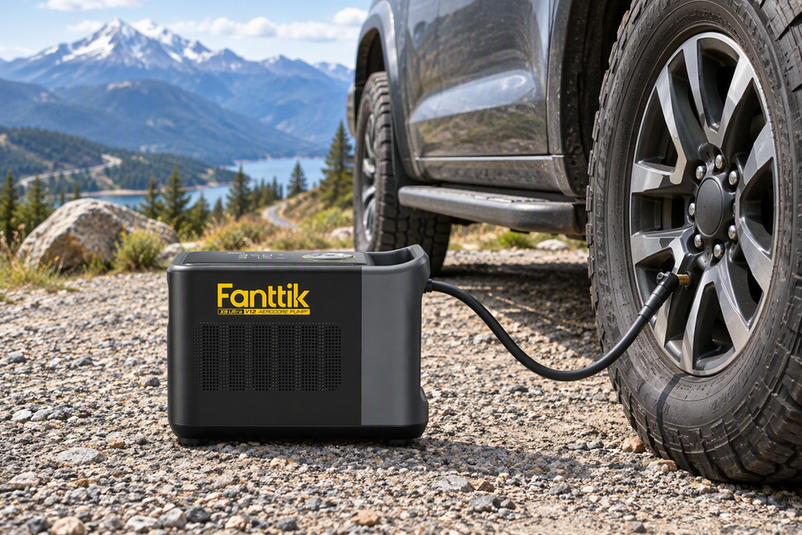 Can High Altitude Trigger a TPMS Light? What to Check in Mountain Driving
A TPMS warning during a mountain drive can relate to elevation, cold air, or tire heat. Here's how...
Can High Altitude Trigger a TPMS Light? What to Check in Mountain Driving
A TPMS warning during a mountain drive can relate to elevation, cold air, or tire heat. Here's how...
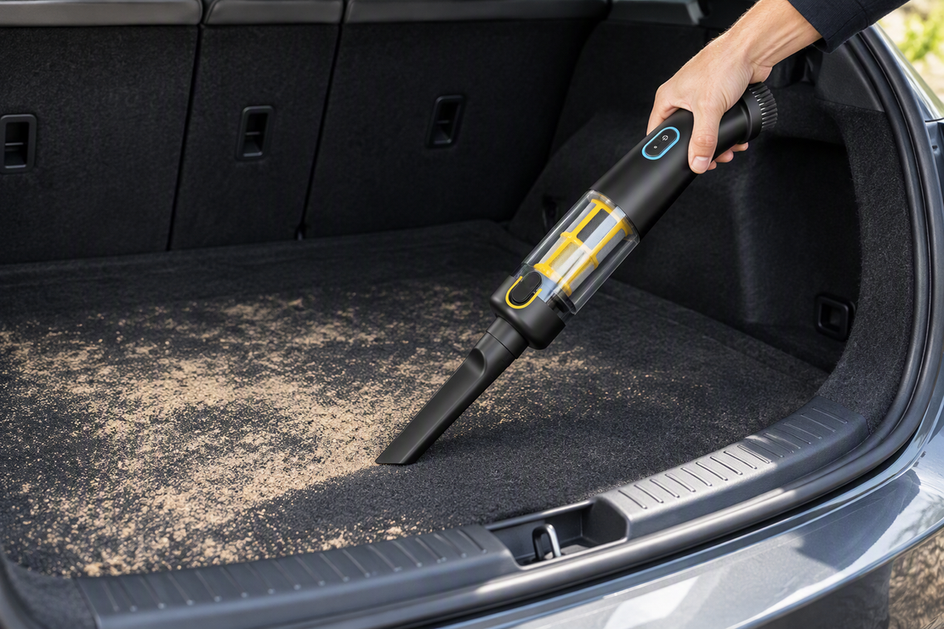 How to Get Sand Out of Car Trunk Carpet: A Practical Cleaning Method
A step-by-step dry cleaning routine helps you clear loose and embedded beach sand from trunk carpet, liners, seams,...
How to Get Sand Out of Car Trunk Carpet: A Practical Cleaning Method
A step-by-step dry cleaning routine helps you clear loose and embedded beach sand from trunk carpet, liners, seams,...


Leave a comment
This site is protected by hCaptcha and the hCaptcha Privacy Policy and Terms of Service apply.