
























If several tires on your vehicle show a similar pressure drop after a cold snap, temperature is a plausible explanation. If one tire keeps dropping while the others hold steady, treat that tire as a likely leak and work through the checks below instead of assuming the cold is the cause.
A single low reading cannot tell you which explanation is correct. The pattern across your tires, plus a repeat reading under comparable cold conditions, does the actual work of separating a temperature effect from a true slow leak.
How to Tell a Cold-Weather Pressure Drop From a Slow Leak
Compare your reading to the vehicle's specified cold pressure, not the number stamped on the tire's sidewall. The sidewall figure is the tire's maximum pressure rating, not the recommended cold tire pressure your vehicle actually needs; that target is on the driver-door placard or in the owner's manual.
For a fair comparison, check pressure when the tire is cold, meaning the vehicle has been parked for at least three hours or driven less than a mile. Check all four tires at the same time. If they all read a few PSI lower than usual after a temperature swing, that pattern points toward weather rather than a leak. If one tire is consistently lower than the others under the same cold conditions, treat it as a leak candidate.

A tire pressure monitoring system (TPMS) warning changes the urgency but not the diagnosis. The light means at least one tire is significantly underinflated and that you should check pressure and inspect the tires soon, but it does not tell you whether temperature or a puncture caused the drop. A warning that clears after you drive or after the weather warms up does not prove the tire is leak-free; it may just mean the pressure climbed back above the trigger point. For year-round context on how outdoor temperature shifts affect your baseline readings, our seasonal tire pressure guide walks through how much of a swing to expect across the seasons.
Five Ways to Find a Slow Tire Leak
These five checks move from the easiest to the most specific, and each one either clears the tire, points you to a likely leak location, or tells you to escalate to a shop.
- Record and compare cold PSI. Write down each tire's cold reading, the date, and the vehicle's specified pressure. This baseline is what you'll compare against on the retest, and it's also what separates "this tire runs a little low" from "this tire keeps losing air."
- Inspect for visible damage. Walk the tread, sidewall, and shoulder looking for a lodged nail or screw, a cut, a crack, a bulge, or an area of uneven wear. Any of these findings is a reason to stop routine top-offs and get the tire looked at rather than keep monitoring it.
- Apply soapy water around suspected areas. Spray or brush a soapy-water mix over the tread, sidewall, and any spot you suspect, then watch for bubbles that keep forming rather than a single burst. Growing bubbles mean air is escaping right there. No bubbles doesn't clear the tire, since a very slow leak can be too small for this test to catch.
- Check the valve core and stem. Apply soapy water at the valve stem and watch for bubbles, and look for wetness, cracking, or a white, powdery buildup around the stem, which can point to corrosion that is breaking the seal. Don't remove or disassemble the valve core or any TPMS sensor hardware yourself; if you see oxidation buildup at the stem, that's a job for a tire shop.
- Inspect the rim and bead area. Look closely where the tire meets the wheel for corrosion, flaking, pitting, or any sign the bead isn't sealing evenly against the rim. This area is hard to judge from the outside, so if you notice anything unusual here, send the wheel and tire to a shop rather than guessing at severity.
When Is Topping Off Temporary, and When Do You Need a Tire Shop?
A single retest turns your five checks into a decision. Compare the next cold reading to your recorded baseline, then match what you found to one of three actions: continue monitoring, arrange inspection, or stop driving on that tire.
What the Repeat Reading Tells You
Use the same gauge and the vehicle's specified cold PSI for the retest, and compare cold reading to cold reading rather than a warm reading to a cold one. If the tire holds steady at the target pressure with no visible damage, the earlier drop was more likely weather-related. If it drops again under the same comparable conditions, that repeated isolated loss strengthens the case for a leak, even though it still doesn't tell you whether the tire can be repaired.
Why a Portable Inflator Is Only a Temporary Measure
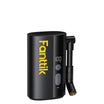
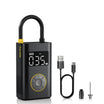
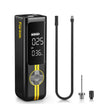
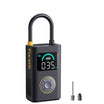
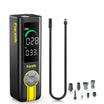
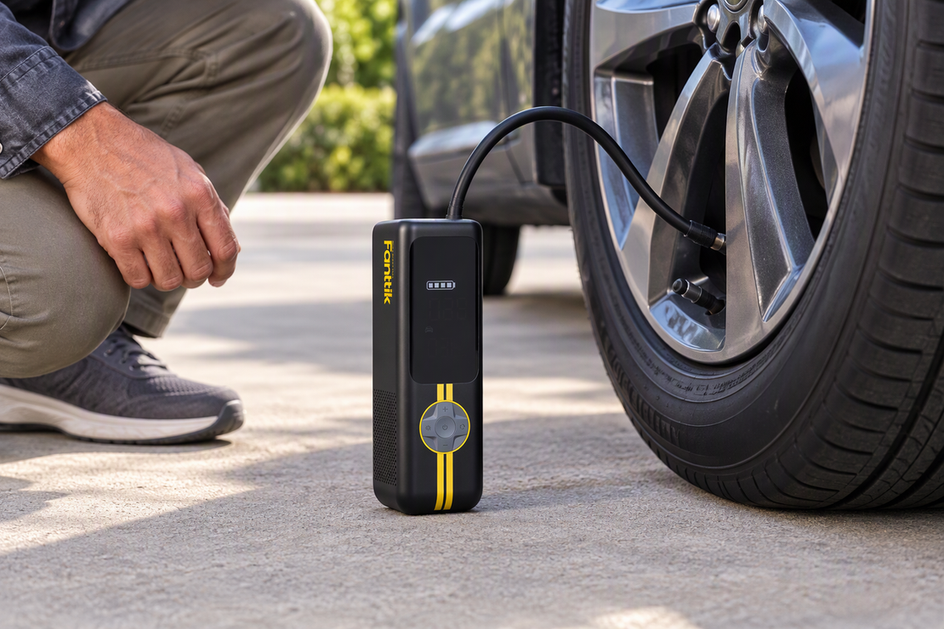
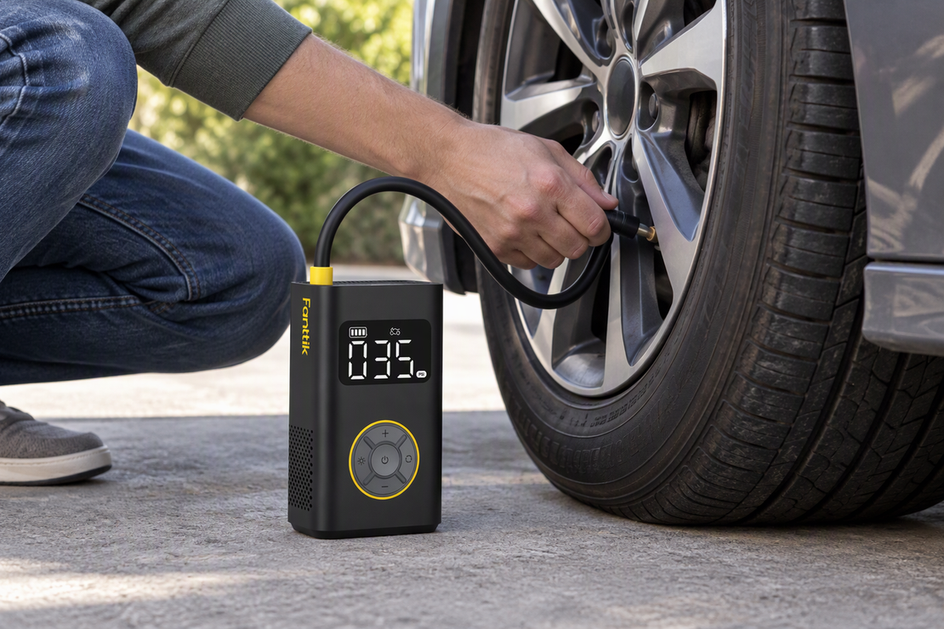
Adding air with a portable tire inflator brings the tire back to the specified pressure, but it does nothing to the puncture, valve seal, or bead corrosion that caused the drop in the first place. A high maximum-PSI rating on the tool has no bearing on whether it can find or fix a leak; that's not what the rating measures. If a tire needs repeated top-offs to hold pressure, treat that as a sign to get it inspected rather than a routine you settle into.
When to Leave the Tire Parked
Some findings change the plan from "top off and go" to "don't drive on it." A visible cut, crack, bulge, or a tire that keeps failing to hold the specified pressure calls for a tire-service professional rather than another top-off, and rapid air loss or severe underinflation is a reason to call for roadside assistance instead of driving to the shop yourself. Once the tire reaches a shop, a technician removes it from the wheel to inspect the injury before deciding on repair. Industry guidance limits an acceptable tread repair to punctures no larger than about a quarter inch, sealed with both a plug and an inner patch, since a plug alone is an inadequate repair. That inspection, not your home checks, is what determines whether the tire can be fixed or needs to be replaced.

FAQs
Can every slow tire leak be patched?
No. Whether a leak can be patched depends on where the injury is, how large it is, and the tire's overall condition, and only a shop can make that call after removing the tire from the wheel to inspect it from the inside. A puncture confined to the tread area and within an acceptable size range is often repairable with a proper plug-and-patch combination, but sidewall damage, oversized punctures, or internal wear typically are not. Don't assume that a visible puncture or a successful top-off means the tire is fine; if it's losing pressure, get it inspected before you rely on it for regular driving.
Does cold weather ever cause only one tire to lose pressure?
Cold weather lowers the air pressure in all tires simultaneously because gas contracts uniformly in lower temperatures. If only one tire shows a significant or recurring drop while the other three hold pressure, ambient temperature alone does not explain the difference. Treat that isolated tire as having a mechanical issue such as a small tread puncture, leaking valve stem, or bead seal corrosion until inspected.
Can driving on an underinflated tire make a slow leak worse?
Yes. Operating a tire below its recommended cold pressure generates excessive internal heat and places abnormal stress on the sidewall and internal casing. Over time, that flexing can damage the inner liner, loosen an existing embedded object, or make an otherwise repairable small puncture completely unrepairable. If cold pressure drops significantly, reinflate to the vehicle placard specification before driving and arrange an inspection promptly.
Continue reading
 Can a Handheld Car Vacuum Cleaner Drain Your 12V Car Auxiliary Outlet?
Compare a 120W car vacuum current draw with vehicle fuse limits and battery reserve capacity to prevent unexpected...
Can a Handheld Car Vacuum Cleaner Drain Your 12V Car Auxiliary Outlet?
Compare a 120W car vacuum current draw with vehicle fuse limits and battery reserve capacity to prevent unexpected...
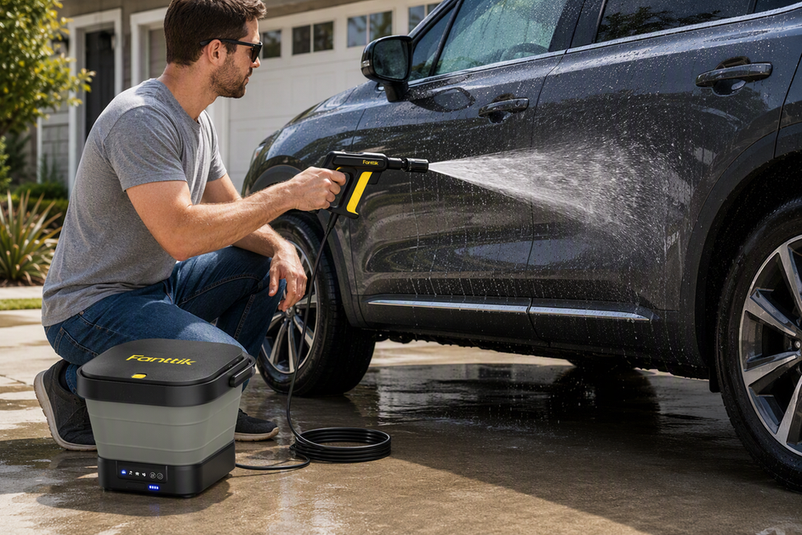 Cordless vs Gas Pressure Washers for Washing Cars: Safe PSI and GPM Ratings
A practical guide detailing safe PSI and GPM planning thresholds, nozzle angles, and power choices to protect clearcoat...
Cordless vs Gas Pressure Washers for Washing Cars: Safe PSI and GPM Ratings
A practical guide detailing safe PSI and GPM planning thresholds, nozzle angles, and power choices to protect clearcoat...

Leave a comment
This site is protected by hCaptcha and the hCaptcha Privacy Policy and Terms of Service apply.